The placement of a bed is one of the most discussed topics in both traditional spatial design and modern home arrangement. A recurring principle advises against positioning a bed directly opposite the door. This guideline, often encountered in discussions of bedroom layout, transcends mere superstition. It is rooted in a sophisticated understanding of environmental energy, psychological comfort, and the fundamental human need for security and rest. This article explores the multidimensional reasons behind this ancient yet persistently relevant rule, examining its foundations in classical theory and its resonance with contemporary environmental psychology.
Core Concept
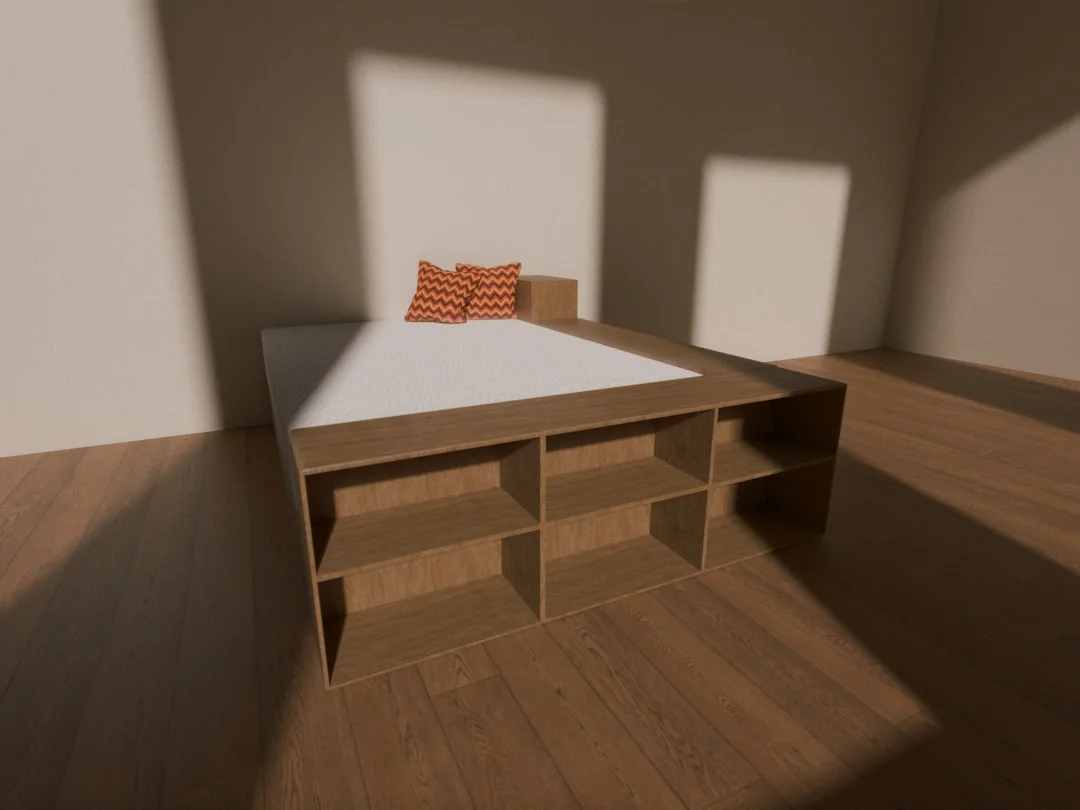
At its heart, the advice against a bed facing the door addresses the flow of energy and the subconscious perception of safety within a private space. The bedroom is a sanctuary for restoration, a place where the body and mind must transition from active wakefulness to vulnerable sleep. The door represents the primary channel for movement, air, sound, and energy entering the room. When a bed is aligned directly with the door, it becomes the terminal point for all energy entering the chamber. This creates a dynamic where the sleeper is in the direct path of this incoming flow, which can be experienced as unsettling or overstimulating. Imagine a room where the first and most prominent feature visible from the entrance is the bed and its occupant; this layout lacks a protective buffer. In practical terms, this arrangement can make a person feel exposed, as if they are on display or in a position where they cannot easily see who is entering. The constant subtle awareness of the doorway can inhibit the deep relaxation necessary for quality sleep, as the mind remains in a state of low-grade alertness.
Traditional Feng Shui Perspective
From the classical Feng Shui viewpoint, this arrangement is often referred to as the "coffin position," a stark term highlighting its inauspicious nature. This symbolism arises from the historical practice of carrying the deceased feet-first out of a room, often through a door. While the literal association is morbid, the deeper principle concerns the improper management of Qi, or vital life force. Feng Shui emphasizes the harmonious meandering of Qi. It should enter a space gently, circulate, and collect in nourishing areas, not rush in a straight line to a single point. A bed facing the door places the occupant in the path of "rushing Qi" or "cutting Qi," which is considered chaotic and draining. This direct line creates a metaphorical arrow of energy that destabilizes the calm, Yin energy required for sleep. The bedroom should be a Yin-dominant space—receptive, quiet, and dark—to counterbalance the Yang-dominant activities of the day. A direct alignment with the active, Yang doorway disrupts this essential balance. The Five Elements theory further refines this analysis. The door, as a moving, wooden structure, embodies the Wood element, which is associated with growth, movement, and activity. The bed, a place of rest and metal (from frames and springs), connects to the Metal element, which is about contraction, stillness, and introspection. In the controlling cycle of the elements, Wood overcomes Metal. A bed facing the door symbolically places Metal (rest) in a subjugated position to Wood (activity), creating an environment where activity inhibits rest. The ideal is to position the bed so that the supportive Earth element (through stability and grounding) or the nurturing Water element (through calmness) can mediate this interaction.
Modern Interpretation
Contemporary environmental psychology and design principles arrive at remarkably similar conclusions without invoking ancient terminology. The focus shifts to subconscious perception, privacy, and the impact of spatial layout on autonomic nervous system states. Psychologically, the bed-facing-door scenario violates a key principle of prospect and refuge. Humans have an innate preference for environments where they have a clear view of their surroundings (prospect) while feeling protected and unseen (refuge). A bed placed opposite the door offers too much prospect with insufficient refuge. The sleeper has a direct view of the door, but is also directly visible and lacks a sense of being tucked away or shielded. This can trigger a subtle, persistent stress response, hindering the transition into the parasympathetic "rest and digest" state. Furthermore, this layout impacts practical comfort. Light from hallways, noise from other parts of the home, and drafts are channeled directly toward the sleeper. The constant visual reminder of the door can make it harder to mentally disconnect from household activities or responsibilities. In shared living situations, this lack of a visual and energetic buffer can reduce the feeling of having a true private retreat. Modern interpretations focus on creating a "command position" for the bed, where the door is visible but not directly in line, allowing the occupant to feel secure and in control of their space without being in its primary traffic flow.
Insights
- Positioning your bed diagonally from the door or against a solid wall allows you to see the entrance while creating a protective corner that enhances subconscious security and improves sleep quality.
- The energy entering your bedroom should circulate gently around the space rather than shoot directly toward your bed, which can be achieved by placing a small piece of furniture or a rug to interrupt the direct path.
- A solid headboard provides essential psychological and physical support, acting as a symbolic mountain behind you and preventing energy drain from the space behind the bed.
- If your bed must face the door, mitigate the direct flow by placing a soft, visually grounding object, like a bench or a low chest, at the foot of the bed to act as a buffer.
- The modern principle of the "command position" aligns with ancient wisdom by advising that you place your bed so you have a clear but indirect view of the door from a position of strength and stability.
Conclusion
The guidance to avoid placing a bed directly opposite the door is a profound intersection of ancient environmental wisdom and modern psychological understanding. It is not a rule of fate but a principle of optimal environmental design. From the Feng Shui perspective, it protects the sleeper from chaotic Qi and preserves the vital Yin-Yang balance necessary for restoration. From a contemporary standpoint, it addresses fundamental human needs for security, privacy, and psychological comfort. By arranging the bedroom to provide a sense of refuge and command, we create a space that actively supports deep rest, reduces subconscious stress, and fosters a true sanctuary for personal renewal. Ultimately, this principle reminds us that our environments are not passive backgrounds but active participants in our well-being.