Nightmares are unsettling experiences that can disrupt sleep and impact well-being. While their origins are complex, the environment in which we sleep plays a significant role in our subconscious state. Feng Shui, the ancient art of placement and environmental harmony, offers a unique lens through which to examine our bedrooms. It posits that the arrangement and quality of our surroundings directly influence the flow of vital energy, or Qi, which in turn affects our mental and physical rest. This article explores how applying Feng Shui principles can create a sanctuary of calm, potentially mitigating the conditions that foster distressing dreams by fostering a profound sense of security and balance.
Core Concept
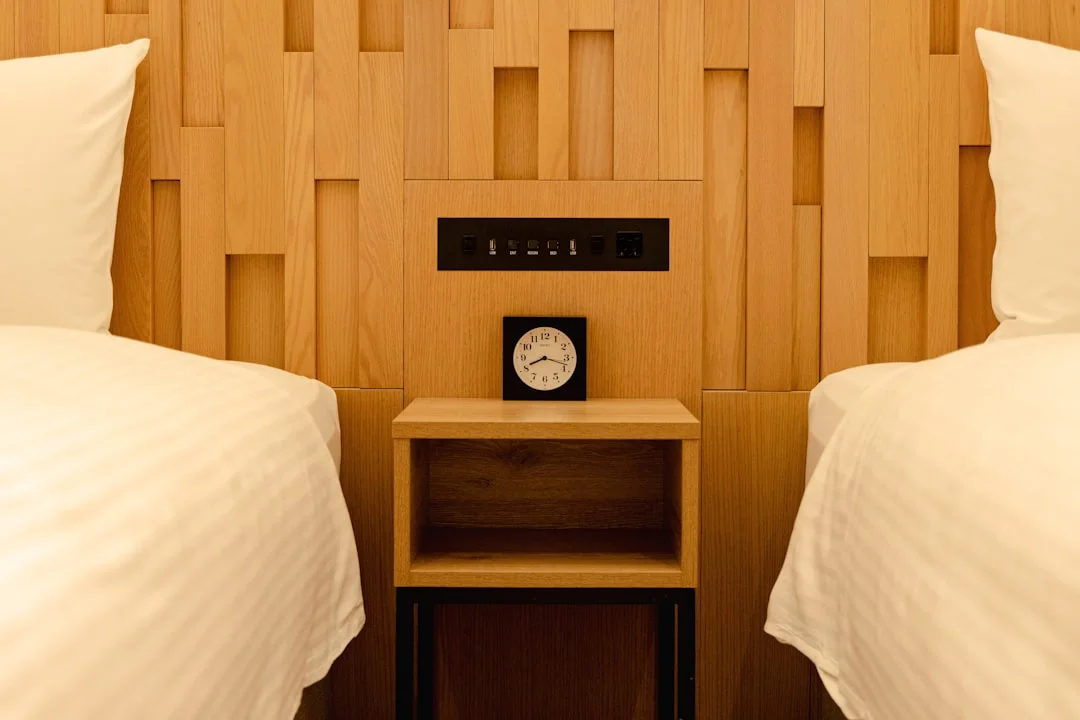
In Feng Shui, the bedroom is considered the most personal and restorative space, a sanctuary for rejuvenation. It represents the intimate self, vulnerability, and deep subconscious processes. The energy, or Qi, here should be gentle, nurturing, and protective to support peaceful sleep and positive dream states. When the bedroom's Qi becomes stagnant, chaotic, or overly aggressive, it can manifest as mental unrest, anxiety, and nightmares. The influence on energy is direct. Objects, colors, shapes, and arrangements either support the smooth, downward-settling flow of Qi needed for sleep or create disruptive patterns. For instance, a cluttered room creates stagnant Qi, which corresponds to a cluttered mind. Sharp angles pointing at the bed generate "cutting Qi," which feels subconsciously threatening. The goal is to cultivate an environment where energy can pool calmly around the sleeper, like still water, promoting a sense of safety. Real-life examples of problematic environments include a bed directly in line with the door, which places the sleeper in a position of subconscious alertness. A bedroom with a busy, stimulating color scheme or artwork depicting violent or turbulent scenes injects overly active Yang energy into a space that requires Yin calm. A workspace or exercise equipment in the bedroom introduces the Qi of stress and activity, conflicting with the room's primary purpose.
Traditional Feng Shui Perspective
From a classical standpoint, nightmares are often seen as a symptom of significant imbalance, particularly an excess of Yang or hostile energy in a Yin space. The bedroom must emphasize Yin qualities—darkness, quiet, softness, and receptivity—to counter the active Yang of daytime. The Five Elements theory provides a diagnostic framework. An excess of the Fire element, through bright red colors, excessive lighting, or electronic devices, can over-stimulate the mind. A lack of the grounding Earth element, represented by soft yellows or neutrals and square shapes, can create instability. The Water element, associated with the subconscious and depth, must be balanced; too much or unclean Water energy, perhaps from an en-suite bathroom with an open door, can lead to emotional overwhelm and fearful dreams. Qi flow and spatial harmony are paramount. The bed's position is the most critical factor. It should be in a "command position"—diagonally opposite the door, without being directly in line with it, and with a solid wall behind for support. This allows the sleeper to see the door while feeling securely backed, reducing primal anxiety. Doors and windows should align to prevent Qi from rushing straight through the room, which destabilizes the energy field. Sharp corners from walls or furniture, known as "secret arrows," should not point toward the bed, as they direct slicing energy at the sleeper. Symbolism also plays a powerful role. The bed itself symbolizes the self at rest. A sturdy headboard represents stable support in life. Images and objects should carry peaceful, positive symbolism. Placing books or artwork under the bed is discouraged, as it symbolically burdens the subconscious with unresolved thoughts or chaotic imagery during sleep.
Modern Interpretation
Modern environmental psychology echoes many Feng Shui principles, framing them in terms of sensory input and cognitive processing. Our brains continuously process our surroundings, even during sleep. A disorganized or threatening environment can trigger low-level stress responses, which may translate into nightmares. The impact of space on mood and behavior is well-documented. Clutter is associated with increased cortisol, the stress hormone. A room that feels unsafe or exposed can prevent the nervous system from fully entering the parasympathetic "rest and digest" state, keeping it in a mild state of vigilance. The colors and light in a room have measurable effects on brainwave activity and melatonin production. Feng Shui adjustments are essentially curating environmental cues to signal "safety" and "rest" to the brain. In practical terms, this means creating a bedroom dedicated primarily to sleep and intimacy. Removing televisions, computers, and exercise gear eliminates the psychological cues for work, stimulation, and stress. Using blackout curtains and minimizing standby lights supports circadian rhythm. Choosing a calming, monochromatic color palette over a high-contrast one reduces visual processing load. Ensuring the bed is comfortable and feels secure—not wobbly or shoved into a corner—addresses a fundamental need for physical security. The modern meaning is about designing a habitat that actively supports neurological and emotional restoration.
Insights
- Position your bed so you can see the door while lying down, as this ancient placement directly addresses subconscious security concerns and reduces nighttime anxiety.
- Remove all electronic devices, especially televisions and phones, from the bedroom to eliminate electromagnetic fields and mental associations with work or agitation.
- Ensure your bedroom is meticulously tidy and clutter-free, particularly under the bed, to prevent stagnant energy from disrupting your mental calm during sleep.
- Inspect your room for any sharp corners from furniture or architectural features pointing toward your bed, and soften them with plants or drapery.
- Choose artwork and decor with serene, positive imagery, avoiding abstract, violent, or lonely themes that might feed into negative subconscious narratives.
Conclusion
Feng Shui does not offer a superstitious guarantee to stop nightmares, but it provides a sophisticated, time-tested framework for optimizing the sleep environment. By addressing the flow of energy, the balance of elements, and the symbolism of space, it seeks to create a holistic sanctuary of calm. The principles align remarkably well with modern understandings of environmental psychology, emphasizing how our surroundings subconsciously influence our mental state. Ultimately, applying these insights encourages the creation of a bedroom that actively promotes psychological safety, physical comfort, and sensory peace. In such a nurtured space, the mind is far more likely to journey into restful, restorative sleep, leaving the turbulence of nightmares behind.