We have all experienced it: walking into a room and feeling an immediate sense of ease, calm, and belonging. This sensation is often visceral and wordless, a gut feeling that the space is "right." While personal taste plays a role, this universal experience points to deeper, underlying principles of environmental design. The immediate comfort we feel is not accidental; it is the result of a harmonious interplay between tangible arrangements and intangible energies. This phenomenon, explored for millennia through the lens of Chinese environmental arts like Feng Shui and now validated by modern environmental psychology, reveals that our surroundings speak a silent language that directly influences our wellbeing.
Core Concept
At the heart of this experience is the concept of harmonious Qi flow. Qi, often translated as vital energy or life force, is the fundamental substance that animates all things, including our living spaces. A room feels comfortable when the Qi within it flows smoothly, neither stagnating in corners nor rushing violently through the area. This flow is influenced by everything in the environment: the arrangement of furniture, the quality of light, the presence of nature, and the balance of colors and shapes. Consider a room with a clear, unobstructed pathway. You can move through it effortlessly, and the air feels fresh. This is a sign of good Qi flow. In contrast, a room cluttered with furniture, where you must navigate obstacles, creates stagnant Qi, leading to feelings of frustration and lethargy. Real-life examples abound: a sunlit reading nook by a window feels inviting because light and air (carriers of Qi) move freely. A well-organized office with a clear desk and a supportive chair promotes focused energy, while a chaotic, dimly lit basement often feels oppressive and draining. The instant comfort we feel is our subconscious registering an environment where Qi is nourishing and unimpeded.
Traditional Feng Shui Perspective
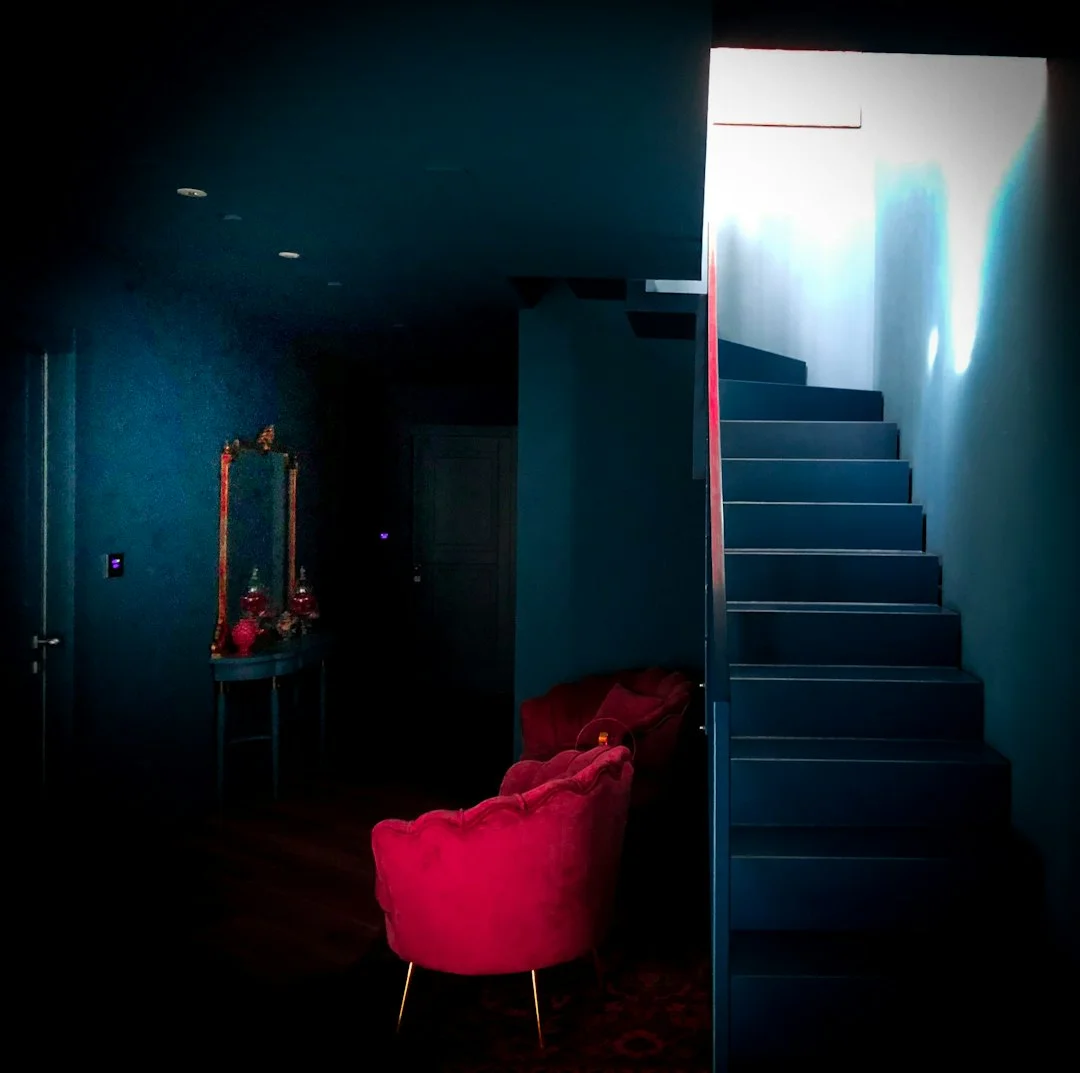
Classical Feng Shui provides a sophisticated framework for analyzing why certain spatial configurations foster comfort. It views a room as a microcosm governed by the dynamic balance of universal principles. The first principle is Yin-Yang balance. Every space requires a harmonious blend of these complementary forces. Yin qualities include darkness, coolness, stillness, and softness (e.g., a plush carpet, a quiet corner). Yang qualities encompass light, warmth, activity, and structure (e.g., bright lighting, angular furniture). A room that is overly Yang—too bright, too loud, too sparse—feels aggressive and exhausting. A room that is overly Yin—too dark, too quiet, too cluttered—feels depressive and stagnant. Instant comfort arises from a skillful balance: a living room with soft lighting (Yin) on a vibrant, social seating arrangement (Yang), or a bedroom that is predominantly restful (Yin) but has a splash of energizing color (Yang). The second framework is the Five Elements theory—Wood, Fire, Earth, Metal, and Water. Each element represents specific shapes, colors, materials, and energies. Comfort is achieved through a generative, nurturing cycle of these elements. For instance, a room with wooden furniture (Wood), a red accent pillow (Fire), a clay pot (Earth), a metal lamp (Metal), and a glass vase (Water) contains a complete, harmonious cycle. An excess or lack of an element creates discomfort. A room with too much Metal (cold, hard surfaces) and Water (black, wavy forms) may feel austere and emotionally cold, lacking the warmth of Fire or the growth of Wood. Finally, Feng Shui emphasizes spatial harmony through the "commanding position." This is the location within a room that is diagonally opposite and farthest from the door, without being in direct line with it. Placing key furniture, like a bed or desk, in this position allows one to see the door without being directly in its path, creating a subconscious sense of security and control. The symbolism of direction also plays a role; for example, positioning a stove (representing nourishment) in the south (associated with Fire) strengthens its symbolic power, enhancing the feeling of a nurturing home.
Modern Interpretation
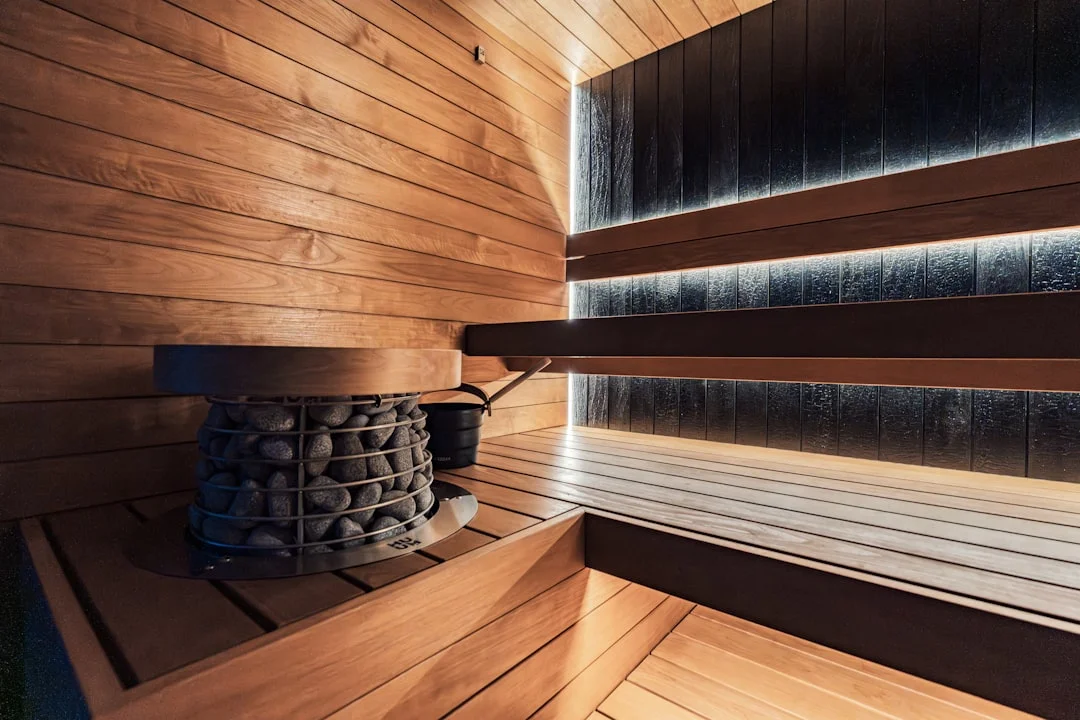
Contemporary environmental psychology and design principles arrive at remarkably similar conclusions, providing a scientific and pragmatic language for these ancient observations. The feeling of instant comfort is understood as our brain's rapid processing of environmental cues that impact our mood, cognitive function, and behavior. From a psychological standpoint, a comfortable room effectively manages key perceptual factors. Prospect and Refuge theory explains our innate preference for spaces where we can see (prospect) without being seen (refuge), mirroring the Feng Shui commanding position. This satisfies a deep-seated need for safety. Furthermore, biophilic design—the incorporation of natural elements—is proven to reduce stress and enhance creativity. A room with plants, natural light, wood, or a view of nature feels comfortable because it connects us to our evolutionary habitat. The impact on daily life is measurable. A room with good natural light regulates circadian rhythms, improving sleep and alertness. A well-arranged social space that facilitates face-to-face interaction (with furniture arranged in a "U" or circle) fosters connection and reduces social anxiety. Conversely, poor spatial planning, such as a desk facing a wall, can induce feelings of isolation and hinder productivity. The practical meaning is clear: our environments are not passive backdrops but active participants in our mental and emotional states. Designing for comfort is designing for improved wellbeing, focus, and social harmony.
Insights
- To immediately improve a room's energy, first ensure the main walking paths are completely clear of clutter and physical obstacles. This simple act facilitates the smooth flow of movement and air, which directly reduces subconscious stress and mental friction.
- Introduce a balanced mix of textures and materials, such as soft fabrics alongside solid wood and smooth stone, to engage the senses and create a grounded feeling. This variety satisfies the Five Elements principle and prevents the space from feeling one-dimensional or sterile.
- Always position your most-used seating, such as a sofa or office chair, so that you have a clear view of the room's entrance to cultivate a sense of security and mindful awareness. This leverages our innate psychological need for prospect and aligns with the traditional commanding position.
- Incorporate at least one living element, like a healthy green plant or a small fountain, to anchor the room with vibrant, growing energy that counteracts the static nature of manufactured objects. This practice connects the space to the natural world, which has a demonstrably calming effect on the human nervous system.
Conclusion
The instant comfort we feel in certain rooms is a profound dialogue between human consciousness and the built environment. It is the result of achieving spatial harmony, whether explained through the ancient lens of balanced Qi, Yin-Yang, and the Five Elements, or through the modern understanding of environmental psychology and biophilic design. These systems all converge on a central truth: our spaces are alive with influence. By intentionally shaping our surroundings to promote smooth energy flow, balanced elements, and psychological safety, we move beyond mere decoration into the realm of crafting environments that actively nurture, restore, and support those who inhabit them. The most comfortable room is, ultimately, one that feels authentically welcoming because it is thoughtfully aligned with the fundamental principles of natural harmony.