We have all experienced it—the immediate sense of calm upon entering a particular home. The air feels lighter, the mind quietens, and the body instinctively relaxes. Conversely, other spaces can leave us feeling subtly agitated, drained, or restless, even if they are beautifully decorated. This phenomenon is not merely subjective preference; it is deeply rooted in the interaction between our environment and our psyche. For centuries, traditions like Feng Shui have provided a sophisticated framework for understanding this dynamic, analyzing how spatial arrangement, elemental balance, and energy flow cultivate harmony. Modern environmental psychology now echoes these ancient insights, confirming that our surroundings profoundly shape our mood, stress levels, and overall well-being. This article explores the timeless principles that transform a house into a sanctuary.
Core Concept
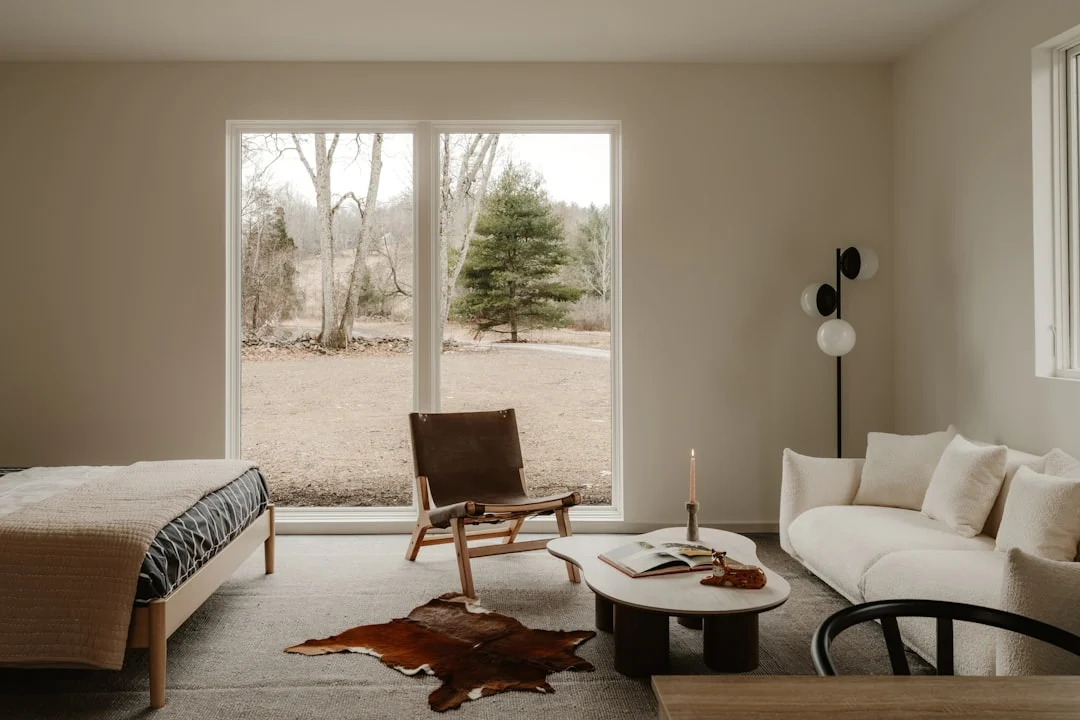
At the heart of a relaxing home is the concept of Qi, or vital life force energy. Imagine Qi as a gentle breeze or a meandering stream; it needs to move freely and smoothly throughout a space to nourish it. When Qi flows unimpeded, it creates an atmosphere of vitality and peace. When it is blocked, stagnant, or moves too violently, it creates dissonance that we feel as discomfort. This flow is influenced by everything from the layout of furniture to the colors on the walls and the quality of light. A relaxing home effectively manages this energy flow by achieving a balance between Yin and Yang qualities. Yin energy is passive, cool, soft, and receptive—think of a quiet reading nook with soft lighting. Yang energy is active, warm, bright, and stimulating—think of a sunlit kitchen where people gather. A harmonious space artfully blends both. Furthermore, the Five Elements—Wood, Fire, Earth, Metal, and Water—manifest in materials, shapes, and colors. A room dominated by a single element can feel unbalanced; for instance, too much Fire (red, sharp triangles, excessive light) can feel overstimulating, while too much Water (black, wavy forms, isolation) can feel cold and depressive. The goal is a supportive, cyclical interaction among all elements.
Traditional Feng Shui Perspective
Classical Feng Shui offers a detailed blueprint for cultivating harmony through intentional design. It begins with the fundamental dance of Yin and Yang within a space. A bedroom, a place for rest and recovery, should lean toward Yin: softer colors, dimmable lights, and minimal electronic devices to foster deep sleep. A living room designed for social interaction benefits from more Yang: good natural light, uplifting art, and comfortable seating arranged for conversation. The imbalance occurs when a bedroom is too Yang (bright, cluttered, noisy) or a social space is too Yin (dark, cavernous, isolated). The Five Elements theory provides a language for diagnosing and correcting this balance. Each element corresponds to specific shapes, colors, and materials. Wood is represented by vertical lines, the color green, and living plants; it brings growth and vitality. Fire is triangular shapes, reds and purples, and actual light; it inspires passion and activity. Earth is square shapes, yellows and browns, and ceramic or stone; it offers stability and nourishment. Metal is round or arched shapes, white and gray, and metallic objects; it introduces precision and clarity. Water is irregular, wavy shapes, black and deep blue, and mirrors or reflective surfaces; it encourages wisdom and ease. A balanced room might feature the stability of Earth (a stone floor), the growth of Wood (a healthy plant), the clarity of Metal (a round, metallic lamp), the warmth of Fire (a candle), and the flow of Water (a gently curving vase). Qi flow is meticulously mapped through the floor plan. The main entrance, considered the "mouth of Qi," should be welcoming, clear of obstructions, and open into a space that allows energy to penetrate deeply into the home. Long, straight hallways can cause Qi to rush like a torrent, which is mitigated by placing a rug, artwork, or a gentle curve along the path. Clutter is the arch-enemy of good Qi, as it represents stagnant energy that physically and mentally weighs us down. Furniture placement follows the "commanding position" principle, where key pieces like beds and desks are positioned diagonally opposite the door, with a solid wall behind them, providing a sense of security and a wide view of the room.
Modern Interpretation
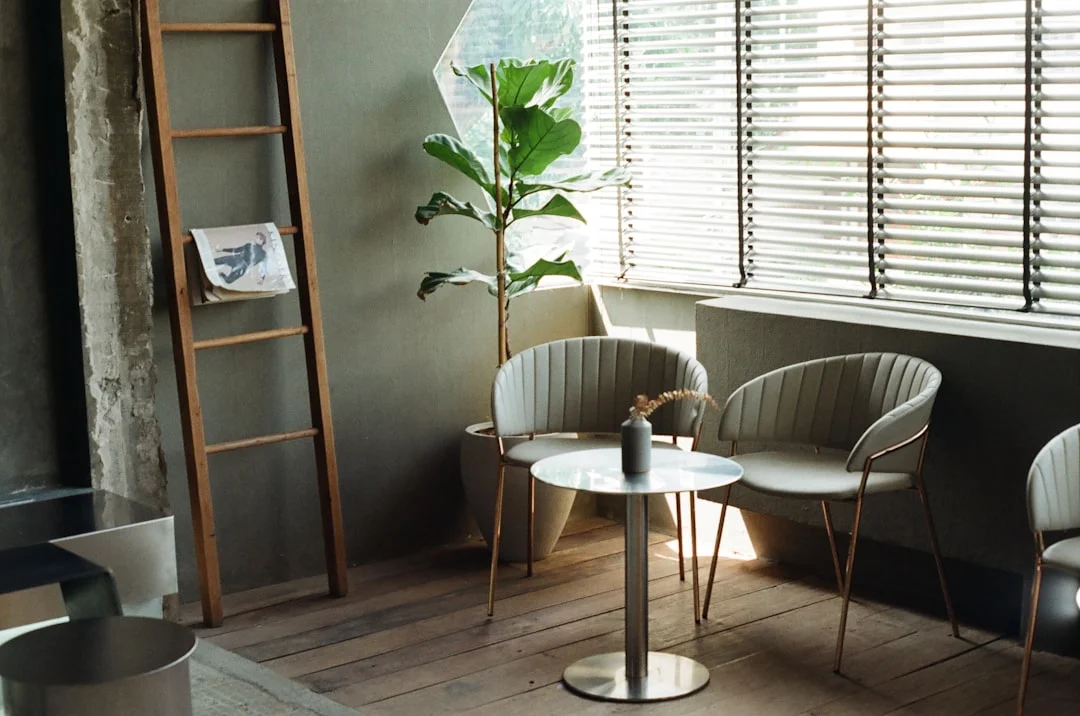
Contemporary environmental psychology and design research validate these ancient principles with scientific terminology, focusing on how spatial characteristics directly impact human neurology and behavior. The concept of Qi flow aligns with research on air quality, natural light exposure, and visual permeability. Spaces with poor circulation, both of air and visual sightlines, can increase anxiety and a sense of confinement. The Yin-Yang balance is understood through our physiological need for both stimulation and restoration. An overstimulating environment (excessive noise, visual clutter, harsh lighting) triggers low-grade stress responses, keeping the nervous system on alert. A restorative environment, as studied in attention restoration theory, provides "soft fascination"—gentle sensory engagement like watching clouds drift or leaves rustle, which allows the brain's directed attention circuits to recover. This is why a room with a view of nature, soft textiles, and diffuse light feels so deeply relaxing. The Five Elements find their correlate in the psychological impact of color, form, and materiality. Studies show that blue and green hues (Water and Wood) can lower heart rate and blood pressure, while certain reds (Fire) can increase arousal. Natural materials like wood and stone (Wood and Earth) are consistently preferred and linked to reduced stress, a phenomenon known as biophilia—our innate human connection to nature and natural processes. The arrangement of furniture to achieve a "commanding position" is supported by psychology's concept of prospect and refuge; humans feel most at ease in places where they can see (prospect) without being seen (refuge), fulfilling a deep-seated need for safety. Ultimately, a relaxing home is one that supports the lifestyle and emotional needs of its inhabitants. It minimizes environmental stressors and maximizes opportunities for comfort, connection, and personal reflection. It is not about rigid rules, but about creating a personalized ecosystem that feels intuitively right.
Insights
- Strategically place your most used seating, like a sofa or desk, to face the entrance of the room while having a solid wall behind you to cultivate a subconscious sense of security and control.
- Incorporate at least two of the Five Elements in every major room, such as a wooden table (Wood) with a ceramic vase (Earth) and a rounded metal lamp (Metal), to create visual and energetic balance.
- Ensure a clear and welcoming pathway from your front door into the heart of your home, free of shoes or clutter, to invite positive energy and a feeling of arrival.
- Balance active Yang spaces like kitchens and offices with restorative Yin qualities by adding a small plant or using a soft, natural color palette to prevent overstimulation.
- Use soft, layered lighting from multiple sources like floor lamps and dimmable sconces instead of a single harsh overhead light to mimic the gentle dynamism of natural Qi flow.
Conclusion
The feeling of relaxation in a home is not a mysterious accident but the result of deliberate and harmonious design. It emerges from the seamless integration of ancient wisdom and modern understanding—where the free flow of Qi aligns with clear circulation, where Yin-Yang balance supports our cycles of activity and rest, and where the Five Elements manifest in a palette that soothes our senses. By moving beyond mere decoration to consider how space shapes energy and emotion, we can consciously craft environments that do not just house us, but truly nurture us. A relaxing home is ultimately a reflection of thoughtful harmony, a sanctuary built on the timeless principles of balance between ourselves and the space we inhabit.