A bedroom should be a sanctuary, a place where the day's tensions dissolve into restorative sleep. Yet, many people find their bedrooms feel subtly agitated, making relaxation elusive. This sense of restlessness is not merely a matter of decor preference; it often stems from deeper environmental dynamics. Through the lens of Feng Shui and environmental psychology, we can decode the silent language of a space to understand why certain bedrooms fail to provide peace and how they can be transformed.
Core Concept
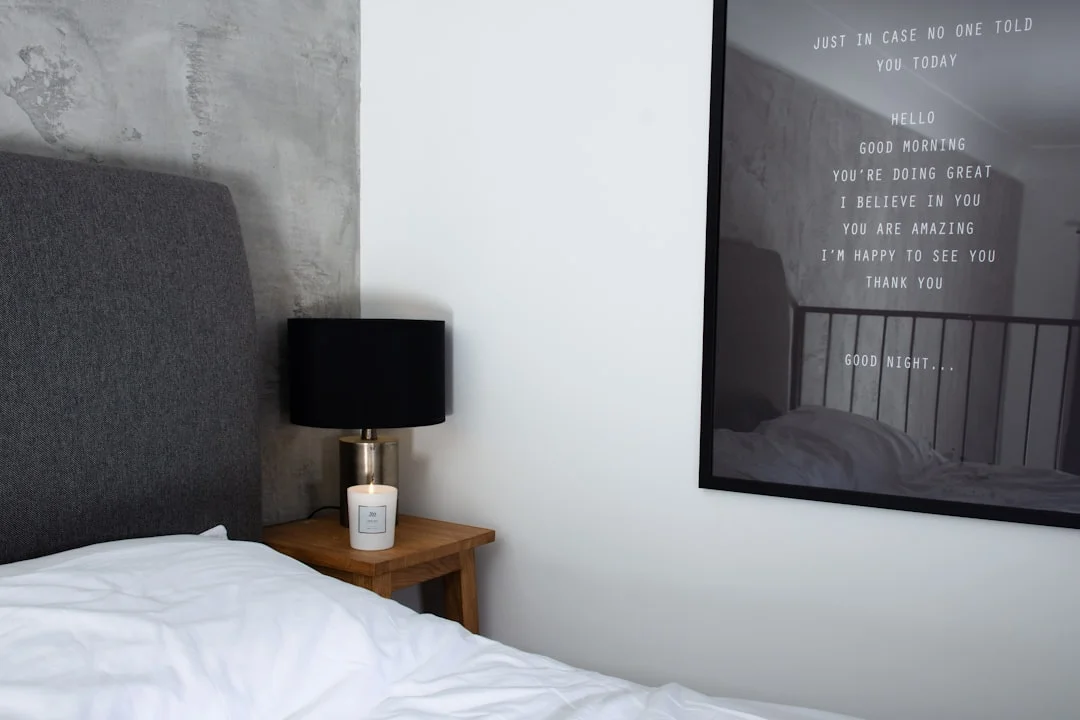
At its heart, the feeling of restlessness in a bedroom is a symptom of disrupted or stagnant energy flow, known as Qi. In environmental terms, Qi represents the vital life force that circulates through a space, influenced by everything from layout and furniture placement to colors and materials. When Qi moves too quickly, it creates a sense of anxiety and instability; when it becomes stuck, it leads to lethargy and unease. The bedroom's primary function is to support the Yin states of rest, recovery, and intimacy, requiring a specific quality of calm, nurturing energy. Consider a bedroom with a desk piled high with work documents, a television flashing bright images, and a bed directly in line with the door. Each element introduces a specific energetic frequency. The work materials summon mental activity and stress, the television emits stimulating light and sound, and the bed's alignment may make a sleeper feel subconsciously exposed. Together, these factors create a conflicting environment where the energy is chaotic rather than cohesive, directly undermining the room's core purpose of rest.
Traditional Feng Shui Perspective
Classical Feng Shui analyzes a bedroom through the fundamental principles of Yin-Yang balance, the Five Elements, and the harmonious flow of Qi. The ideal bedroom should predominantly embody Yin qualities: quiet, dark, cool, and passive, to counterbalance the Yang of daily active life. The bed itself is the most critical piece, considered the "command position." It should be placed diagonally opposite the door, without being directly in line with it, allowing occupants to see the entrance while not being in the direct path of incoming energy. A bed backed by a solid wall provides symbolic support and security. Beds under exposed beams, in line with sharp room corners, or with their heads against a window are believed to create "cutting" energy or a lack of support, leading to fragmented sleep and subconscious anxiety. The Five Elements theory further refines this analysis. A balanced bedroom carefully manages these elemental energies. An excess of the Fire element, through too much red color, bright lighting, or electronic devices, can over-stimulate and cause insomnia. An overabundance of Water, represented by black hues, mirrors, or wavy patterns, may lead to emotional instability or a feeling of being ungrounded. The goal is to nurture the Earth element for stability and the Wood element for gentle growth and health, using their corresponding colors, shapes, and materials to create a nurturing container. Qi flow is paramount. Clutter under the bed or in corners stagnates energy. Doors that bang into furniture or beds, or windows that align to create a straight draft, can cause Qi to rush through the room. The symbolism is clear: a calm, protected, and intentionally arranged space mirrors and supports a calm, protected, and restorative state of mind and body.
Modern Interpretation
Contemporary environmental psychology arrives at remarkably similar conclusions, using different terminology. Our surroundings have a profound, often subconscious, impact on our nervous system, mood, and cognitive function. A restless bedroom is one that constantly sends conflicting signals to the brain, preventing the shift into a parasympathetic "rest and digest" state. Visual clutter, for instance, competes for our attentional resources, creating low-grade cognitive load that inhibits mental relaxation. The presence of work-related items triggers associative memories of stress and responsibility, making it difficult to psychologically detach. Poor air quality and inadequate ventilation can literally lower oxygen levels, affecting sleep quality and next-day alertness. Harsh, cool-toned LED lighting suppresses melatonin production, disrupting our circadian rhythms. The placement of the bed speaks to our primal need for safety. A bed where one cannot see the door may trigger a subtle, lingering vigilance rooted in ancient survival mechanisms. Conversely, a room that feels too enclosed or cramped can induce feelings of confinement and anxiety. Modern design principles emphasizing calm, minimalist spaces, ergonomic comfort, and personal sanctuary align seamlessly with the ancient goal of creating a harmonious environment that supports specific human behaviors—in this case, deep rest and emotional connection.
Insights
- Position your bed to face the door while not being directly in its path to satisfy a deep-seated psychological need for security and command of your environment.
- Remove or conceal work-related electronics and materials to create a strong psychological boundary between productive daytime activities and nocturnal rest.
- Incorporate soft textiles, rounded shapes, and warm, muted colors to physically and visually soften the environment, promoting sensory calm.
- Ensure air can circulate freely around and beneath your bed while eliminating physical clutter that subconsciously symbolizes unresolved tasks and mental weight.
- Use dimmable, warm-light sources at eye level instead of overhead to mimic the calming descent of dusk and support your body's natural sleep-wake cycle.
Conclusion
A restless bedroom is ultimately a space at odds with its purpose. The interplay of ancient Feng Shui principles and modern environmental psychology reveals a consistent truth: our environments are not passive backdrops but active participants in our well-being. By intentionally curating the flow of energy, the balance of elements, and the psychological cues within our bedrooms, we transform them from mere places to sleep into true sanctuaries for restoration. The goal is not superstitious arrangement but conscious design that aligns our surroundings with our fundamental need for peace, safety, and deep rejuvenation.