The bedroom is the most personal sanctuary in a home, a space dedicated to rest, intimacy, and rejuvenation. An ideal Feng Shui bedroom layout is not merely about furniture placement; it is a deliberate design philosophy aimed at cultivating a harmonious environment that supports deep sleep, emotional balance, and personal well-being. By understanding and applying principles of energy flow, elemental balance, and spatial psychology, one can transform a bedroom from a simple sleeping area into a true haven for restoration. This article explores the traditional foundations and modern applications of creating such a space, offering a holistic guide to nurturing your private retreat.
Core Concept
At its heart, the Feng Shui bedroom layout is designed to cultivate a specific quality of energy known as Qi. In this context, the goal is to nurture "Yin" energy—characterized by qualities of stillness, receptivity, and calm—to counterbalance the active, outward "Yang" energy we engage with throughout the day. The bedroom represents a container for personal energy, where the body and mind recharge. Its layout directly influences how smoothly and abundantly Qi can circulate, which in turn affects the quality of sleep, the sense of safety, and the dynamics of personal relationships. The flow of Qi is influenced by everything from the position of the bed to the arrangement of doors and windows. For instance, a bed placed directly in line with a door may create a sense of vulnerability, disrupting rest. Conversely, a bed positioned with a solid wall behind it and a clear, gentle view of the room's entrance fosters a feeling of security and command. Real-life examples include bedrooms that feel instantly peaceful and inviting versus those that feel chaotic or unsettling, even if they are tidy. The ideal layout intentionally guides energy to be supportive and nourishing, making the space feel like a true refuge.
Traditional Feng Shui Perspective
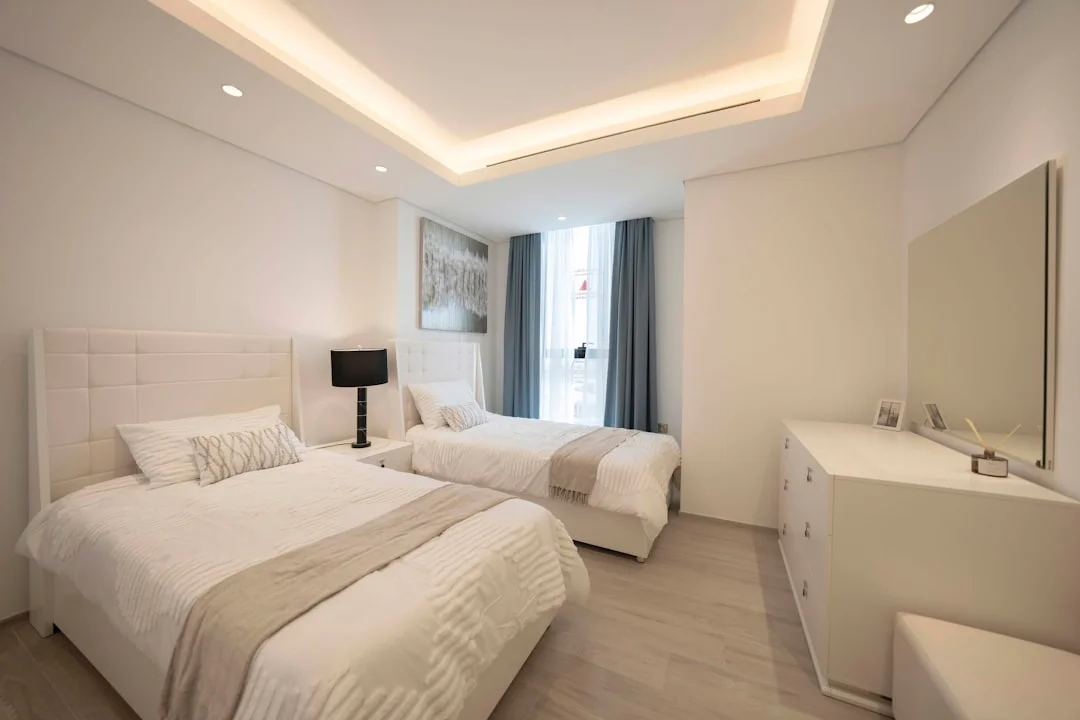
From a classical viewpoint, the bedroom is a domain of Yin, and its design must prioritize tranquility and protection. The balance of Yin and Yang is paramount. While the overall ambiance should be Yin (soft lighting, muted colors, quiet), it requires a subtle Yang presence to prevent stagnation—such as a living plant or a gentle curve in the furniture shape. The aim is a harmonious blend where restful energy dominates but is gently animated. The Five Elements theory—Wood, Fire, Earth, Metal, and Water—plays a crucial role in creating this balance. Each element corresponds to specific colors, shapes, and materials. A balanced bedroom might incorporate the grounding Earth element (through sandy or soft yellow tones), the nurturing Wood element (in wooden furniture or vertical lines), and the calming Metal element (with white, gray, or rounded forms). The Fire element (reds, sharp triangles, bright lights) and Water element (blacks, wavy patterns, mirrors) are used very sparingly, as they can introduce excessive energy or instability into a space meant for rest. Qi flow and spatial harmony are meticulously considered. The bed, known as the "command position," is ideally placed diagonally from the door, not directly in line with it, with a solid headboard against a wall for support. Doors should open freely without hitting the bed, and sharp corners from walls or furniture ("poison arrows") should not point toward the sleeping area. The space under the bed is kept clear to allow energy to circulate, avoiding stored clutter which can stagnate Qi. Symbolically, the layout creates a protected nest, with the bed as the secure centerpiece, fostering a sense of being supported and at ease.
Modern Interpretation
Modern environmental psychology provides a compelling, science-adjacent language for these ancient principles. The ideal Feng Shui bedroom layout aligns closely with concepts that promote psychological safety, stress reduction, and cognitive restoration. The emphasis on a clear, uncluttered space with a commanding bed position directly impacts our subconscious sense of security, reducing nighttime anxiety and improving sleep onset. The impact on mood and behavior is significant. A room with balanced elements and harmonious proportions can lower cortisol levels and promote a calm mental state. The restriction of electronic devices and work-related items from the bedroom, a key Feng Shui guideline, is now supported by sleep hygiene research that links screen time with disrupted circadian rhythms. The careful use of color psychology—opting for soothing, earthy palettes over stimulating ones—directly influences emotional regulation. In practical terms, this layout influences daily lifestyle by creating a definitive boundary between active life and restorative life. By designing a room that is exclusively for sleep, intimacy, and calm activities like reading, we condition our brain to associate the space with relaxation. This enhances productivity elsewhere by ensuring truly restorative downtime. The modern interpretation is less about metaphysical energy and more about designing an environment that cues the nervous system to switch from "fight-or-flight" to "rest-and-digest," making the principles accessible and beneficial regardless of one's belief system.
Insights
- Position your bed so you can see the door while lying down, but not directly in line with it, to foster a subconscious sense of safety and control.
- Maintain clear space on both sides of the bed to symbolize balanced partnership and to allow for equal, unobstructed access.
- Choose a sturdy headboard attached to a solid wall to provide tangible psychological and energetic support throughout the night.
- Keep all work-related electronics and exercise equipment out of the bedroom to preserve the space's primary association with rest and intimacy.
- Incorporate soft, textured fabrics and rounded furniture shapes to soften the room's energy and promote a feeling of being comforted and nurtured.
Conclusion
The ideal Feng Shui bedroom layout is a thoughtful synthesis of ancient wisdom and contemporary understanding of human well-being. It transcends aesthetic decoration to address how our environment fundamentally shapes our rest, relationships, and personal renewal. By prioritizing a commanding bed position, a clear and gentle flow of space, a balance of calming elements, and a strict separation from daily stressors, we craft more than a room—we create a sanctuary. This intentional design supports deeper sleep, emotional resilience, and a profound sense of peace, proving that the spaces we inhabit are active participants in our quality of life.