The bedroom is a sanctuary for rest, intimacy, and rejuvenation, making its energetic environment profoundly important. Feng Shui, the ancient art of placement, offers a sophisticated framework for arranging this space to support deep sleep, harmonious relationships, and personal well-being. This article explores how specific decor choices, guided by classical principles and modern psychology, can transform a bedroom from a mere sleeping area into a true haven of balanced energy.
Core Concept
At its heart, Feng Shui for the bedroom centers on cultivating a supportive and protective energy field that encourages the body and mind to release the day's stresses and engage in restorative sleep. This space represents the most intimate aspect of our lives, where we are at our most vulnerable and receptive. The energy, or Qi, here should be gentle, flowing, and nurturing, unlike the more vibrant and active Qi suitable for a workspace or living room. The primary influence of bedroom decor on Qi is through its impact on the senses and subconscious mind. Every color, texture, shape, and object emits a certain frequency and carries symbolic weight. These elements either calm the nervous system or stimulate it, either gather energy or scatter it. For instance, a room with harsh lighting, sharp angles, and chaotic artwork creates turbulent Qi, which can manifest as restless sleep and a racing mind. Conversely, a room with soft curves, muted tones, and minimal clutter promotes a smooth, sinking Qi that allows for true relaxation. Real-life examples illustrate this clearly. A bedroom dominated by exercise equipment or a home office setup introduces the energy of exertion and mental labor into a space meant for repose. A bed shoved into a corner with one side against a wall can create a subconscious feeling of being trapped or unsupported for the person on that side. These environments, through their design, directly contradict the core purpose of the room.
Traditional Feng Shui Perspective
From a classical viewpoint, the bedroom is a deeply Yin space. Yin qualities—darkness, coolness, stillness, and receptivity—must be emphasized to counterbalance the Yang (bright, active, hot) energy we accumulate during the day. The goal is to achieve a perfect Yin-Yang equilibrium where the environment itself guides you into a state of calm. The Five Elements theory provides a precise decor toolkit. The ideal elemental balance in a bedroom favors the nurturing, grounding qualities of Earth and the gentle, flowing qualities of Water, while carefully managing the more stimulating elements.
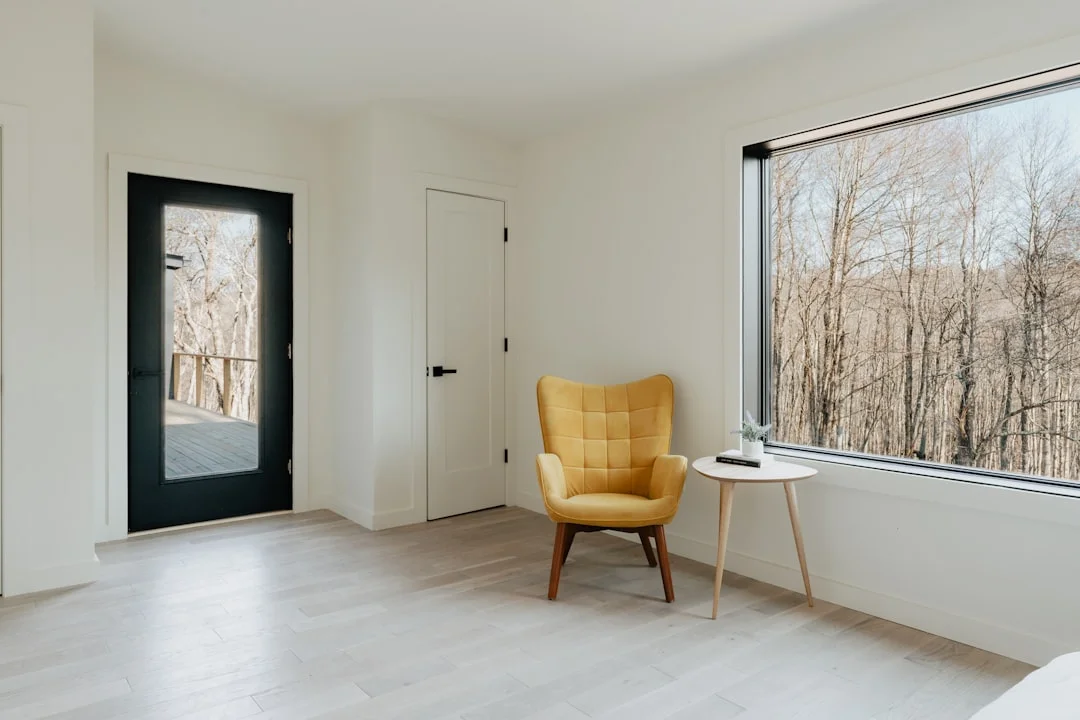
- Earth is fostered through square shapes, soft yellows, beiges, and terracotta tones, and ceramic or clay items. It provides stability and security.
- Water is represented by wavy or irregular shapes, deep blues and blacks, and reflective surfaces like mirrors (used cautiously). It supports relaxation and fluidity.
- Wood, associated with growth and vitality, can be introduced in moderation through vertical lines, green or teal colors, and live plants (though some traditions advise against them in the bedroom due to their active growing Qi).
- Fire, the most Yang element linked to passion and agitation, must be used sparingly. It appears in triangular shapes, reds, oranges, and strong lighting. A small accent is enough.
- Metal, with its contracting energy, brings precision and calm. It is found in circular shapes, white and metallic colors, and metal frames. It helps to condense and settle Qi. Qi flow and spatial harmony are paramount. The bed is the "command position," the most important piece. It should be placed diagonally opposite the door, with a solid wall behind it and a clear view of the entrance, without being directly in line with it. This provides a sense of safety and command of your space. Nightstands on both sides of the bed symbolize balance and support for both partners. Doors and windows should open freely without obstruction, and the space under the bed should be kept clear to allow Qi to circulate, preventing stagnant energy from accumulating where you sleep.
Modern Interpretation
Contemporary environmental psychology validates many Feng Shui principles, framing them as the impact of designed space on cognitive function, emotional state, and behavior. The modern interpretation focuses on creating a setting that psychologically primes the body for sleep and emotional connection. The impact on mood and behavior is direct. Clutter, for example, is not just an energetic blockage in Feng Shui; neuroscience shows visual clutter competes for our attentional resources, raising stress hormones even when we are trying to rest. The recommendation for a solid headboard translates to a felt sense of psychological support and security. The cautious use of mirrors, which in Feng Shui can bounce energy around restlessly, aligns with the understanding that unexpected movements or reflections in low light can trigger micro-startles, disrupting the nervous system's descent into sleep. Productivity, stress, and lifestyle are deeply influenced by sleep quality. A bedroom designed for optimal rest directly enhances daytime productivity and resilience to stress. By removing work-related electronics, we create a strong psychological boundary, signaling to the brain that this room is for disconnection. The emphasis on air quality and natural materials connects to modern concerns about toxins and allergens, which physically affect health and sleep. Ultimately, the practical meaning is about intentionality: every decor choice should be made consciously to serve the room's primary functions of sleep, intimacy, and renewal, rather than allowing it to become a default storage or multi-purpose area.
Insights
- Position your bed so you can see the door while lying down, using a substantial headboard for support, to cultivate a deep-seated feeling of safety and command within your personal space.
- Select a color palette dominated by soothing, muted Earth and Skin tones like soft beiges, gentle taupes, and warm whites to promote grounding and emotional stability throughout the night.
- Maintain absolute clarity and space beneath your bed by avoiding storage boxes, which encourages healthy energy circulation and prevents the subconscious association with clutter.
- Incorporate soft, diffuse lighting through bedside lamps with dimmers, avoiding harsh overhead lights, to gently guide your body's natural transition into a sleepy, Yin state each evening.
- Balance pairs of items, such as two nightstands and two lamps, to visually reinforce partnership harmony and equal support within the room's energetic landscape.
Conclusion
The best Feng Shui decor for a bedroom is that which intentionally cultivates a serene, protected, and balanced environment. By harmonizing Yin and Yang, thoughtfully engaging the Five Elements, and ensuring the smooth flow of Qi—especially around the commanding position of the bed—we align the space with its fundamental purpose. Modern understanding confirms that these principles are not mystical but practical, addressing how our surroundings shape our nervous system, sleep quality, and relational dynamics. Ultimately, a Feng Shui-informed bedroom is a deliberate creation, a personal retreat designed not by chance, but with wisdom to nurture your deepest well-being.