In the intricate system of Feng Shui, the concept of wealth extends far beyond mere money. It encompasses prosperity, abundance, opportunities, and the steady flow of resources necessary for a fulfilling life. The home is seen as a living organism, with specific areas acting as focal points for cultivating this expansive energy. Understanding these areas is not about discovering a secret vault, but about learning how to align your living environment to support stability, attract opportunities, and remove energetic blockages that hinder your capacity to receive. This exploration focuses on the primary spatial models used to identify and enhance these zones of prosperity within your dwelling.
Core Concept
At its heart, the Feng Shui approach to wealth areas is about managing the flow of Qi, or vital life force energy, within a defined space. Stagnant or chaotic Qi leads to missed chances and financial strain, while smooth, nourishing Qi fosters growth and stability. Specific areas of the home are believed to have a stronger resonance with abundance energy based on two primary mapping systems: the Bagua map and the classical importance of the front door. The Bagua is an eight-sided grid superimposed over a home's floor plan. The southeast sector is traditionally associated with wealth and abundance. Furthermore, the front door, known as the "Mouth of Qi," is critically important as it is the primary portal through which energy, including opportunities, enters the home. The area immediately opposite the front door, the "bright hall" or ming tang, must be clear and inviting to allow this energy to settle and circulate. Real-life examples include a cluttered, dark entryway that metaphorically and psychologically blocks new opportunities, versus a clean, well-lit foyer that welcomes both guests and positive potential.
Traditional Feng Shui Perspective
Classical Feng Shui offers a multi-layered analysis of wealth areas, integrating direction, element, and form. The southeast sector's association with wealth stems from the Later Heaven Bagua sequence, where it is connected to the Xun (Wind) trigram, symbolizing gentle penetration and growth, much like wealth accumulating over time. The element of this sector is Wood, which signifies upward growth and expansion. The Yin-Yang balance here is crucial. An overly Yang (active, chaotic) wealth area can lead to rapid gains and losses, while an overly Yin (stagnant, dark) area can cause prosperity to lie dormant. The goal is a dynamic balance: active but not frantic, calm but not asleep. The Five Elements theory guides enhancements. Since the southeast is a Wood element area, one strengthens it with the Water element (which nourishes Wood, like water feeds a plant) or with the Wood element itself. Introducing the Fire element (which drains Wood, as fire consumes wood) or the Metal element (which destroys Wood, as an axe chops a tree) would be counterproductive here. Spatial harmony and the symbolism of layout are paramount. The kitchen, where food (a primary resource) is prepared, is considered a wealth area, and its stove symbolizes financial health. A clean, functional stove in good repair is essential. The bedroom, particularly the space under and around the bed, relates to how you "hold" wealth; a disorganized under-bed space can symbolize an inability to retain resources. The overall flow from the front door should be smooth and unimpeded, allowing Qi to meander gently through the home, collecting in key areas rather than rushing straight out a back window or door.
Modern Interpretation
Through the lens of environmental psychology and modern living, these traditional principles translate into tangible impacts on mindset and behavior. The wealth areas of a home are essentially the spaces that influence our sense of security, our capacity for focused work, and our openness to new ventures. A well-maintained southeast corner or home office, for instance, psychologically primes you for growth. When this space is organized, aesthetically pleasing, and contains symbols of personal or professional aspiration, it acts as a constant, subtle cue for goal-oriented behavior. Conversely, using a wealth area as a dumping ground for unsorted bills and clutter creates subconscious anxiety and a feeling of being overwhelmed by finances. The front door's role is profoundly psychological. It marks the transition between the public and private self. A welcoming, secure entryway reduces daily stress upon returning home, fostering a calmer mindset from which better financial decisions can be made. The "bright hall" opposite the door functions as a first impression for the home's energy; keeping it open and attractive reduces subconscious resistance to new opportunities. In practical terms, enhancing these areas often means improving lighting, repairing broken items, and introducing living plants—actions that directly reduce stress, increase environmental mastery, and promote a proactive, rather than reactive, approach to life's resources.
Insights
- Regularly decluttering the pathway from your front door inward is a practical method for symbolically and energetically clearing obstacles to new opportunities and resources.
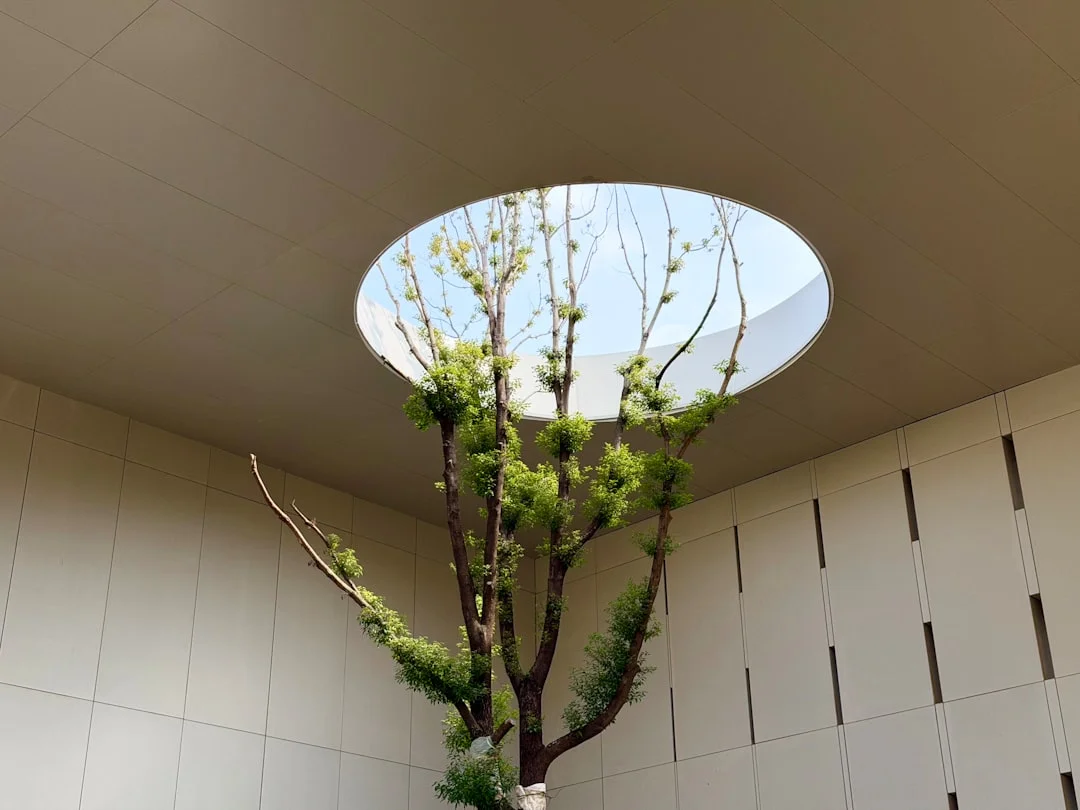
- Placing a healthy, vibrant plant in the southeast area of your living room or home office can subconsciously reinforce themes of growth and vitality in your professional endeavors.
- Ensuring your primary stove burners are all in working order addresses the traditional symbolism of financial health while promoting a functional, efficient cooking environment.
- Keeping the space under your bed clear and organized can help cultivate a psychological sense of stability and your capacity to securely hold onto your assets.
- Using the color blue (representing Water) or rich greens and browns (representing Wood) in your home's southeast sector aligns with elemental theory to nurture a calming yet expansive atmosphere.
Conclusion
Identifying and nurturing the wealth areas of a house in Feng Shui is ultimately an exercise in intentional living and environmental awareness. It moves beyond superstition into a practice of aligning your physical space with your aspirations for stability and abundance. By understanding the traditional significance of the southeast sector, the front door, and key rooms like the kitchen, and then interpreting these through modern principles of psychology and design, you can create a home that actively supports a prosperous mindset. The goal is not to force fortune, but to cultivate a space where Qi flows smoothly, where symbolism supports your goals, and where your daily environment reminds you of growth, security, and the steady flow of possibilities.