Lighting is far more than a functional necessity in the bedroom; it is a primary conductor of energy and a fundamental tool for shaping the atmosphere. In the art of Feng Shui, light is considered a potent manifestation of Qi, the vital life force that flows through all spaces. The quality, placement, and color of light directly influence how this energy circulates, settles, and interacts within your most personal sanctuary. Proper lighting design can transform a bedroom from a mere sleeping area into a haven of restoration, balancing active and passive energies to support deep rest, intimate connection, and personal rejuvenation. Understanding its role is key to cultivating an environment that nourishes both body and spirit.
Core Concept
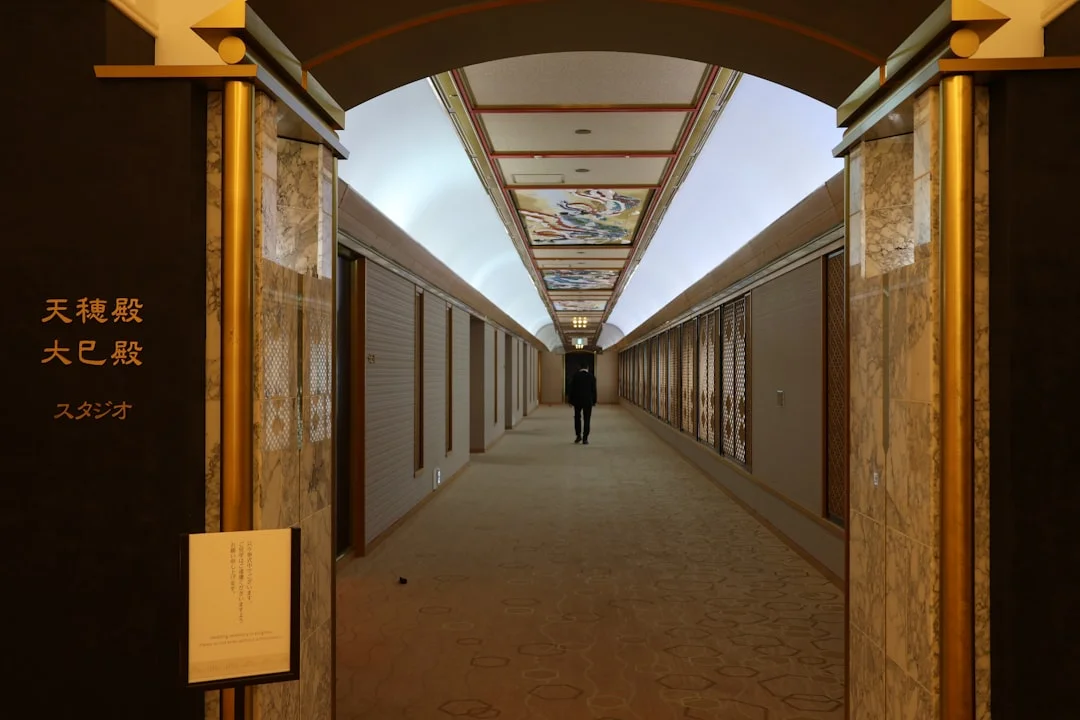
In Feng Shui, light is intrinsically linked to the Fire element, representing warmth, activity, illumination, and visibility. It is the primary modulator of Yang energy—the active, bright, and stimulating force—within a space. The bedroom, however, is fundamentally a Yin domain, requiring qualities of darkness, coolness, quiet, and receptivity to facilitate rest and sleep. Therefore, the core concept of bedroom lighting revolves around the strategic management of this Yang energy. The goal is not to eliminate light but to harness it intelligently, creating a balanced flow of Qi that promotes tranquility during restful hours while providing appropriate vitality during waking moments. Light directly influences Qi by either encouraging its smooth movement or creating stagnation and disruption. Soft, diffused light allows Qi to meander gently, fostering a sense of safety and calm. Harsh, direct, or flickering light can create "Sha Qi" or attacking energy, leading to agitation and fractured sleep. Real-life examples illustrate this clearly. A bedroom with a single, glaring overhead light often feels stark and unsettling, its energy static and oppressive. In contrast, a room layered with multiple soft light sources—such as bedside lamps, concealed LED strips, or a dimmable central fixture—creates a dynamic yet gentle energy field that feels enveloping and peaceful, guiding the occupant smoothly toward rest.
Traditional Feng Shui Perspective
The traditional Feng Shui perspective on bedroom lighting is deeply rooted in the dynamic equilibrium of Yin and Yang. The bedroom must masterfully hold the essence of Yin: darkness, softness, and quietude. Introducing Yang through light must be done with reverence and intention. Overly bright or excessive lighting tips the scale toward excessive Yang, which can overstimulate the nervous system, hinder sleep, and even create tension between partners. The ideal is to achieve a "Yin within Yang" quality—a soft luminance that holds a nurturing darkness within it, like the gentle glow of moonlight. The Five Elements theory further refines lighting choices. While light itself is Fire, the materials, colors, and shapes of light fixtures engage other elements to create harmony. A wooden lamp base (Wood element) helps to nurture and feed the Fire of the bulb in a productive cycle. A metal lampshade (Metal element) can help to control and refine the spread of light. The color temperature of the light is critical: warm white or amber tones (Earth and Fire) promote warmth and connection, while cool blue-white light (Water and Metal) can feel clinical and draining, disrupting the needed Earth/Fire comfort of the bedroom. Qi flow is guided by lighting placement. Lights should be positioned to avoid direct beams aimed at the bed, especially at the head, as this symbolizes energy attacking the sleeper. Symmetry in bedside lighting is highly favored, as it creates balanced Qi for both occupants, supporting equality and harmony in the relationship. Directionally, according to classical schools like the Flying Stars, the specific sector of the bedroom may influence the auspiciousness of introducing Fire element light. Ultimately, the symbolism is clear: lighting should mimic the benevolent, protective, and cyclical qualities of natural light, transitioning smoothly from the active brightness of day to the restorative darkness of night.
Modern Interpretation
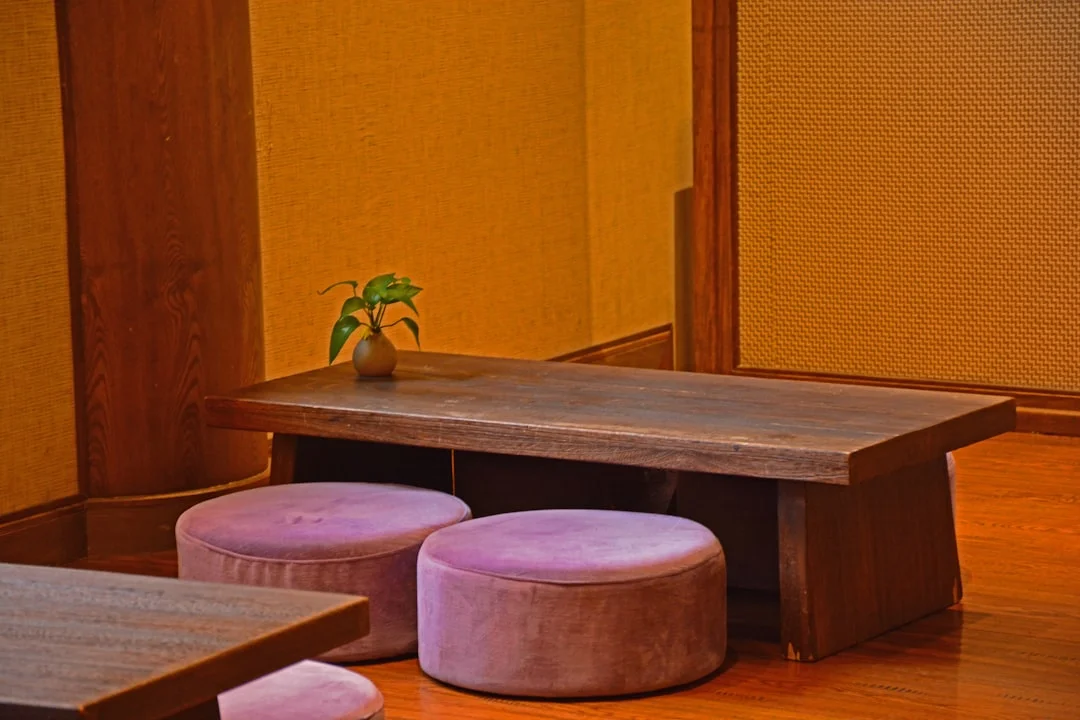
Through the lens of modern environmental psychology, the principles of Feng Shui lighting find strong scientific and experiential validation. Lighting is a primary driver of our circadian rhythms; exposure to bright, blue-spectrum light in the evening suppresses melatonin production, delaying sleep onset and reducing sleep quality. Thus, the Feng Shui admonition against harsh, cool lighting in the bedroom aligns perfectly with our understanding of human biology. The modern interpretation focuses on how lighting schemes directly impact mood, behavior, and physiological states. A well-lit bedroom according to these blended principles reduces stress by signaling safety and boundary. Layered, dimmable lighting gives occupants control over their environment, reducing feelings of helplessness and allowing for the creation of mood-specific settings—bright for reading, soft for conversation, and very dim for winding down. This control is a key factor in environmental psychology for creating restorative spaces. Furthermore, lighting affects perceived space; strategic use of light can make a small room feel larger and more open or make a cavernous room feel cozy and contained, directly influencing one's sense of comfort and security. The practical, real-life meaning is about creating a pre-sleep ritual and a sanctuary for disconnection. The deliberate act of lowering lights in the evening becomes a psychological cue for the mind and body to begin decelerating. In a world saturated with the stimulating glare of screens, a bedroom designed with intentional, gentle lighting becomes a crucial refuge for digital detox and mental decompression. It supports not just sleep, but the quality of waking moments spent in the room, fostering intimacy, relaxation, and a genuine sense of retreat from the demands of the external world.
Insights
- Implement a layered lighting scheme with dimmers to transition seamlessly from active daytime energy to passive nighttime rest, giving you full command over the room's atmosphere.
- Always opt for warm-white or amber-toned bulbs to support melatonin production and create a nurturing Earth-element glow that promotes feelings of safety and warmth.
- Place bedside lamps symmetrically on nightstands to establish balanced Qi between partners, fostering relational harmony and eliminating subconscious competition for light.
- Completely avoid placing overhead lights directly above the bed or using fixtures with sharp edges pointing downward, as this creates oppressive energy that can disrupt sleep.
- Incorporate indirect lighting, such as lights behind a headboard or within a cove, to softly wash walls and ceilings, expanding the sense of space while eliminating harsh shadows.
Conclusion
Lighting in bedroom Feng Shui is the art of balancing visibility with vulnerability, activity with rest, and Fire energy with Yin essence. It transcends mere decoration to become a functional philosophy for managing the energetic quality of your most personal space. By synthesizing traditional wisdom on Qi flow and elemental balance with modern insights into circadian biology and environmental psychology, we can design lighting that does more than illuminate—it heals, calms, and restores. The ultimate goal is to create a luminous environment that respects the body's need for rhythmic darkness, supports emotional and relational well-being, and transforms the bedroom into a true sanctuary where energy is not drained but consistently renewed.