In the intricate system of Feng Shui, the water element holds a position of profound significance, particularly in its association with wealth and prosperity. This connection is not merely symbolic but is rooted in classical observations of nature and energy flow. Water, as the source of life, nourishes growth, facilitates movement, and accumulates resources. In the context of spatial design, understanding how to incorporate water correctly is considered essential for attracting and circulating the energy of abundance. This article explores the traditional principles and modern interpretations behind water's role in wealth Feng Shui, moving beyond superstition to examine its impact on environmental harmony and psychological well-being.
Core Concept
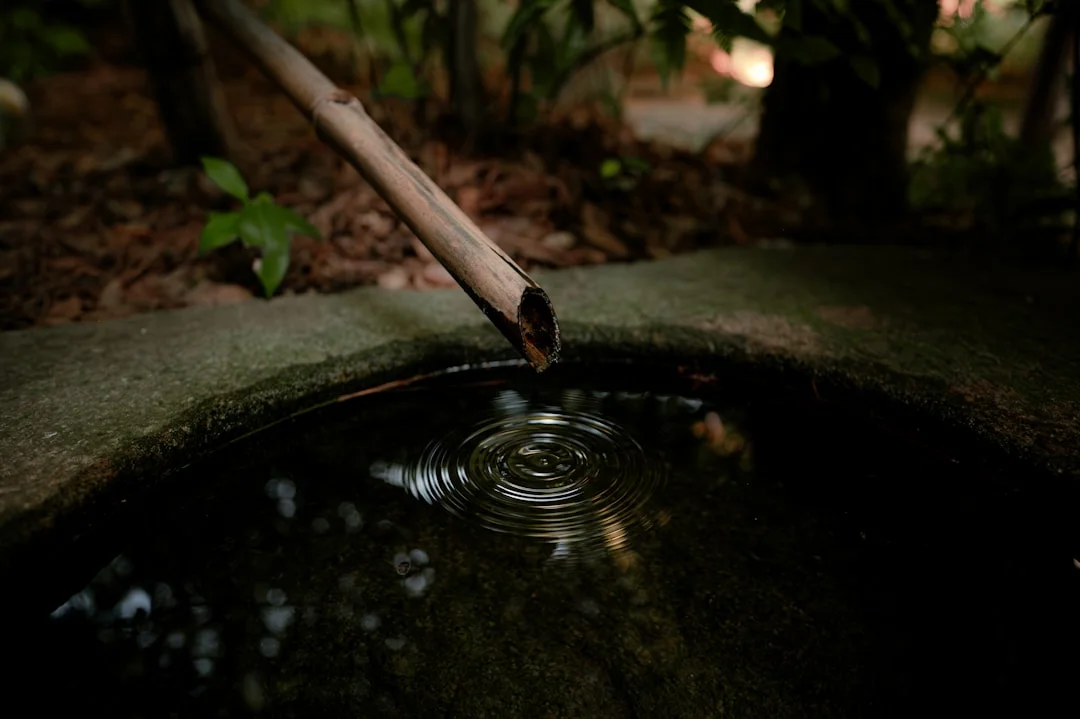
In Feng Shui philosophy, water represents the flow of Qi, or life force energy, specifically related to wealth and opportunities. It symbolizes fluidity, adaptability, and the potential for accumulation. Just as rivers carve landscapes and bring fertile silt to valleys, well-placed water elements in an environment are believed to guide beneficial energy, nourishing the potential for growth and financial stability. The influence on energy is direct: moving water activates and circulates Qi, while still water collects and stabilizes it. The key is the quality and placement of the water. Clean, clear, gently moving water is associated with positive, flowing wealth energy. Stagnant, dirty, or violently rushing water, conversely, is thought to symbolize lost opportunities, financial leaks, or chaotic cash flow. Real-life examples extend beyond literal bodies of water. In a home, this can include aquariums, tabletop fountains, reflective surfaces like mirrors, artwork depicting serene water scenes, and the use of deep blue or black color schemes. In urban planning, the placement of buildings in relation to natural rivers, lakes, or constructed water features is analyzed for its impact on the prosperity of a community. The core concept teaches that by mindfully integrating water's qualities, we can influence the energetic atmosphere of a space to support abundance.
Traditional Feng Shui Perspective
Classical Feng Shui offers a sophisticated framework for applying water elements, governed by the balance of Yin and Yang and the interactions of the Five Elements. The Yin-Yang balance is crucial. Water is inherently Yin—cool, deep, and receptive. However, moving water introduces Yang activity. A perfectly balanced wealth water feature combines the Yin depth and capacity to hold with the Yang movement to stimulate. A pond (Yin) with a small fountain (Yang) exemplifies this harmony. An oversized, roaring waterfall in a small room creates excessive Yang, leading to restless energy, while a large, completely still pool in a dark area may promote excessive Yin, associated with stagnation. The Five Elements theory—Wood, Fire, Earth, Metal, Water—dictates a cycle of generation and control. Water generates Wood (plants grow with water), which is beneficial if you wish to support growth and new projects. However, Water controls Fire; placing a large water feature directly opposite a fireplace or in the southern sector of a property (associated with Fire) could symbolically dampen passion and recognition. The element that generates Water is Metal, making metallic frames, white colors, or round shapes (Metal forms) excellent companions to enhance a water feature's positive effect. Qi flow and spatial harmony are assessed through precise methods like the Bagua map and compass school formulas. Historically, the placement of water in relation to a building's main door was paramount. The ideal was to have a gently curving body of water in front of the entrance, seen as "welcoming" wealth Qi. Water should never be positioned in a threatening rush directly toward the door nor stagnate behind the property. Directionally, the North is the native sector of Water, while Southeast is traditionally linked to wealth, making these areas potentially auspicious for water activation, subject to a full analysis. The symbolism of water's form is also vital. Meandering, serpentine streams are favored over straight, fast-flowing channels, as they slow and gather Qi. The shape of a water container matters; a bowl shape is preferable to a jagged, irregular one. The intention is always to mimic benevolent natural formations that accumulate resources gently and sustainably.
Modern Interpretation
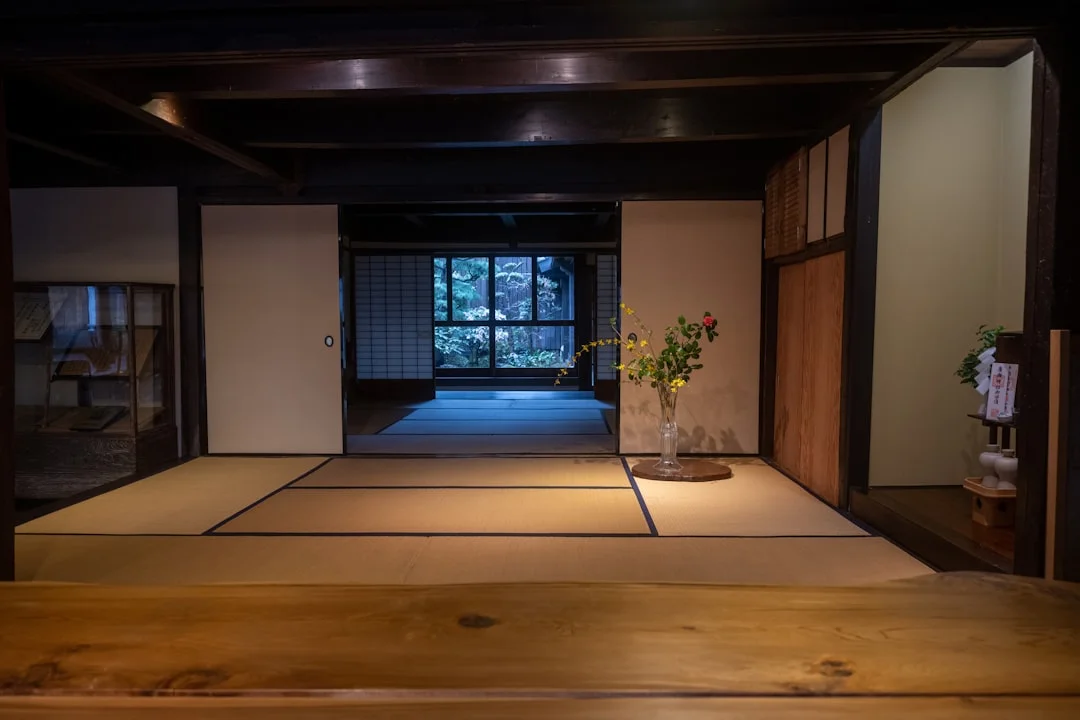
Contemporary understanding bridges ancient symbolism with environmental psychology and practical design. The influence of water elements on mood, behavior, and cognitive function provides a non-esoteric rationale for their benefits. From an environmental psychology standpoint, the sight and sound of water have a demonstrably calming effect on the human nervous system. A small indoor fountain creates masking noise that drowns out stressful distractions, promoting concentration. The reflective quality of water and aquariums provides a point of soft, moving focus, which can reduce anxiety and mental fatigue. This improved state of mind naturally supports clearer decision-making and creativity—key components for generating wealth in modern life. The impact on behavior is subtle yet significant. A well-maintained, beautiful water feature in an office or home entryway sets a tone of care, abundance, and flow. It can uplift the spirits of inhabitants and visitors alike, fostering a more positive and open social atmosphere conducive to networking and opportunity. Conversely, a dried-up fountain or a dirty fish tank can subconsciously signal neglect, blockage, and decay, affecting one's motivation and the impressions of others. In terms of lifestyle influence, the practice of maintaining a water element encourages mindfulness and routine. Caring for an aquarium or ensuring a fountain is clean requires consistent attention, mirroring the consistent effort required to manage finances. The water element, therefore, becomes a physical metaphor for the flow of resources, reminding one to keep energy (and finances) moving, clean, and well-directed. Practically, it shifts focus from a static desire for money to an active engagement with the processes of circulation and growth.
Insights
- Positioning a small tabletop fountain in the leftmost corner of your desk from where you sit can symbolically attract supportive energy for career growth and income.
- Always ensure any water feature in your home is kept impeccably clean, as murky or algae-filled water represents corrupted opportunities and unclear financial vision.
- Incorporate the Water element through color and shape by using deep blues, blacks, or wavy, asymmetrical patterns in decor items within areas you wish to activate for abundance.
- Balance a powerful water element with the strengthening presence of Metal, using white, gray, or metallic finishes nearby to create a generative cycle of energy.
- Avoid placing water features like aquariums or fountains in bedrooms, as the active energy they promote can disrupt the restorative, Yin calm needed for proper sleep.
Conclusion
The influence of water elements on wealth Feng Shui is a multifaceted concept that intertwines ancient natural philosophy with perceptive design principles. Traditionally, it revolves around guiding and accumulating beneficial Qi through the symbolic and literal properties of water, always mindful of Yin-Yang balance and the Five Elements cycle. Modern interpretation validates this practice through the lens of psychology, noting water's tangible effects on human stress, focus, and behavior. Ultimately, whether one approaches it from a traditional or contemporary standpoint, the mindful integration of water encourages an environment of clarity, flow, and mindful accumulation. It serves less as a guarantee of fortune and more as a tool for creating a space that supports the focused, calm, and prosperous mindset from which true abundance can grow.