The bedroom serves as a sanctuary for rest and intimacy, a space where the energy of a relationship is nurtured and renewed. Feng Shui, the ancient art of placement, offers a profound framework for optimizing this environment. By intentionally arranging a bedroom according to principles of energy flow, balance, and symbolism, we can create a setting that actively supports harmony, communication, and deep connection between partners. This practice moves beyond mere decoration to consider how the spatial dynamics of a room influence the subtle emotional and energetic exchanges that occur within it.
Core Concept
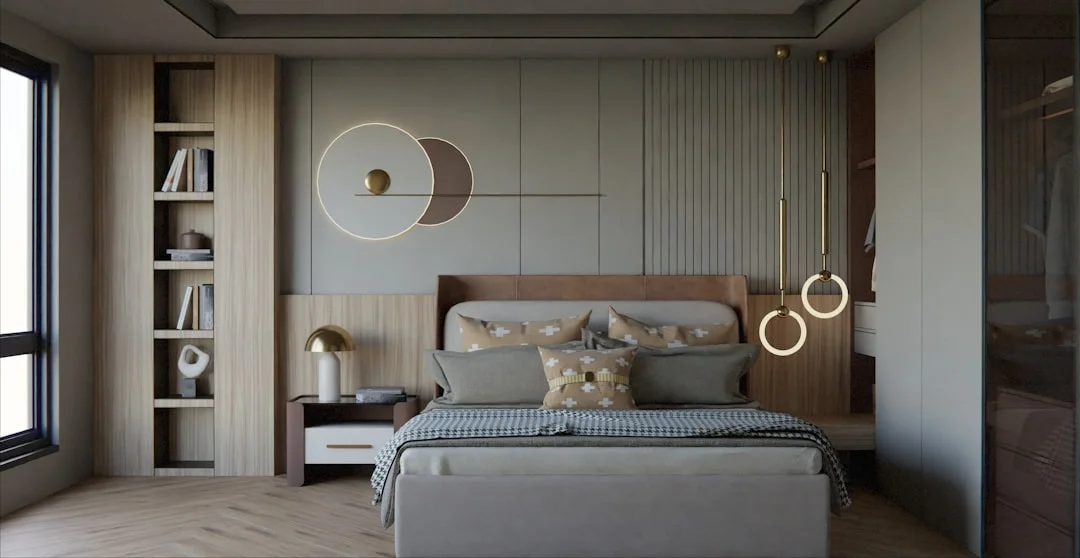
At its heart, Feng Shui for the bedroom focuses on cultivating "Kun Qi," or relationship energy. This involves creating a space that is both protective and inviting, balancing active and passive forces to foster mutual support and affection. The bedroom's energy, or Qi, should flow gently and evenly, avoiding stagnation or chaotic currents that can mirror relationship discord. Key elements include the positioning of the bed, the management of clutter, and the careful selection of colors and materials. For instance, a bed placed in a "commanding position" with a solid wall behind it and a clear view of the door provides a subconscious sense of security for both occupants. Real-life examples of environments with good relationship energy often feature symmetry, such as two nightstands of equal size, which promotes a sense of equality and partnership, while soft, diffuse lighting encourages relaxation and tender interaction.
Traditional Feng Shui Perspective
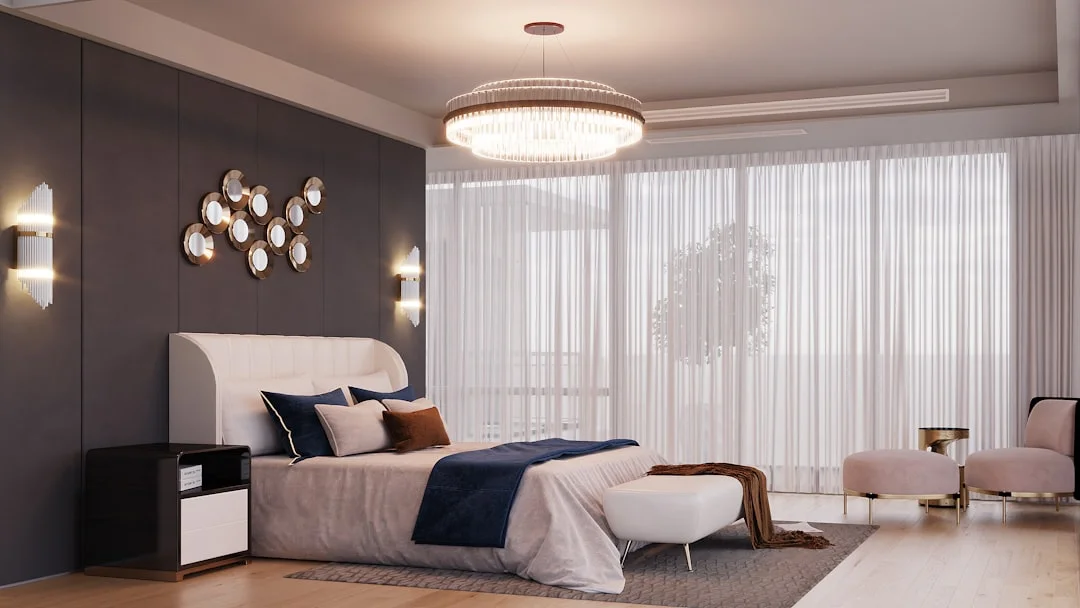
From a classical viewpoint, the bedroom is a deeply Yin space, requiring a dominant quality of receptivity, quiet, and rest to counterbalance the Yang energy of daily life. The balance of Yin and Yang within the room itself is crucial; too much Yin can lead to lethargy and lack of passion, while excessive Yang can cause irritability and sleeplessness. The Five Elements theory plays a critical role in orchestrating this balance. The bedroom primarily benefits from the nurturing, stable qualities of the Earth element, often introduced through soft, earthy tones and square shapes. The Wood element, representing growth and flexibility, can be subtly incorporated with vertical lines or gentle green hues to encourage kindness and adaptation within the relationship. The Metal element, through its white or metallic colors and rounded forms, introduces clarity and precision, but must be used sparingly to avoid creating a cold, critical atmosphere. Water (black, blue, wavy forms) and Fire (red, bright lights, triangles) are generally used with great caution, as Water can drain energy and Fire can be overly stimulating in a rest space. Qi flow is paramount. The bed should never be placed in direct line with the door, a position known as the "coffin position," which creates a rush of energy that disrupts sleep and creates anxiety. Spatial harmony is achieved by ensuring there is space to move freely on both sides of the bed, symbolizing room for each individual to thrive within the union. The symbolism of pairs is powerful—two pillows, two bedside lamps, and balanced artwork all reinforce the energy of the couple.
Modern Interpretation
Modern environmental psychology aligns remarkably well with these ancient principles, validating them through the lens of how space affects human psychology and behavior. A bedroom designed with Feng Shui principles directly impacts mood and interpersonal dynamics by reducing environmental stressors that subconsciously affect the nervous system. The "commanding position" of the bed translates to a fundamental need for safety and a non-vulnerable sleeping posture, which reduces baseline stress and allows for deeper relaxation with a partner. Clutter under the bed or in corners, warned against in Feng Shui for blocking Qi, is understood in modern terms as visual noise that subconsciously increases cognitive load and anxiety, making peaceful connection more difficult. The emphasis on soft, non-glaring lighting supports the body's natural production of melatonin, fostering better sleep quality, which is intrinsically linked to emotional regulation and patience within a relationship. The practical, real-life meaning is about creating a habitat that supports the relationship's goals. A balanced, harmonious room minimizes petty arguments that can stem from environmental irritants and instead provides a backdrop that encourages calm communication, romance, and mutual respect. It moves the focus from reacting to a chaotic space to proactively designing an environment that reflects and supports the love and partnership desired.
Insights
- Always choose a solid headboard for your bed to provide tangible symbolic and physical support for both partners throughout the relationship.
- Remove all electronic devices and work-related materials from the bedroom to create a definitive psychological boundary between shared intimacy and external stress.
- Incorporate artwork and decor that depicts pairs or harmonious themes, avoiding solitary or aggressive imagery that can subconsciously influence the room's emotional tone.
- Ensure that both sides of the bed have equal access and ease of movement to non-verbally communicate balance and mutual consideration within the partnership.
- Select bedding and textiles in natural fibers and calming colors to engage the sense of touch and sight in a way that promotes comfort and serene connection.
Conclusion
Feng Shui provides a timeless and insightful methodology for transforming a bedroom from a simple sleeping area into a potent crucible for relationship energy. By thoughtfully applying principles of Qi flow, Yin-Yang balance, and the Five Elements, we engage with our environment as an active participant in our emotional lives. The modern interpretation confirms that these are not superstitious rules but observed principles of environmental psychology. Ultimately, a Feng Shui-informed bedroom is a deliberate act of care—for oneself, for one's partner, and for the shared energy that sustains a loving, resilient partnership. It is the art of crafting a space where harmony is not left to chance, but is thoughtfully designed into the very fabric of the room.