The bedroom is a sanctuary for rest and rejuvenation, a space where the quality of energy directly impacts our well-being. The introduction of plants into this intimate environment is a popular modern decor choice, but it raises a nuanced question within the framework of Feng Shui. While plants are celebrated as powerful purifiers and symbols of growth in other areas of a home, their role in the bedroom is subject to specific principles concerning energy flow, elemental balance, and the primary function of the space. This article explores the intersection of botanical life and bedroom Feng Shui, examining classical theories and contemporary environmental psychology to provide a balanced perspective.
Core Concept
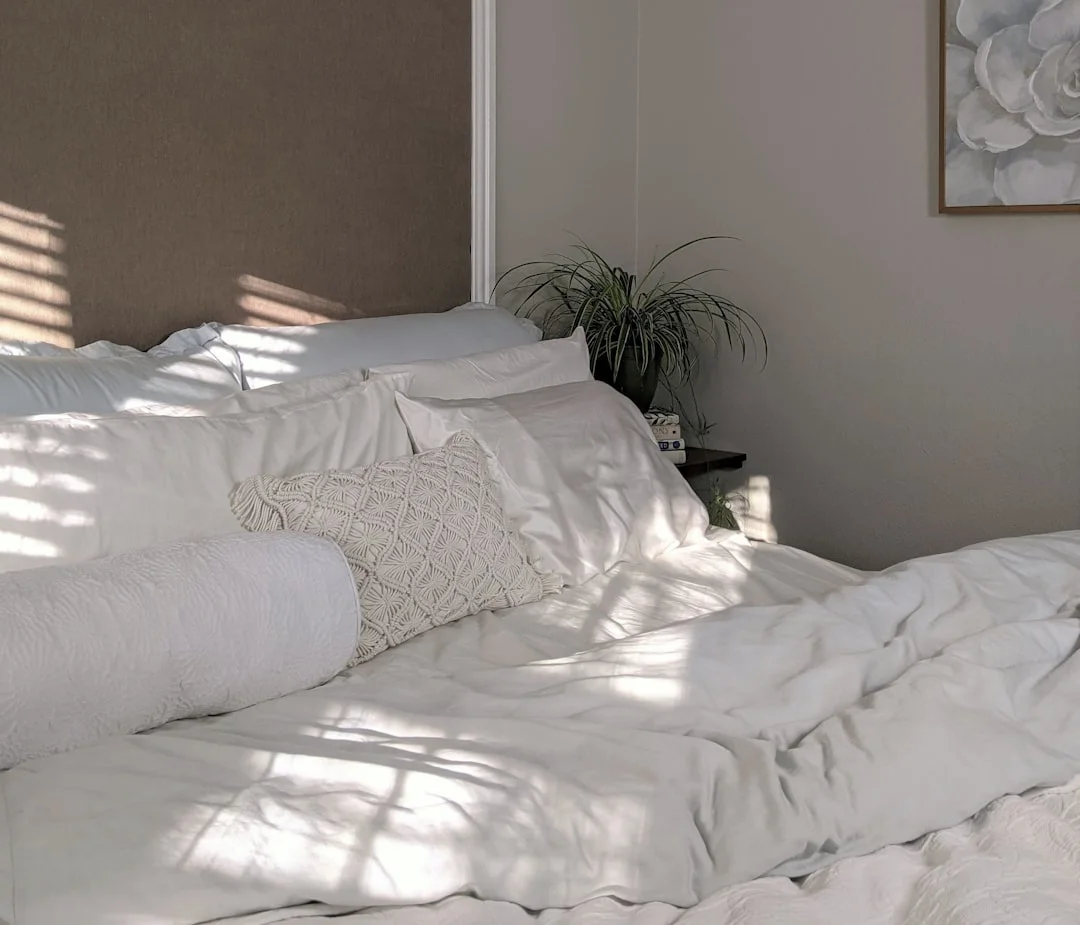
In Feng Shui, the bedroom fundamentally represents the domain of rest, intimacy, and subconscious nourishment. Its primary purpose is to cultivate a tranquil, supportive, and gently nurturing energy that promotes deep sleep and personal restoration. The energy, or Qi, in this space should be calm, sinking, and stable, mirroring the Yin qualities of night, quiet, and receptivity. Plants, by their very nature, embody vibrant, upward-moving, and active Wood element energy. They represent growth, vitality, and expansion. When placed in a bedroom, this lively Qi interacts with the room's need for stillness. The core concept, therefore, revolves around managing this interaction. A plant can improve bedroom Feng Shui by gently enhancing vitality without disrupting sleep, or it can detract from it by introducing overly stimulating or conflicting energies. Real-life examples include a serene master bedroom with a single, graceful orchid versus a sunroom filled with large, leafy specimens—the former aligns with bedroom energy, while the latter belongs to a more active living space.
Traditional Feng Shui Perspective
From a classical standpoint, the bedroom Feng Shui debate centers on the delicate balance of Yin and Yang and the careful application of the Five Elements theory. The bedroom is a predominantly Yin space. Its energy should be soft, dark, cool, and quiet to facilitate the Yin activities of sleep and recovery. Excessive Yang energy—characterized by brightness, noise, heat, and vigorous movement—can lead to restlessness. Large plants with pointed leaves, fast-growing vines, or plants that require strong sunlight are considered highly Yang. Their presence can subtly conflict with the room's core Yin function, potentially disrupting sleep patterns. The Five Elements theory provides a more granular analysis. Plants are the primary manifestation of the Wood element. In the productive cycle, Wood feeds Fire (which can be too stimulating) and controls Earth (which represents stability). In a bedroom, an overabundance of Wood may inadvertently over-stimulate the Fire element associated with passion and mental activity, or overly restrain the grounding Earth element. The goal is to use Wood strategically. A small, gentle plant can introduce a nurturing, growing energy that supports personal development and health, which are also Wood attributes, without creating imbalance. Qi flow and spatial harmony are paramount. Plants with sharp, pointed leaves (like many succulents or palms) are said to generate "cutting Qi," which can create a sense of subconscious unease in a vulnerable space. Conversely, plants with soft, rounded leaves (like the Jade plant or certain ferns) promote a smoother, more benevolent Qi flow. Furthermore, placing a large plant between the bed and the door can obstruct the flow of energy and create a subconscious sense of blockage. The symbolism is clear: the structure and placement must support openness and peace, not obstruction or hidden threat.

Modern Interpretation
Modern environmental psychology and wellness principles offer a compelling translation of these ancient ideas. The impact of space on mood, behavior, and physiology provides a scientific lens through which to view traditional advice. Plants are empirically known to improve indoor air quality by absorbing carbon dioxide and releasing oxygen, and some varieties can remove volatile organic compounds. This biochemical benefit directly supports a healthier sleeping environment. Psychologically, the presence of plants reduces stress, lowers blood pressure, and enhances feelings of well-being and connection to nature—a concept known as biophilia. A visually calming plant can serve as a focal point that draws the eye away from clutter or electronic devices, aiding mental decompression before sleep. The influence on productivity and lifestyle is indirect but significant. A bedroom that truly promotes restorative sleep improves daytime energy, cognitive function, and emotional resilience. A well-chosen plant that contributes to a sense of serene sanctuary supports this outcome. However, modern interpretations also acknowledge drawbacks: plants in soil can increase humidity and potentially promote mold growth, and for individuals with allergies, they can be detrimental. The practical meaning is about intentionality. It is not merely "plants are good" or "plants are bad," but rather selecting the right plant, in the right size, with the right care, to serve the specific psychological and physiological goal of restful sanctuary.
Insights
- Select bedroom plants with soft, rounded leaves to promote a gentle Qi flow and avoid the subconscious stress associated with spiky or sharp leaf forms.
- Opt for small to medium-sized plants placed on a stable surface like a nightstand or dresser, rather than large floor plants that can dominate the space and disrupt energy balance.
- Ensure any plant in the bedroom is exceptionally healthy, as a dying or wilting plant symbolizes stagnant energy and can negatively impact your sense of vitality.
- Avoid placing plants directly at the foot of the bed or between the bed and the doorway to maintain clear energy pathways and a feeling of spatial openness.
- Consider the practical maintenance of the plant, choosing varieties that thrive in lower light and consistent temperatures to support both the plant's life and your peaceful sleep environment.
Conclusion
The question of whether plants can improve bedroom Feng Shui does not have a simple yes or no answer. The integration of plant life into the bedroom is a practice of nuanced balance. When approached with understanding—respecting the room's primary need for Yin tranquility, applying the Five Elements theory with discretion, and selecting botanicals that align with principles of smooth Qi flow—plants can indeed become beneficial allies. They can purify the air, soften the aesthetics, and introduce a whisper of nurturing Wood element vitality. The modern perspective confirms this, highlighting the psychological benefits of biophilic design. Ultimately, the most auspicious bedroom Feng Shui is achieved when every element, including plants, consciously supports the fundamental purpose of the space: to be a haven of deep, restorative peace.