The quest for a peaceful home is universal, a sanctuary from the world's chaos. While modern solutions often focus on decor trends or organizational systems, the ancient Chinese art of Feng Shui offers a profound, holistic framework for cultivating tranquility. At its heart, Feng Shui is not about superstition but about the intentional arrangement of space to harmonize with natural forces and human psychology. It posits that our living environments are alive with an invisible energy, or Qi, and that the flow and quality of this energy directly impact our well-being. By understanding and applying its principles, we can transform a house from a mere structure into a resonant space that actively supports calm, clarity, and emotional balance.
Core Concept
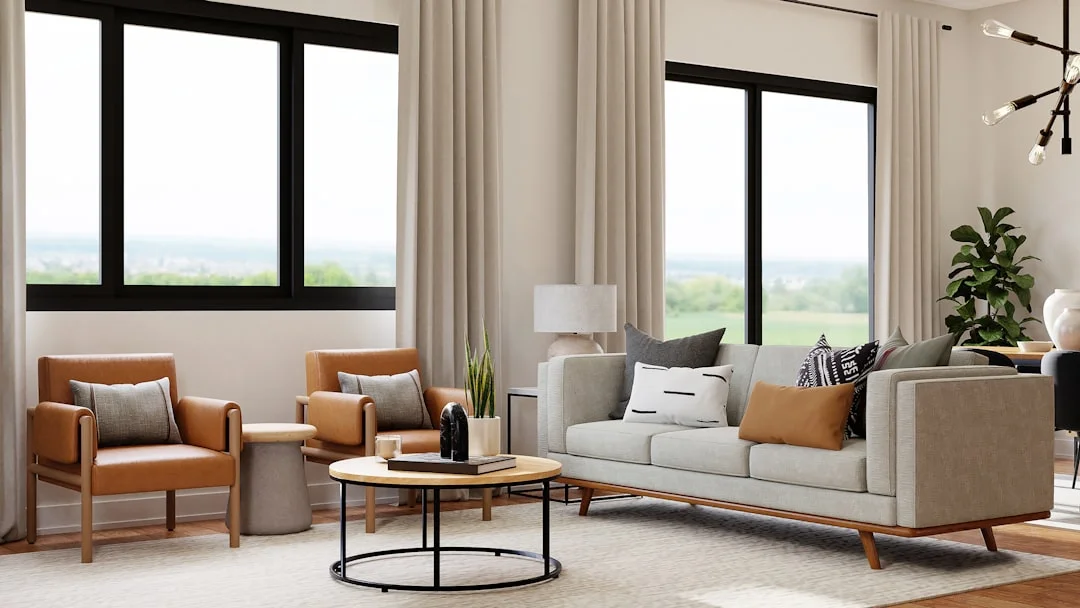
Feng Shui, translating to "wind and water," is the study of how the configuration of our surroundings influences the flow of Qi, or life force energy. The core premise is simple: when Qi flows smoothly and gently through a space, it nourishes the inhabitants, promoting health, harmony, and peace. When it is blocked, rushed, or stagnant, it can lead to feelings of unease, conflict, and fatigue. This concept moves beyond aesthetics to consider the dynamic relationship between people and their environment. A peaceful home, in Feng Shui terms, is one where Qi is encouraged to meander in a nurturing way. This is achieved by balancing opposing forces, integrating natural elements, and eliminating obstacles—both physical and energetic. For instance, a dark, cluttered hallway represents stagnant Qi, which can manifest as a feeling of dread or inertia when passing through. Conversely, a bright, open living room with a clear view to a garden allows Qi to flow and settle, creating an instinctive sense of ease and welcome. Real-life examples include the immediate calm felt in a room with ample natural light and living plants, or the subtle agitation experienced in a space where furniture creates awkward, sharp corners that one must navigate.
Traditional Feng Shui Perspective
From a classical viewpoint, cultivating peace is an exercise in achieving perfect dynamic balance through several interconnected systems. The principle of Yin and Yang is fundamental. A peaceful space requires a harmonious blend of these complementary energies. Too much Yang—excessive bright light, loud colors, sharp angles, and constant activity—can overstimulate and create tension. Too much Yin—deep shadows, cold temperatures, inactivity, and silence—can lead to lethargy and low mood. True peace is found in the blend: soft lighting alongside areas of shadow, warm textures balanced with cool surfaces, and social spaces contrasted with quiet retreats. The Five Elements theory—Wood, Fire, Earth, Metal, and Water—provides a symbolic language for creating this balance. Each element carries specific qualities and influences emotion. Wood (plants, vertical shapes) fosters growth but can become frustration if overused. Fire (bright lights, candles, triangles) inspires joy but can cause irritability. Earth (square shapes, ceramics, sandy colors) promotes stability but can lead to worry. Metal (round shapes, metals, white) encourages precision but can invite grief. Water (wavy shapes, mirrors, black) supports wisdom but can fuel fear. A peaceful home carefully curates these elements so none dominates, preventing emotional extremes and fostering a grounded, centered atmosphere. Qi flow and spatial harmony are meticulously analyzed through the layout and structure. The main entry, considered the "mouth of Qi," should be welcoming, unobstructed, and well-lit to draw in beneficial energy. The command position—the diagonal spot farthest from the door in a room, not in line with it—is key for beds and desks, providing a sense of security and control. Long, straight hallways are seen as accelerants for Qi, creating metaphorical "arrows" that disrupt peace; this is remedied with runners, artwork, or gentle lighting to slow the energy. The symbolism of direction also plays a role, with different sectors of a home associated with specific life areas, guiding the placement of elements to support overall life harmony, which in turn reduces stress and conflict.
Modern Interpretation
Contemporary environmental psychology and design thinking now echo many Feng Shui principles, validating them through a scientific lens. The modern interpretation focuses on how spatial design directly affects our nervous system, cognitive function, and emotional state. Research in environmental psychology confirms that clutter increases cortisol levels, the stress hormone, while orderly spaces promote mental clarity. The Feng Shui mandate to declutter is thus a practical strategy for reducing anxiety. The emphasis on natural light aligns with studies on circadian rhythms and serotonin production, which regulate mood and sleep. The use of plants (the Wood element) is proven to improve air quality and reduce psychological stress, a phenomenon known as biophilia. The impact on mood and behavior is clear. A bed placed in a commanding position, with a solid wall behind it and a clear view of the door, leverages our innate need for safety while sleeping, leading to more restful sleep. A desk positioned similarly can reduce the subconscious anxiety of being surprised, thereby improving focus. The avoidance of sharp corners (called "poison arrows") pointing at seating areas addresses our subconscious perception of threat, allowing us to relax more fully. In practical terms, Feng Shui becomes a tool for intentional living. It encourages mindfulness about what we bring into our homes and how we arrange our belongings. It shifts the focus from mere decoration to environmental curation, where every object and arrangement is chosen to support a desired state of being—in this case, peace. It merges the poetic wisdom of elemental balance with the modern understanding of how light, space, form, and texture shape our daily experience.
Insights
- Position your primary bed and desk so you can see the room's entrance without being directly in line with it, as this placement leverages a deep-seated sense of security and control.
- Incorporate the Five Elements subtly by ensuring no single quality dominates; for example, balance a metal bookshelf with a wooden plant or a fiery red accent pillow with a watery blue throw.
- Prioritize the gentle, meandering flow of movement through your home by removing clutter from floors and hallways, which allows both physical movement and mental energy to circulate freely.
- Create specific Yin spaces for rest, such as a dimly lit reading nook with soft textiles, to counterbalance the Yang energy of active areas like kitchens and home offices.
- Treat your front door as a sacred threshold by keeping it clean, well-maintained, and inviting, as it sets the energetic tone for everything that enters your life.
Conclusion
Feng Shui offers a timeless and deeply intuitive framework for making a home feel more peaceful. It moves beyond superficial styling to address the fundamental relationship between an individual and their spatial environment. By intelligently managing the flow of Qi through the conscious application of Yin-Yang balance, the Five Elements, and principles of spatial harmony, we craft spaces that do not just look calm but actively generate calmness. The convergence of this ancient art with modern environmental psychology confirms its enduring relevance: a peaceful home is a functional ecosystem that supports our psychological and emotional needs. Ultimately, applying Feng Shui is an act of self-care, a way of designing our immediate world to nurture our well-being and provide a resilient foundation for a tranquil life.