A living room should be a sanctuary for relaxation and connection, yet many find theirs to be a source of unexplained tension. This discomfort often stems from subtle environmental disharmonies that disrupt both energy flow and psychological ease. By examining the space through the integrated lenses of classical Feng Shui and modern environmental psychology, we can decode the silent language of our surroundings. This analysis moves beyond decor to understand how spatial arrangements, elemental balance, and energy pathways fundamentally shape our domestic experience, turning a tense room into a harmonious haven.
Core Concept
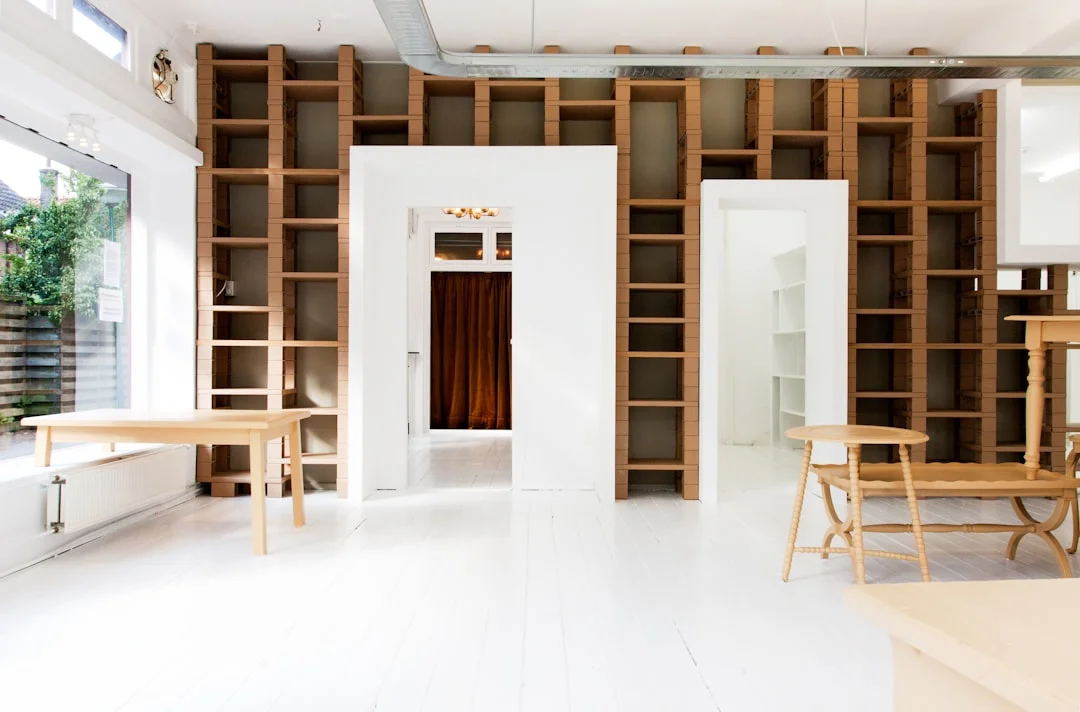
At its heart, the feeling of tension in a room is a signal of disrupted or stagnant Qi. Qi is the vital life force that circulates through all environments. In a well-designed space, Qi moves in gentle, meandering curves, nourishing the area with a sense of vitality and calm. When this flow is blocked, rushed, or scattered, it creates palpable unease. This concept translates directly into physical and sensory experience. A room with tense energy often has one or more core issues. It may feature too many sharp corners and angular furniture pointing at seating areas, creating invisible lines of aggressive "cutting" energy. Alternatively, a layout that forces movement in a straight line from one door to another creates a "wind tunnel" effect, stripping the space of peaceful, settling energy. Real-life examples include a sofa directly facing a sharp room divider, a main traffic path cutting between conversation areas, or a cluttered hallway entrance that immediately constricts the flow into the room. These configurations make the space feel challenging to inhabit, even if it is visually appealing.
Traditional Feng Shui Perspective
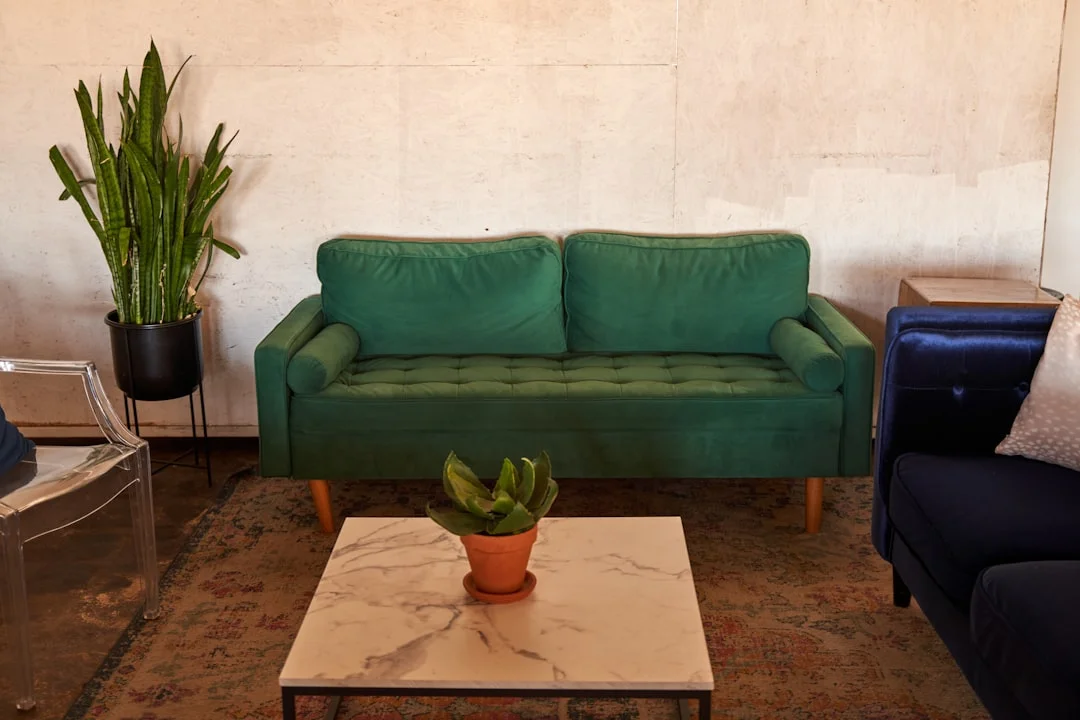
From a classical standpoint, a tense living room violates key principles of spatial harmony, primarily the balance of Yin and Yang and the constructive cycle of the Five Elements. A room should embody a harmonious blend of active Yang energy and receptive Yin energy to support both social interaction and restful downtime. The Yin-Yang balance is often skewed in a tense space. An excess of Yang might manifest as overly bright, direct lighting, too many red or orange colors, loud patterns, and constant high-energy activity from electronics. An excess of Yin could appear as very dark colors, poor lighting, dampness, or a lack of human activity, leading to stagnant, heavy energy. The ideal living room leans slightly toward Yang to encourage social engagement but incorporates ample Yin qualities—soft textiles, rounded shapes, gentle light—to allow energy to settle. The Five Elements theory provides another diagnostic layer. Each element—Wood, Fire, Earth, Metal, Water—has a specific relationship with the others. Tension often arises from destructive cycles or an overabundance of a single element. For example, an excess of the Fire element (reds, triangles, excessive lighting) can literally "burn out" the room's peace and overstimulate occupants. Conversely, too much Metal (white, gray, metallic surfaces, hard edges) can create a cold, rigid, and overly critical atmosphere. The goal is a supportive cycle where elements nourish one another, such as Wood (plants, vertical lines) feeding Fire (warmth, candlelight) to create Earth (stability, soft yellows, square shapes). Qi flow is paramount. The classical "commanding position" principle states that key furniture, especially the primary sofa, should be placed diagonally opposite the entrance door with a solid wall behind it, allowing occupants to see the door without being in the direct path of incoming energy. A sofa with its back to a door or a major passageway leaves occupants feeling vulnerable and subconsciously on edge, directly contributing to tension. Furthermore, symbolism matters: overhead beams, especially above seating areas, are considered to press down on occupants, while missing corners in the room's layout can symbolize a lack of support in life.
Modern Interpretation
Environmental psychology offers a compelling, science-adjacent translation of these ancient principles. It confirms that our spatial environment has a profound, measurable impact on our mood, stress levels, and social behavior. The feeling of tension is not mystical; it is a neurological and psychological response to environmental stressors. A room with poor Qi flow aligns with spaces that lack "prospect and refuge." This evolutionary psychology concept states that humans feel most secure in places where they can see (prospect) without being seen (refuge). A sofa in a non-commanding position violates this need, triggering low-grade stress. The aggressive "cutting Qi" from sharp corners translates to our subconscious perception of threat from pointed objects, activating subtle defensive responses. Similarly, the "wind tunnel" effect of a straight-line layout creates a space that feels more like a corridor than a destination, discouraging relaxation and lingering. Modern lifestyles amplify these issues. The proliferation of large-screen televisions often becomes the unyielding focal point, creating a passive, media-centric energy that stifles conversation. Open-plan living can lack definition, causing energy to become scattered and activities to interfere with one another, leading to a sense of chaos. Clutter, a universal Feng Shui blocker, represents postponed decisions and visual noise, which cognitive science shows increases cortisol levels and reduces the brain's ability to focus and process information. The practical meaning is clear: a tense room can elevate household stress, reduce quality family interaction, and hinder genuine recovery from the demands of the outside world.
Insights
- Reposition your main seating to face the entrance door from a diagonal angle to satisfy the deep-seated human need for security and control within your own space.
- Introduce soft, flowing elements like a round rug or curved furniture to counteract the stressful visual impact of excessive sharp angles and hard lines.
- Balance intense lighting with layered ambient and task lighting to soften shadows and create a more inviting and psychologically comforting atmosphere.
- Incorporate living plants to not only symbolize the Wood element but also to improve air quality and introduce organic, calming shapes into the room's geometry.
- Define distinct activity zones within an open-plan area using area rugs or furniture grouping to prevent energy from becoming scattered and overwhelming.
Conclusion
A tense living room is ultimately a space where environmental energy and human psychology are misaligned. The classical Feng Shui perspective provides a timeless framework for diagnosing energetic blockages, elemental imbalances, and symbolic threats, while modern environmental psychology validates these intuitions with insights into human perception and stress response. The path to harmony is not about following superstitious rules, but about intentionally designing a space that supports both the flow of energy and the fundamental needs of its inhabitants. By addressing the command of the space, softening its edges, balancing its elements, and ordering its contents, we transform tension into tranquility, creating a living room that truly fulfills its purpose as the heart of a peaceful home.