We have all experienced it: a workspace that, despite being clean and well-equipped, feels draining, distracting, or simply uninspiring. The struggle to focus becomes palpable, creativity stagnates, and a sense of lethargy pervades the day. While factors like management and workload play a role, the physical environment itself is a powerful, often overlooked, contributor. By examining these spaces through the integrated lens of classical Feng Shui theory and modern environmental psychology, we can decode the subtle architectural and energetic factors that undermine our capacity for productive work.
Core Concept
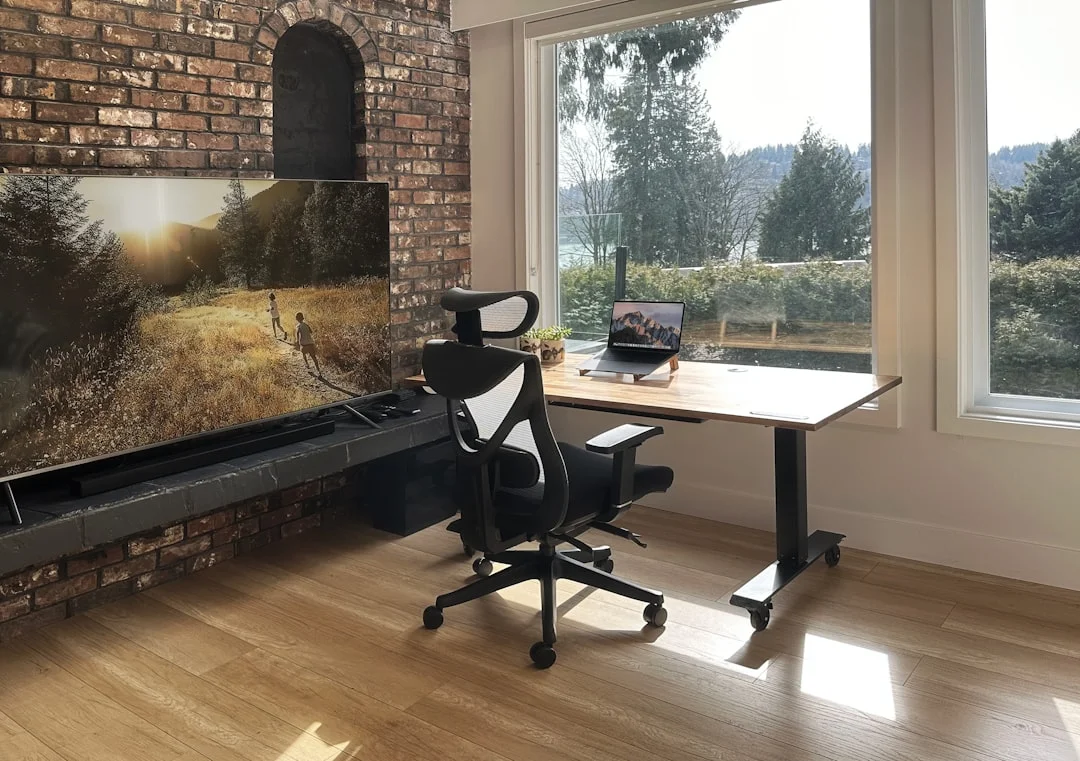
At its heart, Feng Shui is the study of how environmental patterns influence the flow of vital life force, or Qi. A workspace is not merely a container for tasks; it is a dynamic field of energy that interacts with its occupants. When Qi flows smoothly and harmoniously, it supports clarity, vitality, and focused action. When it becomes stagnant, chaotic, or blocked, it manifests as distraction, mental fog, and fatigue. This energy flow is shaped by everything from the arrangement of furniture and the use of color to the quality of light and air. For instance, a desk shoved into a dark corner with one's back to the door creates a subconscious sense of vulnerability and blocks both physical movement and energetic circulation, directly impacting one's ability to work with confidence and ease.
Traditional Feng Shui Perspective
Classical Feng Shui provides a systematic framework for diagnosing energetic imbalances in a workspace through the principles of Yin-Yang balance, the Five Elements, and intentional spatial design. The Yin-Yang dynamic is crucial. A productive workspace requires a balanced blend: sufficient Yang energy for activity, alertness, and social interaction, and enough Yin energy for contemplation, depth, and recovery. An office flooded with harsh fluorescent light (excessive Yang) with no soft textures or plants creates agitation and burnout. Conversely, a space that is too Yin—excessively dark, quiet, and isolated—can lead to drowsiness and disengagement. The Five Elements theory further refines this analysis. Each element—Wood, Fire, Earth, Metal, Water—corresponds to specific qualities, shapes, colors, and aspects of work. A balanced environment contains a nurturing cycle of all elements. A common imbalance is an overabundance of the Metal element, represented by white/gray colors, metallic surfaces, and rigid, rectangular furniture. While Metal brings precision and structure, an excess can create a cold, sterile, and overly critical atmosphere that stifles innovation (Wood) and collaborative warmth (Fire). Similarly, a lack of the Wood element (symbolized by vertical lines, plants, and the color green) can hinder growth, planning, and vision. Qi flow is paramount. The ideal layout, often called the "command position," places the desk so one has a solid wall behind, a clear view of the entrance, and is not in the direct path of a rushing corridor or a sharp architectural corner ("poison arrow"). This position fosters a sense of security and command, allowing Qi to gather around the occupant supportively rather than shooting past them or causing defensive tension. Clutter, especially under desks or in piles, is considered trapped Qi; it represents stagnant energy and unfinished business that subconsciously weighs on the mind.
Modern Interpretation
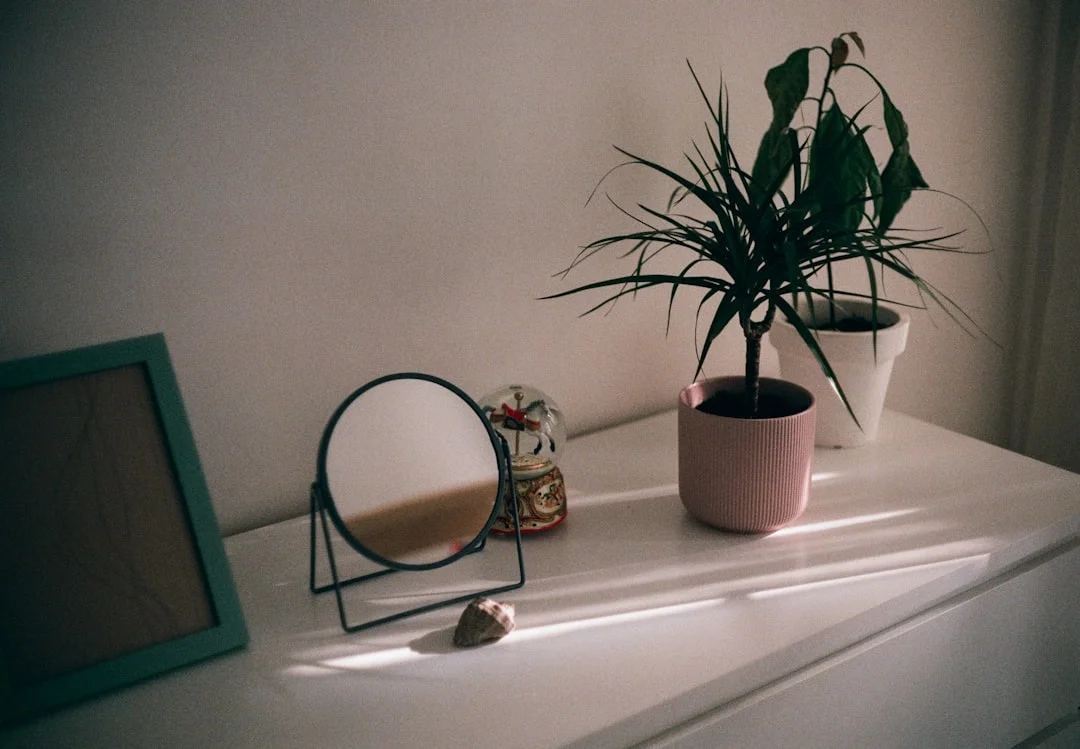
Modern environmental psychology arrives at remarkably similar conclusions, validating these ancient observations with scientific inquiry into how space affects cognition, emotion, and behavior. The feeling of unproductivity is not mystical; it is a physiological and psychological response to environmental stressors. Research shows that poor lighting, particularly a lack of access to natural light, disrupts circadian rhythms, reduces vitamin D synthesis, and increases eye strain and headaches, directly lowering cognitive performance and mood. Poor air quality and ventilation lead to elevated CO2 levels, which are proven to impair decision-making and complex strategic thinking. The "command position" principle aligns with evolutionary psychology: having one's back exposed triggers low-grade stress, keeping the sympathetic nervous system slightly activated, which is draining over long periods. The modern interpretation of clutter is particularly telling. Neuroscience reveals that visual chaos competes for our brain's attentional resources, reducing our working memory and processing power. A disorganized space sends constant, low-priority signals to the brain, making it harder to focus on high-priority tasks. Furthermore, the colors and materials in a space have demonstrated psychological effects. Overuse of cool grays and blues (Metal/Water) can feel calming but also cold and impersonal, potentially reducing energetic arousal needed for certain tasks. The absence of biophilic design—incorporating natural elements like plants, wood, and natural light—is linked to higher stress levels and lower creativity, as humans have an innate affinity for nature.
Insights
- Position your primary work desk so you can see the door without being directly in line with it, and ensure you have a solid wall behind you to cultivate a subconscious sense of security and control.
- Introduce living plants and elements of wood, such as a wooden desk or shelf, to activate the Wood element, which fosters growth, vitality, and flexible thinking in your professional environment.
- Rigorously manage physical clutter, especially paper piles and tangled cables, as visual disorder fragments your mental focus and symbolizes stagnant, unresolved projects.
- Balance intense task lighting with softer, ambient light sources to avoid the harshness of excessive Yang energy, which can lead to visual fatigue and mental agitation over time.
- Assess the elemental balance of your room by auditing its colors and materials, and introduce a warm Earth tone or a small red accent to counterbalance an overly metallic, cold color scheme.
Conclusion
An unproductive workspace is often an environment where energy has become misaligned—whether described as stagnant Qi or poor environmental design. The convergence of traditional Feng Shui and modern science offers a powerful, holistic toolkit for transformation. It moves us beyond superficial decoration to intentional space-crafting. By attending to the fundamental principles of supportive layout, balanced elements, natural vitality, and orderly flow, we can shape workspaces that do not merely house work, but actively nurture the clarity, energy, and innovation required to perform it well. The space itself becomes a silent partner in the pursuit of meaningful productivity.