We have all experienced it: walking into a room that instantly lifts our spirits, sharpens our focus, or simply makes us feel at ease. Conversely, other spaces can drain us, causing restlessness or lethargy without an obvious cause. This phenomenon is not merely subjective preference; it is the tangible experience of environmental energy. For centuries, traditional systems like Feng Shui have provided a framework for understanding how our surroundings affect us. By examining the flow of energy, the balance of elements, and the harmony of forms, we can decode why certain spaces feel inherently energizing and learn to cultivate these qualities in our own environments.
Core Concept
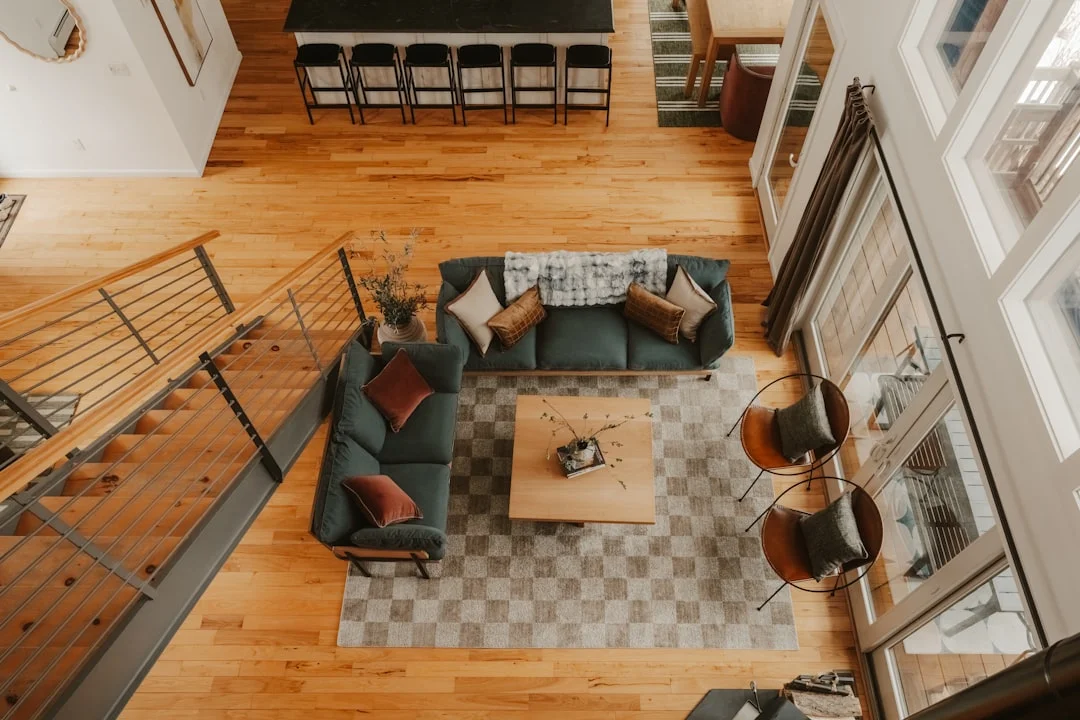
At the heart of an energizing space is the optimal movement and quality of Qi, often translated as vital life force or energy. In Feng Shui, Qi should flow like a gentle breeze—neither stagnant nor rushing. An energizing space facilitates this smooth, meandering flow, allowing energy to accumulate in beneficial areas without being trapped or scattered. This is not an abstract idea; it manifests through tangible environmental factors. What creates this dynamic flow? It is the interplay of layout, light, air, sound, and materiality. A space with a clear, uncluttered pathway allows both people and energy to move freely. Ample natural light acts as a primary activator of Yang Qi, bringing warmth and vitality. Fresh, clean air is the literal carrier of breath and energy. Furthermore, the presence of living elements, such as healthy plants or the sound of moving water, introduces a vibrant, organic quality that static objects lack. Real-life examples include sun-drenched living rooms with open floor plans, vibrant cafes with high ceilings and large windows, or serene gardens with curving pathways. These spaces feel alive because they successfully harness and circulate positive environmental energy.
Traditional Feng Shui Perspective
Classical Feng Shui offers a sophisticated system for diagnosing and designing energizing spaces, rooted in the observation of natural patterns. Its principles provide a blueprint for creating environments where Qi can thrive. The foundation is the balance of Yin and Yang. An energizing space typically has a strong Yang character, associated with light, activity, sound, and height. However, pure Yang can lead to overstimulation and exhaustion. True vitality arises from a balanced dominance of Yang supported by Yin elements. For instance, a bright, active home office (Yang) is balanced by a comfortable, softly textured chair and a solid, grounding desk (Yin), creating sustainable energy for work. The Five Elements theory—Wood, Fire, Earth, Metal, and Water—provides another layer of analysis. Each element embodies a specific type of energy. An energizing space often features a healthy cycle of these elements. The creative cycle, where Wood feeds Fire, Fire creates Earth, Earth bears Metal, Metal collects Water, and Water nourishes Wood, generates uplifting and progressive energy. A space with a strong, vibrant plant (Wood), adjacent to a fireplace or red accent (Fire), on a terracotta tile floor (Earth) exemplifies this generative cycle, promoting growth and dynamism. Qi flow and spatial harmony are assessed through form and direction. The concept of "protective embrace," where furniture or architecture is arranged in a gentle, curving formation that holds space without constricting it, allows Qi to gather and settle beneficially. The orientation of a space also matters; in many schools, the south (associated with the Fire element and fame) is considered a direction for vibrant energy, making south-facing rooms naturally brighter and more invigorating. Symbolically, structures with a solid, supportive back and an open, expansive front are seen as ideal, mimicking the protective posture of a mountain facing a body of water, providing both stability and opportunity.

Modern Interpretation
Contemporary environmental psychology and design principles arrive at remarkably similar conclusions, validating ancient insights with modern science. We now understand that our surroundings directly impact our nervous system, cognitive function, and emotional state. From a psychological standpoint, an energizing space reduces cognitive load. Clutter competes for our attentional resources, causing subconscious stress. A well-organized, minimalist space, therefore, feels energizing because it frees up mental capacity. Natural light is proven to regulate circadian rhythms, boost serotonin levels, and improve alertness and mood. Spaces with high-quality ventilation and low levels of volatile organic compounds (VOCs) improve cognitive performance and reduce fatigue, directly linking air quality to our energy reserves. The impact on behavior is significant. Spaces with clear visual lines and defined purposes subconsciously cue productive behavior. A dedicated, well-lit workspace signals the brain to focus. Furthermore, biophilic design—incorporating natural shapes, materials, and live plants—reduces stress, enhances creativity, and improves well-being by tapping into our innate connection to nature. The practical meaning for modern life is profound: we can design homes and workplaces not just for aesthetics, but for functionality that supports sustained mental energy, reduces burnout, and fosters a positive, active lifestyle. An energizing space becomes a tool for enhanced productivity, improved mental health, and overall life quality.
Insights
- To cultivate sustainable energy in a home office, ensure it has strong natural light, a solid wall behind you for support, and a living plant to introduce vibrant Wood element energy.
- Stagnant energy often accumulates in cluttered corners, so regularly clearing these areas and introducing movement with a small fan or a mobile sculpture can reactivate the flow.
- The strategic use of the Fire element through warm lighting, triangular shapes, or red accents in a social space like a living room can stimulate conversation and lively interaction.
- An imbalance of the Metal element, seen in excessive white, gray, or hard, cold surfaces, can create an overly austere feel that drains emotional energy and requires warming Earth or Fire tones to balance.
- The sound of moving water from a small indoor fountain introduces negative ions and a soothing auditory rhythm, which can paradoxically energize the mind by reducing background mental static.
Conclusion
The feeling of energy in a space is a real and measurable experience, arising from a complex symphony of environmental factors. Traditional Feng Shui provides a timeless, holistic language for understanding this symphony—the flow of Qi, the dance of Yin and Yang, and the interactive cycle of the Five Elements. Modern science reinforces this, showing how light, air, layout, and nature directly affect our psychology and physiology. An energizing space is therefore no accident; it is a deliberate creation. It balances stimulation with rest, order with life, and form with function. By applying these integrated principles, we move beyond mere decoration to actively design environments that nourish, sustain, and uplift our daily lives.