We have all experienced it: walking into a home that immediately feels welcoming, serene, and somehow prosperous. The air seems fresher, the light more pleasing, and a sense of ease settles upon you. Conversely, other spaces can feel draining, chaotic, or subtly unsettling, even when they are beautifully decorated. This phenomenon transcends mere aesthetics and touches on the deep, often subconscious, relationship between humans and their built environment. For centuries, cultures around the world have developed systems to understand this connection. In the Chinese tradition, the art and science of Feng Shui provides a profound framework for analyzing why some spaces feel inherently "lucky" or supportive, while others do not. This feeling of luck is not about random chance, but about the deliberate and harmonious alignment of a space with natural principles and human psychology.
Core Concept
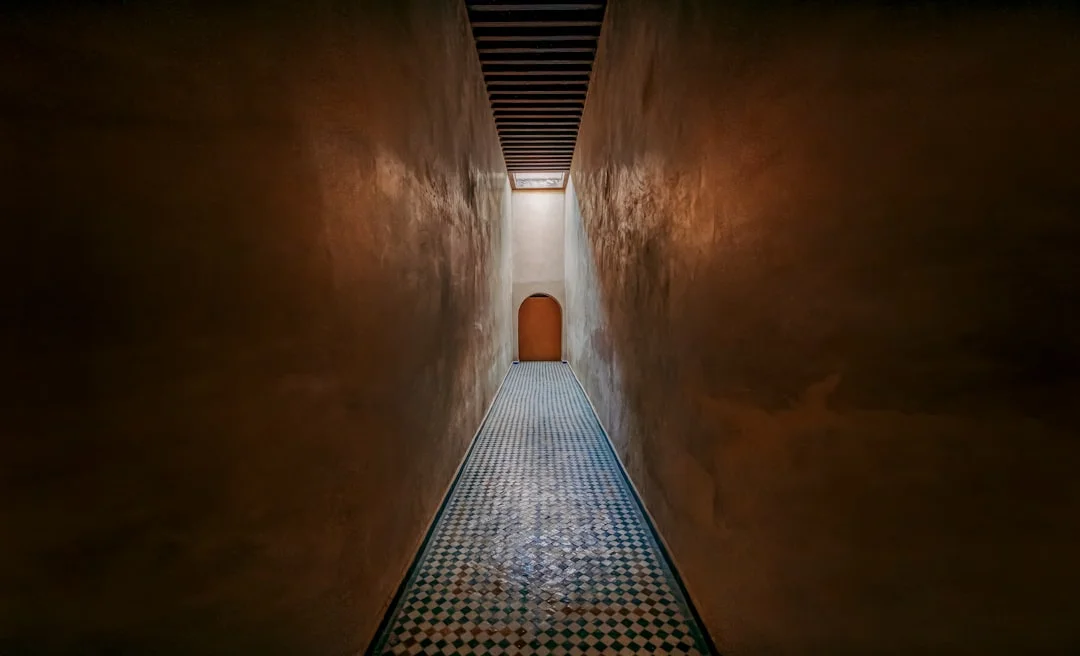
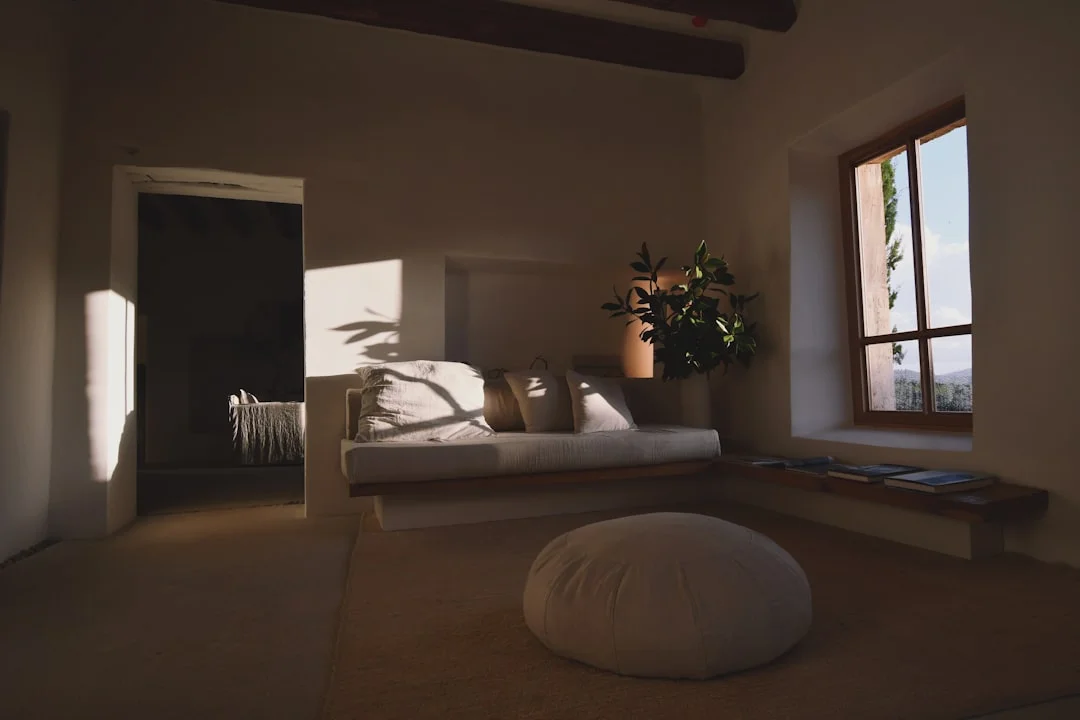
At its heart, the feeling of luck in a home is a manifestation of optimal Qi flow. Qi, often translated as vital energy or life force, is the fundamental concept. It is the invisible current that moves through landscapes, buildings, and our own bodies. A "lucky" house is one where Qi can enter, circulate smoothly, and accumulate gently, nourishing the inhabitants. When Qi is blocked, rushed, or stagnant, it creates an environment that feels draining and unsupportive. This energy flow is influenced by everything in the environment. The layout of rooms, the placement of doors and windows, the shapes and colors used, and even the arrangement of furniture all act as channels or barriers for Qi. For example, a house with a clear, unobstructed path from the front door into the living space allows Qi to enter gracefully. A home where the back door is directly aligned with the front door, however, might see Qi rush straight through without pausing to benefit the home, creating a feeling of instability. Real-life examples include a cozy reading nook by a window that feels like a natural retreat (accumulated, gentle Qi) versus a long, dark hallway that feels forbidding (stagnant or fast-flowing Qi).
Traditional Feng Shui Perspective
Classical Feng Shui offers a detailed system for diagnosing and cultivating harmonious Qi. It is not a collection of superstitions but a complex environmental science based on observation of natural patterns. The principle of Yin-Yang balance is paramount. A healthy space requires a dynamic equilibrium between these complementary forces. Yin qualities include darkness, coolness, stillness, and privacy, represented by bedrooms and bathrooms. Yang qualities encompass light, warmth, activity, and noise, found in kitchens and living rooms. A house that feels lucky masterfully balances these. A home that is all open-plan, hard surfaces, and bright light (excessive Yang) feels exhausting, while one that is too dark, closed-off, and quiet (excessive Yin) feels depressive. The goal is to create a rhythmic flow between active and restorative zones. The Five Elements theory—Wood, Fire, Earth, Metal, and Water—provides another layer of analysis. Each element represents specific qualities, shapes, colors, and materials. Their productive and controlling cycles interact within a space. A living room with a wooden floor (Wood), a red sofa (Fire), a stone fireplace surround (Earth), a metal lamp (Metal), and a black decorative bowl (Water) contains a complete, balanced cycle. An overabundance of one element, such as too much Fire (excessive red, triangular shapes, constant bright lighting), can make a space feel agitated and argumentative, disrupting the sense of luck. Qi flow and spatial harmony are meticulously assessed through the floor plan. The concept of the "commanding position" is key. This is the spot within a room diagonally farthest from and facing the door, but not in direct line with it. Placing important furniture like a bed or desk here allows the occupant to see opportunity (the door) while being supported by a solid wall, creating a subconscious sense of security and control. The symbolism of direction, based on the Lo Pan compass, also plays a role, linking areas of the home to specific life aspirations, such as career, relationships, or health, and suggesting elemental enhancements.
Modern Interpretation
Contemporary environmental psychology and design principles arrive at remarkably similar conclusions, validating ancient insights with modern language. The feeling of luck can be understood as the psychological and physiological effect of a well-designed environment on human well-being. From this perspective, good Qi flow translates to excellent air quality, natural light penetration, and intuitive circulation. Spaces that feel "stagnant" often have poor ventilation or dark corners, which can negatively impact mood and health. The Yin-Yang balance aligns with our need for both social interaction and private restoration. Open-plan living supports family connection (Yang), while the inclusion of quiet, soft-textured nooks provides necessary respite (Yin). The impact on mood and behavior is direct. A cluttered, cramped entryway (blocked Qi) can subconsciously increase stress levels the moment one enters, setting a tense tone for the entire household. Conversely, an orderly, welcoming entrance helps transition from the public to the private self, lowering cortisol levels. Productivity is influenced by the commanding position; an employee with their back to a door or a high-traffic area will naturally feel more distracted and less secure than one in a supported position. Practically, the real-life meaning of a "lucky" house is a supportive habitat. It is a home that reduces daily friction, promotes restful sleep, encourages positive family interaction, and provides a sense of sanctuary from the outside world. This stability and nourishment form the foundation upon which personal growth and opportunity—what we might call luck—can more easily flourish.
Insights
- Position your bed and desk to face the room's entrance while being against a solid wall to cultivate a subconscious sense of security and readiness for opportunity.
- Introduce living plants and natural wooden furniture to incorporate the Wood element, which promotes gentle growth and vitality throughout your home's environment.
- Ensure your primary seating arrangement in living areas facilitates face-to-face conversation to encourage harmonious social interaction and strong family connections.
- Keep the pathway from your front door clear of clutter and obstacles to allow energy and opportunities to enter your home without resistance.
- Balance active, brightly lit spaces with softer, dimmer areas to create a natural rhythm between daytime energy and evening relaxation within your floor plan.
Conclusion
The feeling of luck in a house is not a mystical accident but the tangible result of intentional design aligned with timeless principles. It emerges from the harmonious interplay of energy flow, elemental balance, and psychological comfort. Whether viewed through the classical lens of Feng Shui or the modern understanding of environmental psychology, the conclusion is the same: our spaces profoundly shape our experience. By thoughtfully arranging our environments to promote smooth circulation, balanced aesthetics, and supportive layouts, we move beyond mere decoration to create homes that actively nurture well-being. In doing so, we build a foundation of stability and peace, making the home itself a source of strength and, ultimately, a catalyst for the prosperity we often attribute to luck.