A pervasive sense of unease, a chill that seems unrelated to temperature, or a persistent feeling of being watched—these are experiences some attribute to a "haunted" house. While popular culture offers supernatural explanations, the ancient systems of Feng Shui and traditional environmental wisdom provide a different, more tangible framework. These traditions suggest that the feeling of haunting often stems not from ghosts, but from the tangible, measurable energy dynamics of a space. This article explores how architectural layouts, environmental imbalances, and stagnant energy flows can create psychological and sensory effects that are interpreted as paranormal.
Core Concept
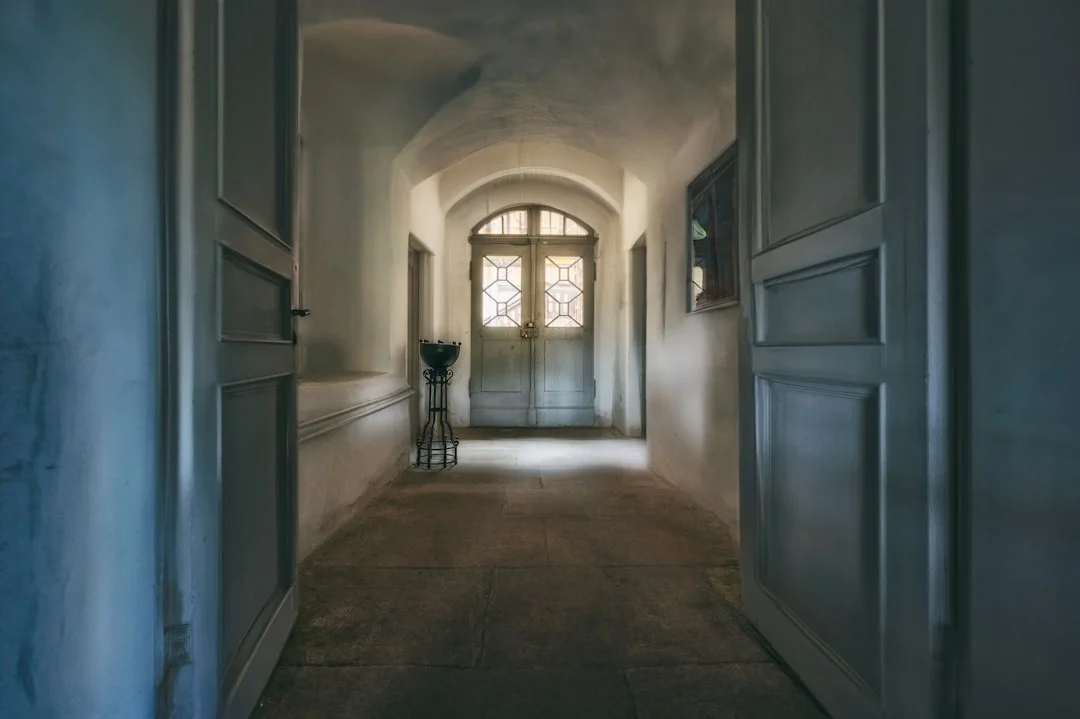
At the heart of this phenomenon is the concept of Qi, or vital life force energy. In a balanced environment, Qi flows smoothly, like a gentle breeze or a meandering stream, nurturing vitality and a sense of well-being. A space that feels "haunted" is often one where this energy has become stagnant, corrupted, or excessively draining. This is not a mystical assertion but an observation of environmental atmosphere. Stagnant Qi accumulates in unused, dark, or cluttered corners, creating pockets of dense, heavy air that can feel oppressive. Conversely, Qi that moves too violently—rushed through long, straight hallways or sliced by sharp architectural features—can feel aggressive and unsettling. Consider real-life examples: a historic home with many small, dark rooms and narrow, labyrinthine corridors often feels more "charged" than an open-plan modern loft. A basement that is damp, rarely visited, and filled with stored clutter almost universally evokes a sense of discomfort. An apartment situated at the end of a long, straight T-junction road may feel perpetually under assault from the rushing energy of traffic. These environments don't require ghosts to feel haunted; their physical structure directly creates a psychological experience of unease, isolation, or anxiety.
Traditional Feng Shui Perspective
Classical Feng Shui analyzes the feeling of a space through the precise lenses of Yin-Yang balance and the Five Elements theory. A "haunted" feeling is typically a severe manifestation of Yin dominance. Yin qualities are dark, cold, still, quiet, and passive. While necessary for rest, an overabundance creates stagnation. Houses shrouded by large trees, built in deep hollows, or with north-facing entrances receiving little sunlight can become excessively Yin. This imbalance makes a space feel withdrawn from life, lethargic, and emotionally heavy, which can be perceived as a melancholic or ghostly presence. The Five Elements—Wood, Fire, Earth, Metal, and Water—also play a critical role. An environment dominated by the Water element (excessive black/blue colors, actual water features, or wavy, irregular shapes) without the balancing warmth of Fire can feel emotionally cold and isolating. Too much Metal (excessive white/gray, hard metallic surfaces, domed ceilings) can create a sterile, austere, and emotionally detached atmosphere. The interaction, or "cycle," of these elements is crucial. A house with a history of fire (extreme Fire) that was subsequently abandoned (Earth element, representing stagnation) can symbolically hold the energy of traumatic transformation and neglect. Qi flow is meticulously mapped through concepts like the "Flying Stars" and the "Bagua." Certain sectors of a home associated with loss, illness, or hidden troubles, if compounded by poor architectural features, can become reservoirs of negative Qi. Symbolism is paramount: a house with a front door that directly aligns with a back door or large rear window is said to allow Qi to rush straight through without lingering to nourish the home, creating a feeling of emptiness and instability. Staircases facing the main entrance, especially spiral ones, are seen as drilling negative energy into the heart of the dwelling.
Modern Interpretation
Environmental psychology provides a scientific corollary to these ancient observations. It confirms that spatial design directly impacts human cognition, emotion, and physiology. A "haunted" feeling can be understood as a heightened stress response triggered by specific environmental cues. Poor lighting, especially a lack of natural light, disrupts circadian rhythms and is linked to depression and anxiety. Persistent low-frequency sound vibrations (infrasound) from wind, traffic, or appliances, though inaudible, can cause feelings of dread, nausea, and the sensation of being watched—symptoms commonly reported in "haunted" locations. The impact on mood and behavior is profound. Clutter and disorganization overwhelm the visual cortex, increase cortisol levels, and create a background sense of loss of control. Asymmetrical or maze-like layouts subconsciously keep the brain in a state of mild alert, as it cannot easily map its surroundings for safety. Cold drafts, sudden temperature drops, and poor air quality (high CO2, mold spores) trigger primal discomfort and a desire to flee. These are not supernatural events but physiological reactions to a suboptimal environment. In practical terms, a house that "feels haunted" often directly undermines lifestyle and productivity. It discourages social gathering, hampers restful sleep, and fosters a general sense of lethargy or irritability among inhabitants. The modern interpretation is that we are not sensing ghosts, but rather the architecture's failure to support basic human needs for safety, clarity, comfort, and connection. Restoring a sense of "home" involves addressing these very tangible, physical deficiencies.
Insights
- Stagnant air and poor ventilation in unused rooms create a palpable sense of heaviness that the mind can interpret as a lingering, unwelcome presence.
- Introducing warm lighting and balanced airflow into dark, cold corners can dramatically shift the emotional tone of a space from foreboding to tranquil.
- Rearranging furniture to create clear, meandering pathways allows energy and movement to flow gently, eliminating pockets of eerie stillness.
- Repairing creaking floorboards, dripping taps, and rattling windows removes subconscious triggers that keep the nervous system in a state of unease.
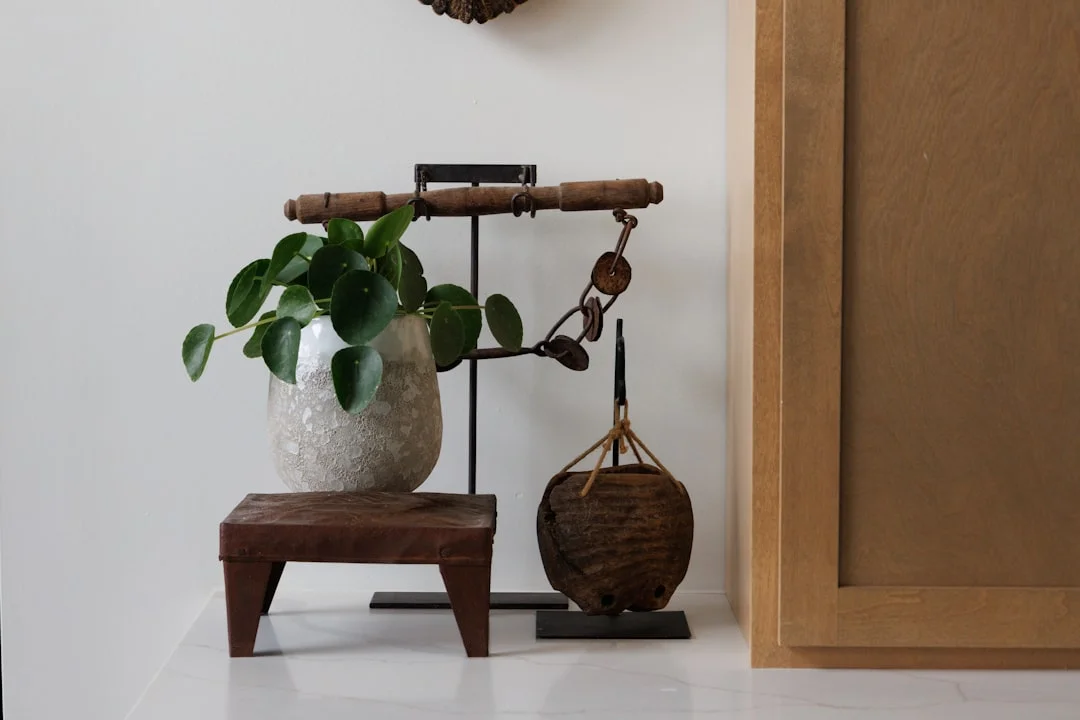
- Incorporating living plants and natural materials like wood and stone reintroduces the vibrant, nurturing energy of life into a stagnant environment.
Conclusion
The feeling that a house is haunted is a powerful human experience, but its roots may be more environmental than supernatural. Through the lens of Feng Shui and environmental psychology, these sensations are decoded as responses to imbalances in light, air, sound, layout, and symbolic order. A "haunted" house is typically one suffering from severe Yin stagnation, chaotic or draining Qi flow, and elemental discord. Modern understanding confirms that these conditions genuinely affect our mental state and well-being. The solution, therefore, lies not in exorcism but in thoughtful environmental adjustment—bringing in light, encouraging clean air movement, creating harmonious layouts, and introducing elements of warmth and life. By doing so, we transform a space of unease into one of nourishment and peace, demonstrating that the most powerful change often begins with the space we inhabit.