The spaces we inhabit are far more than passive containers for our lives; they actively participate in shaping our daily experiences, moods, and opportunities. While financial success stems from a complex web of actions, skills, and timing, the environment we call home can significantly influence the mindset, energy, and behaviors that foster prosperity. From the ancient lens of Feng Shui to modern environmental psychology, the arrangement and quality of our living spaces can either support or hinder the flow of abundance into our lives. This exploration delves into the principles that make a home a conducive partner for financial well-being.
Core Concept
At its heart, the idea that a home can attract financial success revolves around the concept of Qi, or vital life force energy. A home that attracts prosperity is one where Qi can enter, circulate freely, accumulate gently, and not drain away. This is not about magical thinking, but about creating an environment that subconsciously supports clarity, confidence, and decisive action—key ingredients for financial opportunity. Think of Qi like air circulation or traffic flow. A home with a cluttered, dark entrance, blocked pathways, and stagnant corners is like a city with gridlocked streets and poor ventilation; nothing new can arrive easily, and what is there becomes stale. Conversely, a home with a clear, welcoming entrance, open and functional pathways, and vibrant, well-maintained spaces allows for smooth movement. This translates to an environment where new ideas, opportunities, and resources can flow to the inhabitants. A real-life example is the contrast between a home office buried in clutter and disarray versus one that is organized, has a solid desk positioned to see the door, and receives good natural light. The latter environment supports focused work and a professional mindset, directly impacting one's capacity to generate income.
Traditional Feng Shui Perspective
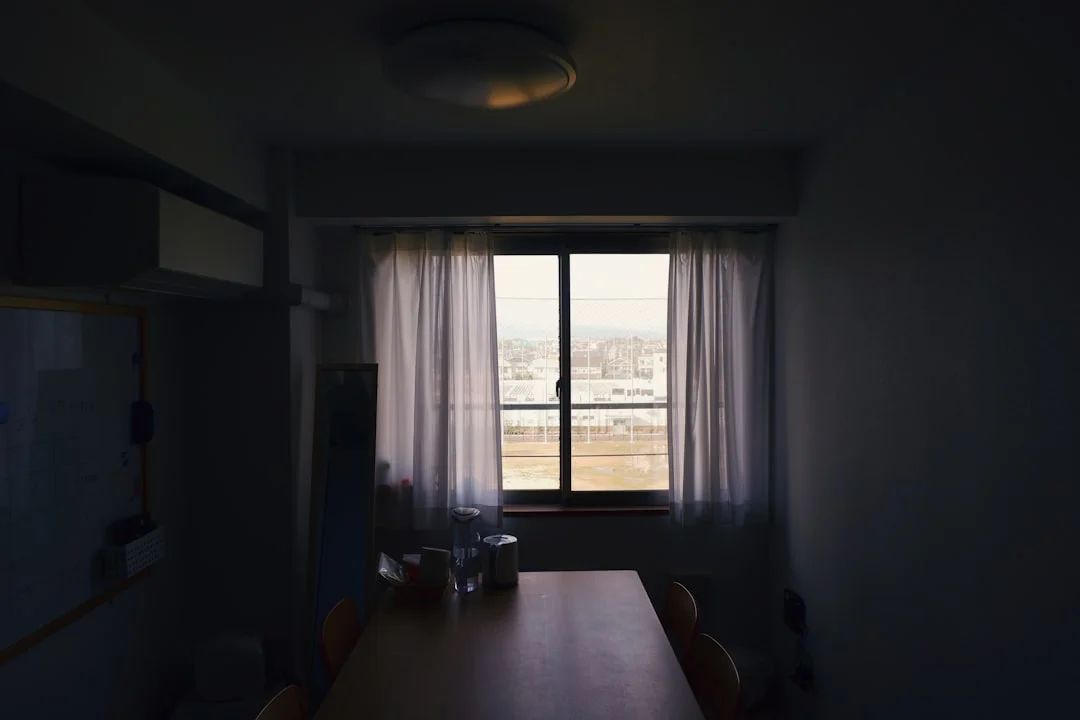
Classical Feng Shui provides a sophisticated framework for analyzing how a home's design interacts with the energies of prosperity. It views financial success as a manifestation of balanced, nourishing, and vibrant Qi, governed by specific principles. The Yin-Yang balance is crucial. A home overly Yin (dark, cold, quiet, inactive) can lead to stagnation and lack of motivation. A home overly Yang (bright, hot, noisy, chaotic) can cause burnout and poor financial decisions. A prosperous home finds harmony: active, well-lit social areas (Yang) balanced with calm, restorative bedrooms (Yin), ensuring residents have both the energy to pursue goals and the peace to plan wisely. The Five Elements theory—Wood, Fire, Earth, Metal, Water—plays a direct role. Wealth and abundance are traditionally associated with the Wood element (growth, expansion) and the Water element (flow, resources). However, balance is key. A healthy "cycle of production" must be nurtured: Water nourishes Wood (resources fuel growth), Wood feeds Fire (growth creates passion and opportunity), Fire creates Earth (passion leads to stability), Earth bears Metal (stability yields precision and value), and Metal collects Water (value attracts resources). A home lacking Wood or Water elements, or one where elements clash—such as too much Fire (red, triangular shapes) "melting" Metal (white, metallic objects)—can disrupt the energetic support for abundance. Qi flow and spatial harmony are analyzed through the floor plan. The front door, considered the "Mouth of Qi," is paramount. It should be inviting, unobstructed, and open into a clear, spacious area to allow Qi to settle and disperse gently. The kitchen, symbolizing nourishment and resource management, should be clean and functional. The wealth area of a home, often located in the southeast sector according to the Bagua map, benefits from being active, clean, and enhanced with Wood element items (like healthy plants) or Water elements (like a small fountain), symbolizing the growth and flow of resources.

Modern Interpretation
Contemporary environmental psychology and design thinking affirm many of these ancient intuitions with scientific rationale. Our surroundings have a profound psychological impact, influencing our stress levels, cognitive function, and behavior—all of which directly affect our financial competence. A cluttered, disorganized environment is cognitively taxing. It increases cortisol levels, reduces focus, and wastes mental energy on processing chaos, leaving less capacity for strategic thinking and opportunity recognition. A well-organized space reduces cognitive load, promoting mental clarity necessary for sound financial decisions. Natural light exposure regulates circadian rhythms, improves mood and sleep quality, and boosts overall vitality and productivity. A dark, artificially lit home can contribute to lethargy and depression, undermining the drive needed to advance one's financial position. Furthermore, the symbolism of our space shapes our self-perception. A dedicated, professional-feeling home office subconsciously reinforces one's identity as a capable earner. A comfortable, inviting living room that facilitates social connection can directly lead to networking opportunities. The sense of control, order, and beauty in one's home fosters a foundational sense of security and self-efficacy, which is the bedrock upon which financial risk-taking and investment are built. In this light, a "prosperous" home is one that functionally and psychologically supports the habits, mindset, and social interactions that lead to financial growth.
Insights
- Maintaining a completely clutter-free and functional main entrance directly influences your subconscious readiness to receive new opportunities and resources into your life.
- Integrating the Wood element, such as with healthy green plants or vertical lines in decor, actively supports the psychological energy for growth, expansion, and new beginnings in your career or projects.
- Positioning your primary work desk so you have a solid wall behind you and a clear view of the room's entrance can significantly reduce subconscious anxiety and increase feelings of stability and control.
- Ensuring your kitchen is clean, with working appliances and organized storage, subconsciously reinforces your ability to manage and nurture your personal and financial resources effectively.
- Balancing social, active Yang spaces with private, restorative Yin spaces in your home prevents burnout and maintains the sustained energy required for long-term financial pursuits.
Conclusion
A home that attracts financial success is ultimately a home that supports the success of its inhabitants. It is a holistic environment where ancient principles of energy flow and elemental balance converge with modern understandings of psychology and behavior. By intentionally creating spaces that allow for the clear flow of energy, that balance activity with rest, and that symbolically and functionally support growth and resource management, we craft an ally in our financial journey. Prosperity, in this context, is not a mysterious force drawn in by trinkets, but a natural outcome of living in an environment that cultivates clarity, confidence, and the capacity to act. The most potent financial adjustment one can make may begin not with a new investment, but with a thoughtful look at the front door and the space within.