In the intricate art of Feng Shui, the environment is understood as a living, breathing entity. While mountains, water, and furniture placement often capture initial attention, the movement of air is a fundamental yet subtle force that shapes the quality of a space. Air flow is the primary vehicle for Qi, the vital life force that animates all things. It is not merely about physical ventilation but about how energy circulates, gathers, and disperses within our homes and workplaces. Proper air flow ensures that Qi remains fresh, vibrant, and beneficial, while stagnant or chaotic air patterns can lead to depleted or harmful energy. This article explores the critical role of air flow, from its classical foundations to its modern psychological implications, revealing how the invisible currents around us profoundly influence our well-being.
Core Concept
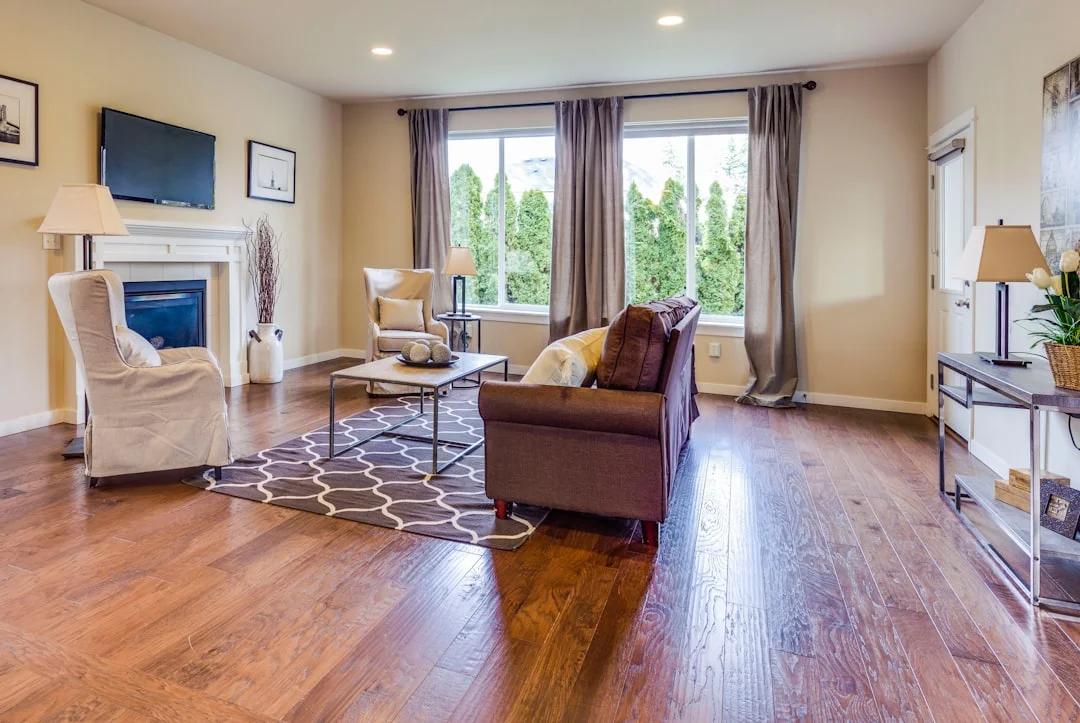
At its heart, air flow in Feng Shui represents the movement and quality of Qi. Qi is the intangible energy that flows through everything, and air is its most direct carrier. The concept goes beyond simple physical wind to encompass the pathways and quality of energy circulation within a confined environment. This element represents the breath of a building. Just as living beings require steady, clean breath to thrive, a space needs balanced air flow to sustain healthy energy. It influences Qi by determining whether energy moves in a smooth, meandering pattern known as "Sheng Qi" or becomes stuck as "Si Qi" (stagnant energy) or harsh and cutting as "Sha Qi" (killing energy). The goal is to achieve a gentle, continuous flow that nourishes every corner without rushing directly through or becoming trapped. Real-life examples are abundant. A long, narrow hallway with doors at both ends often creates a wind tunnel effect, where air and Qi rush through too violently, destabilizing the space. Conversely, a room with only one small window, heavy furniture blocking corners, and clutter piled high exemplifies stagnant air flow, where dust settles and energy becomes stale. A well-designed living room with multiple but not directly opposing windows, allowing for cross-ventilation without a direct straight-line draft, demonstrates the ideal of nurturing, circulating Qi.
Traditional Feng Shui Perspective
From the classical viewpoint, air flow is analyzed through the lenses of Yin-Yang balance, the Five Elements, and the specific pathways of Qi. Masters would observe the natural landscape and architectural forms to understand how wind shaped the energy of a site before a single stone was laid. The Yin-Yang balance in space is directly affected by air movement. Stagnant, still air is overly Yin—it is passive, cold, and lacking in vitality. Excessively strong, howling drafts are overly Yang—they are aggressive, disruptive, and scattering. Healthy Feng Shui seeks the balance between the two: enough movement to prevent stagnation (Yang) but gentle enough to allow energy to settle and accumulate (Yin). A room should feel alive but not chaotic, calm but not dead. The Five Elements theory also interacts with air flow. The element of Wind is traditionally associated with the Wood element, which governs growth, expansion, and new beginnings. However, the quality of the air can shift its elemental influence. Dry, hot air currents may introduce Fire element characteristics, while damp, cold stagnant air can evoke Water or excess Earth. The objective is to maintain a Wood-element quality of gentle, nurturing movement that supports growth and health without letting other elements become dominant through poor air conditions. Qi flow and spatial harmony are the ultimate objectives. Classical Form School Feng Shui emphasizes protecting a site from harsh winds while capturing beneficial breezes. This is often described using the metaphor of "holding water and gathering wind." The ideal site is nestled in a protective embrace of landforms that block harsh "killing winds" but is open enough to welcome gentle "living winds" that carry good Qi. Inside a home, the arrangement of doors, windows, and interior walls should guide Qi in a meandering, graceful flow through all rooms, allowing it to linger in key gathering areas like the living room before gently moving on. The symbolism of layout is clear: doors and windows are considered the "mouths" and "eyes" of a building through which it breathes. Their placement, size, and relationship to each other dictate the building's respiratory health. A front door directly aligned with a back door or large window symbolizes Qi entering and rushing straight out without benefiting the inhabitants, akin to wealth and opportunity passing straight through one's hands.
Modern Interpretation
Modern environmental psychology and building science provide a compelling parallel to these ancient principles, framing air flow in terms of its direct impact on human cognition, mood, and physiology. The environmental psychology of air flow is significant. Scientifically, fresh air circulation reduces carbon dioxide levels, increases oxygen, and removes airborne pollutants and allergens. Psychologically, spaces with good air quality and gentle natural ventilation are consistently associated with improved mood, higher levels of concentration, and reduced feelings of lethargy or anxiety. Stagnant, stuffy air can lead to mental fog, irritability, and a sense of being physically and mentally "stuck," mirroring the Feng Shui concept of stagnant Si Qi. The impact on behavior and productivity is measurable. Studies in workplace environments show that controlled ventilation and good air quality correlate with significantly better cognitive performance, fewer sick days, and higher overall productivity. A home office with a window that opens to fresh air, for instance, supports clearer thinking and sustained focus, translating the ancient benefit of Sheng Qi into modern performance metrics. Conversely, a basement apartment with poor circulation can contribute to feelings of depression and low motivation. On a practical lifestyle level, the modern interpretation focuses on creating a healthy and comfortable living environment. It moves the discussion from mystical energy to tangible well-being. Using air purifiers, humidifiers, or dehumidifiers to balance air quality is a contemporary method of managing "Qi." The conscious act of opening windows daily to refresh a room is a ritual that clears out old energy, both literally and metaphorically. The placement of fans to ensure gentle circulation in dead corners, or the use of wind chimes to subtly break up and soften direct drafts, are practical applications that serve both aesthetic and functional purposes, aligning modern sensibilities with traditional wisdom.
Insights
- To counteract stagnant energy in a cluttered corner, introduce a small circulating fan or ensure a pathway for air to move gently through the space, which can uplift the mood and feel of the entire room.
- Avoid arranging your primary desk or bed in the direct path of a strong air current from a vent or window, as this can lead to restless sleep and an inability to focus during work.
- Regularly airing out your home by opening opposite windows for short periods creates a complete flush of fresh air, symbolically and physically resetting the energy of your living environment.
- Incorporate light, flowing fabrics like curtains or sheer drapes at windows to help soften incoming air currents and prevent beneficial Qi from escaping too rapidly.
- Be mindful of the acoustic quality of air flow, as the unpleasant whistle of a draft or the complete silence of dead air can be as impactful on your subconscious as the physical sensation itself.
Conclusion
Air flow serves as the essential circulatory system for energy within the practice of Feng Shui. It is the dynamic medium through which Qi travels, making its management crucial for transforming a static structure into a vibrant, supportive home. The traditional perspective provides a sophisticated framework for understanding energy pathways, balancing Yin and Yang, and harmonizing the Five Elements through the movement of air. The modern interpretation validates this intuition through the lens of environmental psychology, demonstrating how fresh, balanced ventilation directly enhances our mental clarity, emotional stability, and physical health. Ultimately, whether one approaches it as an ancient art or a science of well-being, attending to the air we live within is a profound step toward creating spaces that truly nurture and sustain us. By mindfully managing air flow, we ensure our environments are not just shelters, but active participants in our daily vitality.