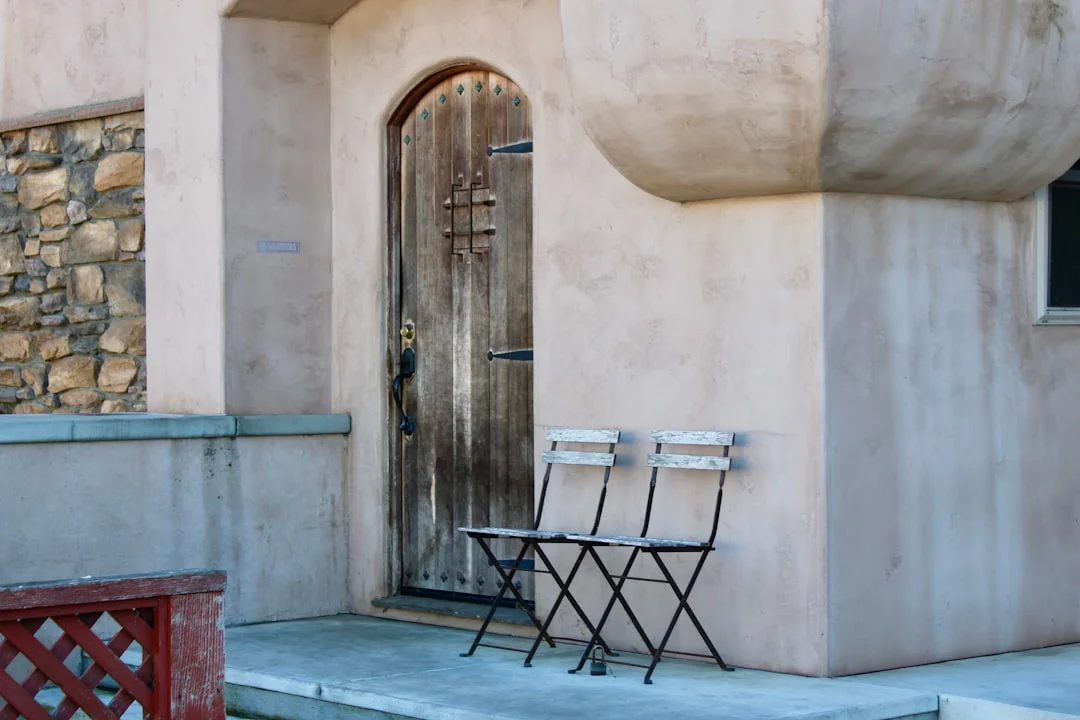
The entrance to a home is more than a physical threshold; it is the primary portal through which energy, or Qi, enters and establishes its initial impression upon the interior space. In the art of Feng Shui, this area is known as the "Mouth of Qi," setting the tone for the entire household's atmosphere. Selecting appropriate plants for this crucial zone is not merely a decorative choice but a strategic intervention to welcome, filter, and guide beneficial energy. The right greenery can act as a guardian, a harmonizer, and a vibrant invitation, transforming the entry from a simple passage into a curated space of transition and positive potential.
Core Concept
The entrance represents the interface between the public world and the private sanctuary of the home. It is the point of first contact, where external Qi is gathered and directed inward. The energy here influences the immediate feeling of welcome, safety, and vitality that permeates the rest of the living environment. A well-maintained entrance with harmonious elements suggests a receptive and cared-for home, which in turn attracts supportive energy. In practical terms, the plants placed here directly influence this energy flow. They can block harsh, direct lines of force from pathways, soften architectural edges, and introduce a living, growing element that signifies life and prosperity. For example, a sparse, dark entryway may feel unwelcoming and cause energy to stagnate, while a cluttered one with thorny or dead plants can create chaotic or hostile Qi. Conversely, a balanced entry with healthy, appropriate plants promotes a smooth, uplifting transition from outside to inside, affecting the mood and mindset of everyone who crosses the threshold.
Traditional Feng Shui Perspective
From a classical standpoint, entrance Feng Shui is governed by principles of Yin-Yang balance, the Five Elements, and the unimpeded yet gentle flow of Qi. The Yin-Yang balance here is dynamic. The entrance needs a measure of Yang energy—activity, light, and vibrancy—to attract Qi and signify an active, engaged household. However, it must not be overly Yang, which would be chaotic. Plants introduce the nurturing, receptive Yin quality of nature, softening the space and providing a balanced, grounded feeling. The ideal is a harmonious blend where the vibrant life force of the plants (Yang) is contained within their organic, growing forms (Yin). The Five Elements theory is paramount in plant selection. Wood is the inherent element of all plants, promoting growth, vitality, and kindness. However, the plant's shape, color, and container can introduce other elements to create a supportive cycle. Rounded, leafy plants emphasize Wood. Plants with red or pink flowers introduce the Fire element, which is fueled by Wood in the productive cycle, symbolizing passion and recognition. Using a ceramic pot (Earth) or a metal container (Metal) can further tailor the elemental balance. The key is to avoid creating destructive cycles at the entrance; for instance, an excess of spiky, cactus-like plants (an overly sharp expression of Wood) can metaphorically "cut" the arriving Qi. Qi flow must be considered spatially. Plants should guide energy inward, not block it. They are best placed to the sides of the door, framing the entrance rather than obstructing the central pathway. Their symbolism is also crucial. Plants with upward-growing, rounded leaves are favored as they symbolize upward growth and gathering energy. Plants known for their resilience and evergreen qualities symbolize enduring prosperity and protection.

Modern Interpretation
Contemporary environmental psychology provides a parallel understanding of why entrance plants are so impactful. The entryway sets the stage for cognitive and emotional decompression, marking the shift from the public professional self to the private personal self. The impact on mood and behavior is immediate. Lush, healthy greenery at the entrance reduces stress by providing a visual connection to nature, a concept known as biophilia. This subtle cue tells the subconscious that a place of restoration lies ahead. It can lower heart rate and reduce feelings of anxiety before one even steps fully inside. For visitors, it creates a positive first impression, subconsciously associating the home with vitality and warmth. In terms of lifestyle influence, maintaining welcoming entrance plants encourages mindfulness and care for one's personal environment. The act of tending to them reinforces a sense of responsibility and connection to the home. Furthermore, a clearly defined, attractive entrance can improve daily transitions, making coming home feel more like a deliberate, positive ritual rather than just a routine passage. It enhances the sense of territorial identity, making residents feel more grounded and visitors feel more respectfully received.
Insights
- Select plants with soft, rounded, and upward-growing leaves to gently guide positive energy inward without creating visual aggression or obstruction.
- Always prioritize plant health and vitality, as wilted or dying greenery at the entrance symbolizes stagnant energy and neglect to all who enter.
- Frame your doorway symmetrically with matching pots and plants to create a balanced, welcoming visual that promotes harmonious energy flow.
- Incorporate a subtle touch of the Fire element, such as a plant with red-edged leaves or a terracotta pot, to activate warmth and social recognition.
- Ensure the entry pathway remains clear and navigable, using plants to define the space rather than clutter it, supporting both practical movement and energetic circulation.
Conclusion
Choosing plants for entrance Feng Shui is an art that blends natural beauty with intentional design. It moves beyond superstition into the realm of creating conscious environments. By applying the traditional wisdom of Qi flow, elemental balance, and symbolic meaning, and supported by modern insights into environmental psychology, we can curate an entryway that does more than decorate. It becomes an active participant in shaping the home's atmosphere, a living filter that welcomes beneficial energy, and a daily reminder of the growth and vitality we wish to cultivate within our personal spaces. The right plant at the threshold serves as both a guardian and an invitation, setting a prosperous and peaceful tone for everything that lies beyond it.