Lighting is the lifeblood of a room, transforming inert space into a living environment. In the living room, where families gather, guests are welcomed, and relaxation occurs, lighting choices carry profound significance beyond mere illumination. From a Feng Shui perspective, light is a primary activator of Qi, the vital life force that flows through our homes. The quality, placement, and color of light directly influence this energy, shaping the atmosphere and affecting the well-being of occupants. Selecting the right lighting is therefore not just an interior design decision but a strategic act of environmental cultivation, balancing aesthetic appeal with energetic harmony to create a space that truly supports and nurtures.
Core Concept
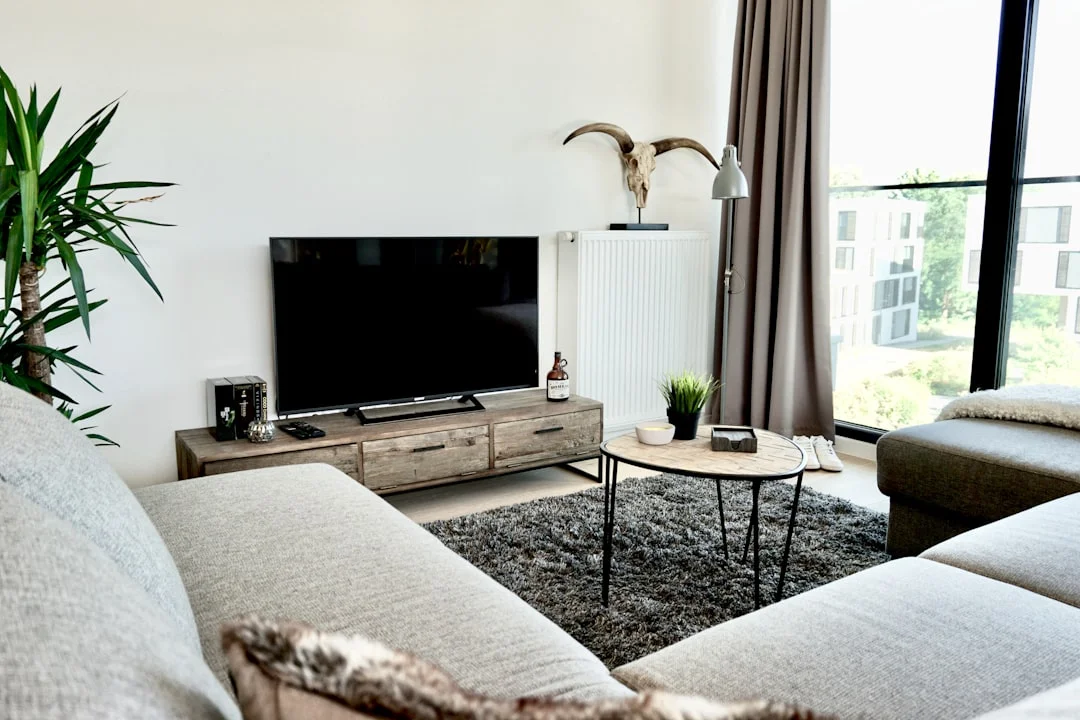
In Feng Shui, lighting is fundamentally understood as a manifestation of the Fire element and a powerful tool for manipulating Yang energy. Light represents consciousness, activity, warmth, and social interaction. Its primary role is to guide and enhance the flow of Qi, ensuring it moves smoothly and beneficially throughout the living room. Proper lighting prevents energy from becoming stagnant in dark corners or overly aggressive in harshly lit areas. It acts as a visual and energetic anchor, defining functional zones within an open space and setting the emotional tone for different activities. A well-lit living room, according to these principles, is one where the energy feels alive yet comfortable, bright but not glaring, and layered rather than monotonous. For instance, a room relying solely on a single, overpowering central ceiling light creates a flat, intense energy that can feel oppressive and hinder relaxed conversation. Conversely, a living room illuminated by a combination of ambient, task, and accent lighting—such as floor lamps, table lamps, and subtle wall washers—creates a dynamic and inviting energy field. This layered approach mimics the natural interplay of sunlight and shadow, fostering a more harmonious and human-centric environment where Qi can circulate with gentle vitality.
Traditional Feng Shui Perspective
The classical approach to living room lighting is deeply rooted in the dynamic balance of Yin and Yang and the productive cycles of the Five Elements. The goal is never to achieve maximum brightness, but to create an intelligent, responsive luminous environment. Yin-Yang balance is paramount. The living room is typically a Yang space—meant for activity and social interaction—but it must contain pockets of Yin for true balance. Lighting should reflect this. Overly bright, cold, or direct lighting is excessively Yang, leading to agitation and tension. Insufficient light is overly Yin, promoting lethargy and low mood. The ideal is a blend: sufficient overall ambient light (Yang) softened and complemented by pools of warmer, diffused light from lamps (Yin). This balance ensures the space is energizing for gatherings yet can be modulated for quiet, restorative evenings. The Five Elements theory provides a framework for choosing light fixtures and light quality. Light itself is Fire, bringing passion, warmth, and recognition. The materials of the fixtures introduce other elements. A wooden floor lamp brings the Wood element, which feeds and strengthens the Fire of the light, creating an expansive, growth-oriented energy. A metal-based spotlight introduces the Metal element, which in moderation can bring precision and clarity, but in excess can drain the Fire (Metal controls Fire in the controlling cycle). Crystal or glass elements in a chandelier introduce the Water element, which needs careful balancing as Water controls Fire. The shapes also matter: upward-pointing lights (Yang) stimulate energy, while downward-shaded lights (Yin) calm it. Qi flow is directly guided by light. Dark corners are where Qi stagnates, potentially creating "dead zones" that can subtly drain a room's vitality. Strategic placement of a floor lamp or artwork light can resurrect this Qi. The path from the living room entrance inward should be gently illuminated to welcome and guide energy into the space. Fixtures with sharp, angular designs can create "poison arrows" or cutting Qi, whereas rounded, organic shapes promote a smoother flow. Ultimately, lighting should make the room feel coherent, inviting, and energetically whole, with no area feeling neglected or assaulted by light.
Modern Interpretation
Contemporary environmental psychology and design principles strongly echo these ancient concepts, validating them through the lens of human perception and neurobiology. Modern understanding confirms that lighting is a critical determinant of mood, cognitive function, and social behavior. From an environmental psychology standpoint, lighting influences our subconscious perception of a space. Bright, cool-white light stimulates alertness and is associated with task performance, which is why it is common in offices. In a living room, this type of light can inhibit relaxation and intimate conversation. Warm, dimmer light triggers the parasympathetic nervous system, encouraging relaxation and social bonding. The modern concept of "layered lighting"—using ambient, task, and accent lights—is a direct parallel to the Feng Shui pursuit of Yin-Yang balance, allowing occupants to customize the environment for different psychological needs throughout the day. The impact on mood and behavior is measurable. Harsh overhead lighting can increase stress hormones and reduce feelings of comfort and safety. In contrast, multiple lower-level light sources reduce eye strain, minimize harsh shadows on faces during conversation, and create a sense of intimacy and enclosure. This directly affects lifestyle, making the living room a more desirable place for family connection and personal unwinding. A room with flexible, warm lighting supports the transition from the high-stimulus outside world to a sanctuary of rest, thereby influencing overall household well-being and reducing daily stress. Practically, this means choosing dimmer switches, favoring warm color temperatures (2700K-3000K), and using lampshades to diffuse light, creating a space that feels genuinely welcoming and supportive of modern life's rhythms.
Insights
- Always incorporate dimmer switches to gain precise control over the Yang energy in the room, allowing you to adjust the atmosphere for lively parties or quiet relaxation with ease.
- Place a pair of balanced table lamps on either side of a sofa to create symmetrical, welcoming energy that supports harmonious communication and relationship stability.
- Clean light fixtures and windows regularly to ensure the quality of light remains clear and vibrant, preventing dull, stagnant Qi from accumulating in the room.
- Use a combination of upward-facing lights to lift the energy of high ceilings and downward-shaded lamps to create intimate, grounded pools of light for seating areas.
- Introduce lighting in dark corners, such as behind a large plant, to activate stagnant Qi and ensure a continuous, nourishing flow of energy throughout the entire space.
Conclusion
The best lighting for living room Feng Shui is not about finding a single perfect fixture, but about crafting a holistic luminous environment. It is an intentional practice of balancing active Yang and restorative Yin energies, thoughtfully engaging the Five Elements through fixture design, and consciously guiding the flow of Qi. This ancient wisdom finds its confirmation in modern environmental psychology, which recognizes the profound impact of light on human emotion and social interaction. By moving beyond simple illumination to embrace layered, warm, and flexible lighting, we transform the living room from a merely functional area into a dynamic sanctuary. Such a space actively supports well-being, fosters connection, and becomes a true heart of the home, energized by light that is as intelligent as it is beautiful.