The entryway, or foyer, serves as the threshold between the outer world and your private sanctuary. It is the first interior space encountered, making its layout critically important for setting the tone for the entire home. In both traditional Feng Shui and modern environmental psychology, this transitional area is seen as the mouth of Qi, where energy is gathered and directed inward. A well-designed entryway welcomes positive influences, provides a sense of security, and facilitates a smooth transition from public to private life. This article explores the principles for creating an optimal entryway layout, harmonizing ancient wisdom with contemporary understanding of space.
Core Concept
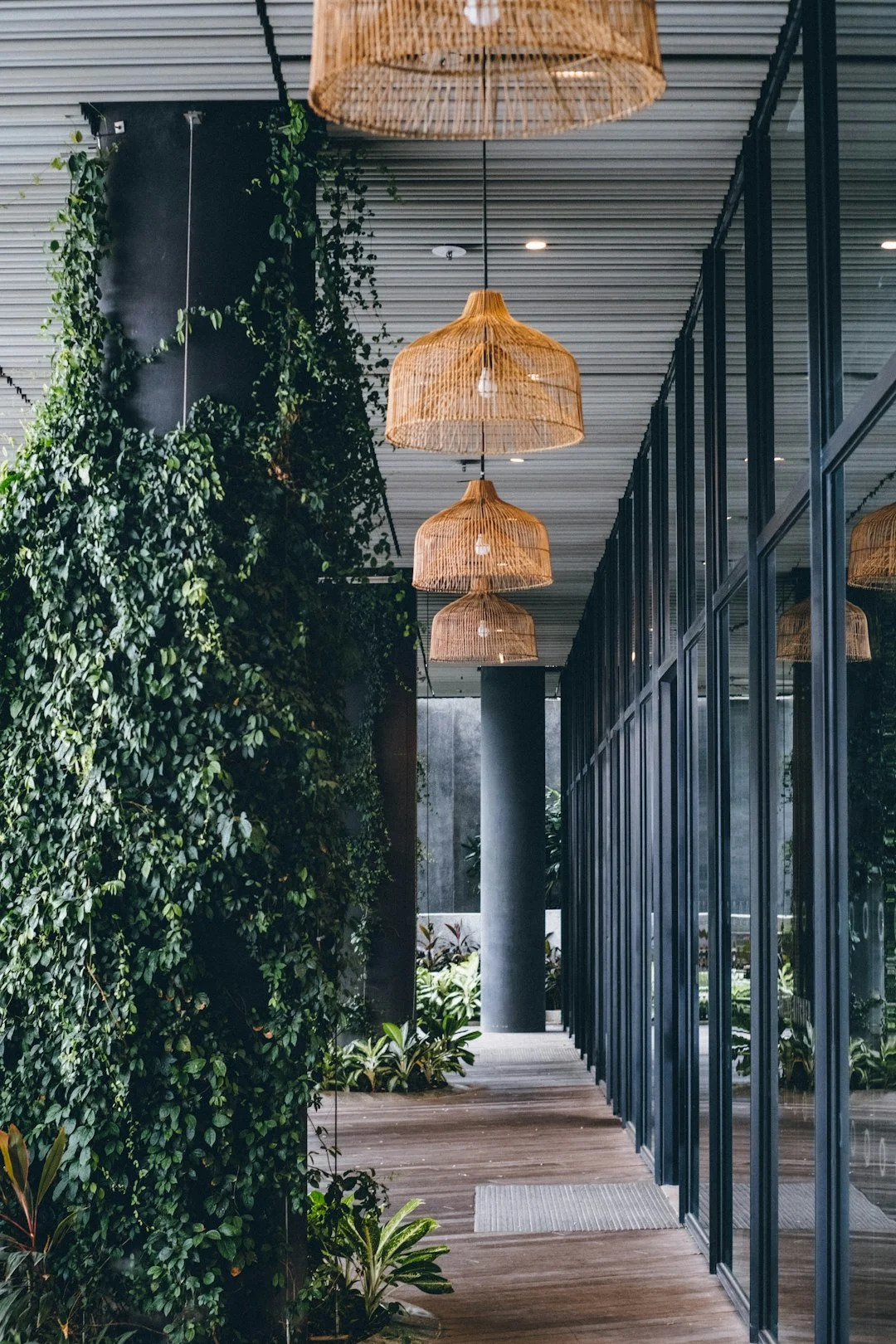
In Feng Shui, the entryway is known as the "Mouth of Qi." It represents the primary point where external energy, or Qi, enters and is distributed throughout the home. This space functions as a filter and a conductor, determining whether the incoming energy will be beneficial or disruptive. Its layout directly influences the first impression, the sense of arrival, and the subsequent flow of movement and atmosphere within the dwelling. How it influences energy is straightforward. A cluttered, dark, or cramped entryway constricts Qi, causing it to become stagnant or turbulent. This can manifest as a feeling of being overwhelmed upon entering or difficulty in transitioning from work to home life. Conversely, an open, bright, and orderly entryway allows Qi to meander in a gentle, nourishing manner, promoting feelings of calm and readiness. Real-life examples illustrate this clearly. Consider a home where the front door opens directly into a busy living room with no defined transition. This often leads to a sense of chaos, where outside stresses feel immediately brought inside. In contrast, an entryway with a small bench, a defined path, and a view into the home (but not a direct line through it) creates a moment of pause and reception, allowing one to shed the outside world mentally before proceeding.
Traditional Feng Shui Perspective
From a classical standpoint, the entryway layout is governed by principles of balance, elemental harmony, and directional alignment. The goal is to create a space that attracts and cultivates Sheng Qi, or vibrant, life-affirming energy. The Yin-Yang balance here is crucial. The entryway is a Yang space—it should be active and inviting to draw energy in. However, it must contain elements of Yin (receptivity, calm) to prevent the energy from rushing through too violently. This is achieved by avoiding a long, straight corridor from the front door to the back door, which would cause Qi to speed through without benefiting the home. Instead, the path should encourage a gentle, meandering flow, perhaps guided by a rug or a slight curve in the layout. The Five Elements theory plays a key role in enhancing the entryway's function. The primary element associated with the entry is Earth, which represents stability, grounding, and nourishment. This can be introduced through square shapes, ceramic pots, or earthy colors. Metal element, symbolizing precision and clarity, is also beneficial here in the form of a metal frame, vase, or door hardware, as it helps to focus and refine the incoming Qi. One should generally avoid an overabundance of the Water element (excessive mirrors or black colors) directly facing the door, as it may symbolically cause energy and opportunity to flow back out. Qi flow and spatial harmony are paramount. The front door itself should open fully and smoothly into a space that is uncluttered. There should be a clear, unobstructed path forward. Symbolically, the view from the door is significant; it is ideal to face a solid, beautiful wall or a piece of art rather than a staircase descending directly away or a bathroom door, which are considered draining. The structure should feel protective and embracing, not confrontational or leaky.
Modern Interpretation
Modern environmental psychology provides a compelling, evidence-based lens that often aligns with these ancient observations. The entryway is understood as a decompression zone and a key factor in setting cognitive and emotional cues. The impact of this space on mood and behavior is immediate and profound. A disorganized entryway filled with shoes, coats, and mail can trigger stress and a feeling of being disorganized before one even fully enters the home. It creates cognitive load. A clean, intentionally arranged entry, however, signals order, control, and welcome. It acts as a ritual space where one physically and mentally removes the "outside" persona. This layout directly influences productivity and lifestyle by managing transitions. For a household with busy professionals or students, a functional entryway with designated spots for keys, bags, and outgoing items reduces morning friction and forgetfulness. It supports daily routines. The sense of calm it fosters can lower cortisol levels, making the shift from a high-stimulus external environment to a restorative private one more effective. In practical terms, the best entryway is one that functions seamlessly for the inhabitants' specific needs while also being aesthetically pleasing, thereby supporting both efficiency and well-being.
Insights
- Ensure the primary door opens smoothly into an airy space, free of immediate obstructions like furniture or clutter, to allow energy and inhabitants to enter without resistance.
- Incorporate a combination of soft, ambient lighting and a statement piece like art or a plant to create a focal point that gently guides the eye and energy inward.
- Designate specific, concealed storage for daily items like shoes and coats to maintain visual order, which psychologically reduces stress upon entering the home.
- Use a rug or mat with a slight texture or pattern both to define the space and to symbolically and literally "wipe away" the energy of the outside world.
- If possible, position a solid, attractive element like a console table or a shelf against a wall facing the door to provide a sense of stability and a welcoming visual anchor.
Conclusion
The best layout for an entryway masterfully blends function and feeling, acting as a conscious filter between the external and internal worlds. From the Feng Shui perspective, it is about cultivating and directing the flow of Qi through principles of balance, elemental support, and harmonious spatial design. The modern interpretation emphasizes its role as a psychological decompression chamber that reduces stress and supports daily rituals. Ultimately, whether guided by ancient theory or contemporary psychology, an optimal entryway is clear, inviting, and orderly. It does not merely allow passage; it prepares the mind and spirit for the sanctuary of home, making the simple act of crossing the threshold a restorative and positive experience.