Modern Feng Shui is the contemporary application of ancient Chinese environmental principles to create harmonious and supportive living and working spaces. It moves beyond mystical notions to focus on how our surroundings directly impact our well-being, psychology, and daily life. At its heart, it is the art and science of arranging your environment to promote the smooth flow of energy, or Qi, fostering balance, clarity, and a sense of peace. This practice blends timeless wisdom with an understanding of modern architecture, design, and environmental psychology, offering practical tools to shape spaces that nurture rather than deplete.
Core Concept
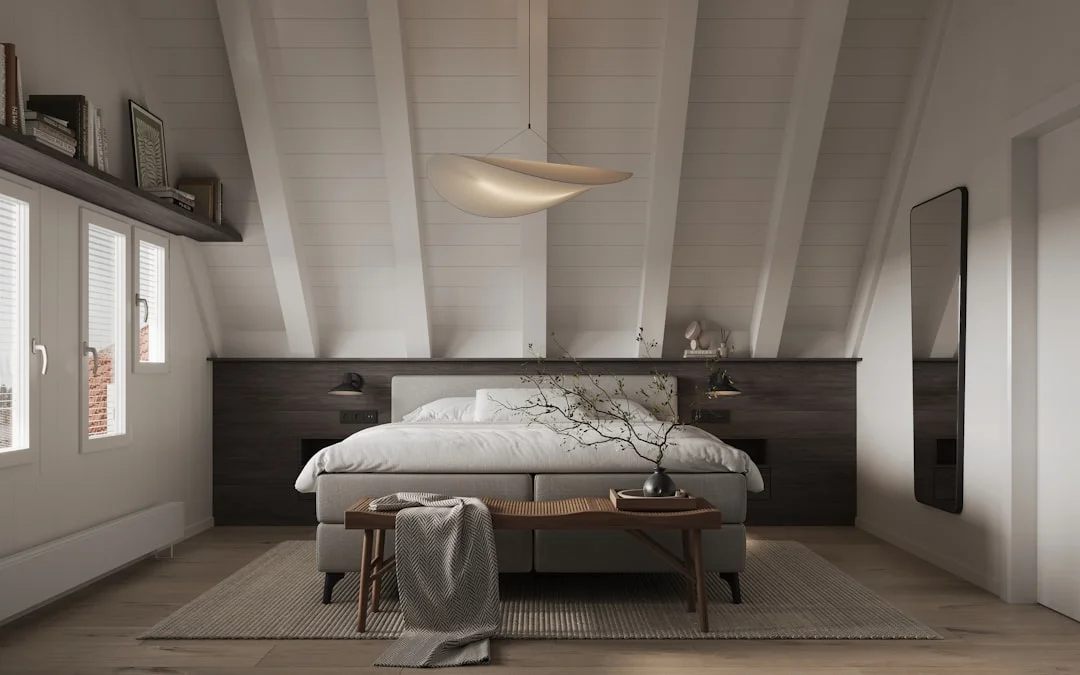
At its simplest, Feng Shui is about the relationship between people and their spaces. It operates on the principle that our environments are alive with an invisible energy known as Qi. The quality of this Qi—whether it is stagnant, chaotic, or flowing smoothly—profoundly influences our health, mood, relationships, and success. The core goal is to arrange objects, furniture, and architectural elements to cultivate positive, nourishing Qi and to minimize negative or draining energy. This concept represents the idea that space is not a passive container but an active participant in our lives. A space with good Feng Shui feels intuitively right; it is inviting, comfortable, and allows you to breathe and think clearly. In contrast, a space with poor Feng Shui might feel oppressive, chaotic, or draining, even if it is aesthetically stylish. Real-life examples are abundant. Consider the difference between a cluttered, dimly lit home office and a clean, well-organized one with a clear desk and good natural light. The former likely fosters procrastination and mental fog, while the latter supports focus and productivity. Similarly, a bed positioned directly in line with a door might create subconscious unease, affecting sleep quality, whereas a bed with a solid wall behind it and a clear view of the door can promote a sense of security and rest.
Traditional Feng Shui Perspective
Classical Feng Shui is a sophisticated system built on several interlocking philosophical frameworks. The primary ones are the theory of Yin and Yang and the Five Elements. Yin-Yang balance in space seeks to harmonize opposing but complementary forces. Yin energy is receptive, dark, cool, and still, associated with bedrooms and spaces for rest. Yang energy is active, bright, warm, and moving, associated with kitchens and living rooms. A healthy space requires a dynamic balance of both. An overly yang office with harsh lighting and loud colors can lead to burnout, while an overly yin lounge with no light or activity can become depressing. The Five Elements theory—Wood, Fire, Earth, Metal, and Water—provides a symbolic language for understanding how materials, shapes, and colors interact within an environment. Each element possesses specific qualities and cycles of generation and control. For instance, Wood (represented by vertical shapes, columns, and the color green) generates Fire (triangular shapes, bright lights, red). In a space, one might introduce a wooden bookshelf (Wood) near a fireplace or lamp (Fire) to create a nurturing, generative relationship. The aim is to create a balanced representation of all elements, avoiding an excess or lack of any one type. Qi flow and spatial harmony are meticulously analyzed through the layout, direction, and structure. Classical practices like the Bagua map overlay an eight-sector grid on a floor plan, linking different areas (Career, Relationships, Wealth) to specific life domains. The flow of Qi is assessed by examining pathways, akin to how wind and water move through a landscape. Sharp corners, long narrow hallways, and blocked doors are seen as creating "Sha Qi" or attacking energy, disrupting harmony. The symbolism is deeply practical: a main entrance cluttered with shoes symbolizes blocked opportunities, while a clear, welcoming entry invites positive energy and new beginnings.
Modern Interpretation
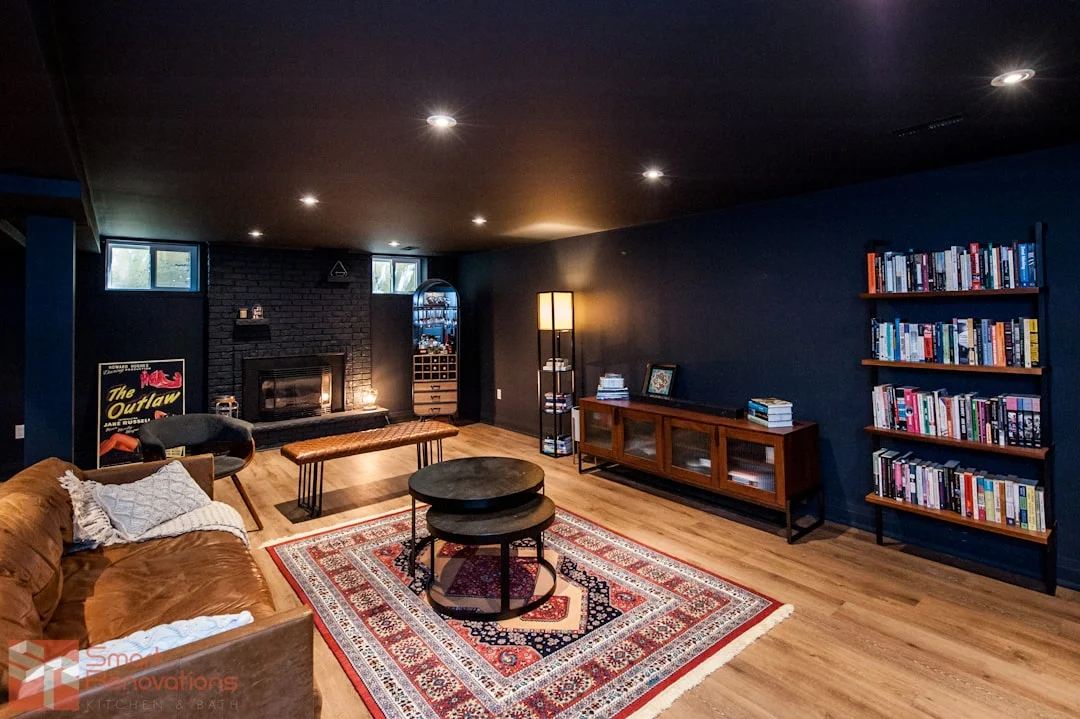
Today, Feng Shui is widely understood through the lens of environmental psychology, which scientifically studies how physical settings affect human behavior and mental states. The modern interpretation strips away cultural superstition to focus on universal human responses to environment. The impact of space on mood and behavior is now measurable. Studies show that natural light regulates circadian rhythms and improves mood, echoing the Feng Shui priority for bright, airy spaces. Clutter has been linked to increased cortisol levels, the stress hormone, validating the ancient practice of clearing stagnation to clear the mind. The modern concept of "biophilic design," which integrates nature into built environments, directly parallels the Feng Shui emphasis on incorporating plants, water features, and natural materials. In terms of productivity, stress, and lifestyle influence, modern Feng Shui offers actionable design psychology. Positioning a desk in a "command position"—facing the door with a solid wall behind—is less about mystical protection and more about reducing subconscious vulnerability, thereby lowering stress and increasing a sense of control. The recommendation to avoid placing a bed under a window or a beam aligns with creating a psychologically secure and physically comfortable sleeping environment. The practical real-life meaning is empowerment. Modern Feng Shui provides a framework for individuals to intentionally design their surroundings to support their goals. It is about creating a home that recharges you after work, an office that helps you focus, and a bedroom that guarantees restful sleep. It translates ancient observations about human comfort into principles for mindful living in the 21st century.
Insights
- Positioning your desk to face the entrance of your room can significantly reduce subconscious anxiety and increase your sense of authority and control in your work.
- Incorporating live plants into your living space not only improves air quality but also introduces vibrant Wood element energy, promoting growth and vitality in your personal endeavors.
- Ensuring a clear and unobstructed pathway from your front door into your home encourages a welcoming flow of energy, which psychologically translates to embracing new opportunities.
- Balancing the Five Elements in your bedroom by using a mix of textures and colors can create a deeply restorative environment that directly improves your sleep quality and emotional resilience.
- Regularly decluttering your kitchen counters and entryway is a simple yet powerful act that clears mental stagnation and makes daily routines feel more fluid and efficient.
Conclusion
Modern Feng Shui, therefore, is a practical and holistic design philosophy. It is not a set of rigid rules or a promise of fortune, but a language for understanding the dialogue between ourselves and our spaces. By applying its principles—whether through the classical lens of Qi and the Five Elements or the modern understanding of environmental psychology—we gain the tools to create environments that actively support our well-being. It teaches us that our homes and workplaces are extensions of ourselves, and by cultivating harmony in our surroundings, we nurture harmony within.