Feng Shui, at its heart, is the ancient art of arranging living spaces to create harmony with the natural world. Its primary objective is to cultivate the smooth, unimpeded flow of Qi, the vital life force that animates all environments. When this energy flows freely, it nourishes the inhabitants, supporting health, prosperity, and well-being. Conversely, when Feng Shui energy is blocked, it creates stagnation, much like a river dammed or a room left unventilated. This obstruction of Qi manifests in tangible, often disruptive ways within a space, affecting everything from daily mood to long-term life patterns. Understanding these blockages is not about superstition, but about recognizing the profound connection between our surroundings and our internal state.
Core Concept
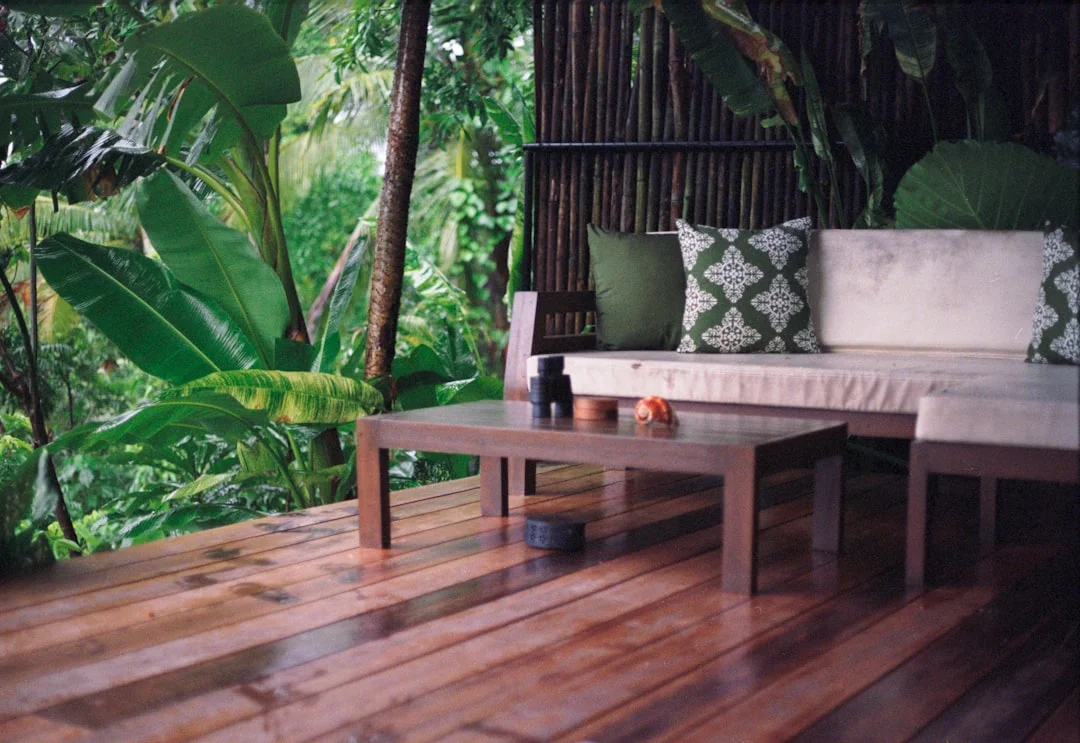
In Feng Shui, a blockage refers to any physical, structural, or energetic obstacle that hinders the natural circulation of Qi through a space. Qi is envisioned as a gentle breeze or meandering stream; it needs clear, open pathways to move and bring vitality.
- What this space/layout/element represents: A blockage can be a literal object—a large piece of furniture crammed in a hallway, a cluttered closet, or a perpetually closed door. It can also be a structural feature like a long, narrow corridor that funnels Qi too harshly, a beam overhead creating pressure, or a sharp corner pointing at a seating area. Symbolically, these blockages represent stuck energy, unresolved issues, and obstacles to progress in areas of life corresponding to that part of the space.
- How it influences energy (Qi): Blocked Qi cannot distribute its nourishing influence evenly. It may become trapped and stagnant in one area, leading to a feeling of heaviness or lethargy, or it may become overly aggressive and chaotic in another, creating tension and conflict. The goal is never to have Qi move with excessive speed or force, but with a balanced, meandering rhythm.
- Real-life examples of environments: Consider a home where the main entrance door opens directly into a solid wall just a few feet away. This is a classic blockage, where opportunities and new energy (entering through the door) are immediately met with an obstacle. An office desk positioned with one's back to the door creates a psychological and energetic blockage, often resulting in a subconscious feeling of vulnerability and stress. A bedroom with under-bed storage crammed full represents blocked energy in the realm of rest and relationships, potentially disrupting sleep.
Traditional Feng Shui Perspective
Classical Feng Shui provides a detailed framework for diagnosing and understanding energy blockages through its core theories of balance and interaction.
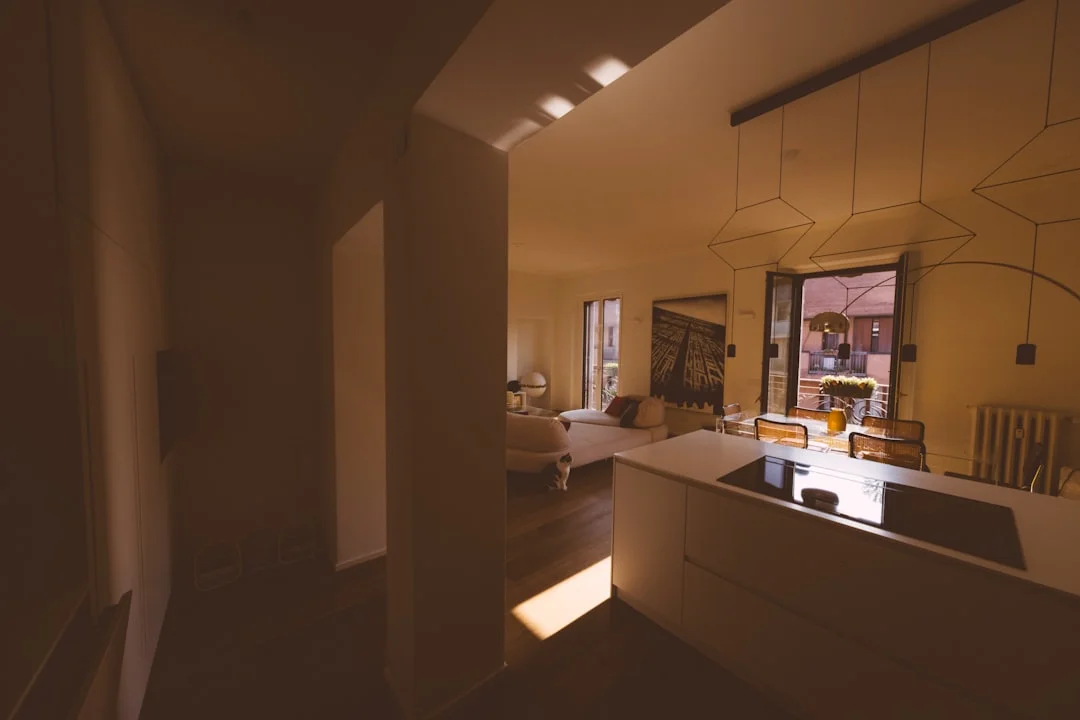
- Yin-Yang balance in space: A healthy space requires a dynamic balance between Yin (passive, quiet, dark, still) and Yang (active, bright, loud, moving) energies. A blockage often creates an extreme. A cluttered, dark basement becomes excessively Yin, leading to dampness and inertia. A room with too many sharp angles, bright lights, and loud electronics becomes overly Yang, causing agitation. Blockages disrupt the complementary flow between these two forces.
- Five Elements interactions: The Five Elements—Wood, Fire, Earth, Metal, Water—must be in a harmonious cycle of generation and balance. A blockage can manifest as an excess or deficiency of an element. For instance, a space overloaded with Metal element items (like filing cabinets, grey colors, metal frames) in the relationship area can block the nurturing Wood energy, potentially creating rigidity in personal connections. A missing element in a key sector of a home’s layout creates a void, another form of energetic blockage.
- Qi flow and spatial harmony: Traditional Compass School Feng Shui analyzes how Qi enters and travels through a building based on its facing direction and the time it was built. A bathroom or kitchen placed in a sector associated with wealth or health is considered to "drain" or "burn" that area's beneficial Qi, creating a functional blockage. The ancient Bagua map is used to overlay nine life areas onto a floor plan; a missing corner (an irregularly shaped home) or a toilet in the Fame area signifies a blockage or leakage of energy related to that life aspect.
- Symbolism of layout, direction, and structure: The classical approach is deeply symbolic. A front door that is smaller than the back door symbolizes Qi and resources flowing out too quickly. A staircase facing the main entrance is said to rush Qi upstairs, depriving the ground floor of vitality. These are not merely physical observations but are interpreted as metaphors for how life energy is channeled and experienced.
Modern Interpretation
Contemporary understanding bridges these ancient principles with modern environmental psychology and design, validating their impact through the lens of human perception and neurobiology.
- Environmental psychology: Modern science confirms that our environment directly shapes our cognition and emotions. A blocked hallway subconsciously signals constraint and lack of options, increasing anxiety. Clutter overwhelms the sensory processing centers of the brain, reducing focus and increasing cortisol levels. What Feng Shui calls "blocked Qi," psychology identifies as environmental stressors that impede mental clarity and emotional regulation.
- Impact of space on mood and behavior: A bedroom with poor air circulation (stagnant Qi) literally increases CO2 levels, leading to poorer sleep quality and grogginess. A workspace where one cannot see the door creates a "fight-or-flight" alertness, draining mental energy over time. The feeling of "something being off" in a room is often our innate sensitivity to these spatial disharmonies, long before we can articulate them.
- Productivity, stress, and lifestyle influence: In a corporate setting, departments physically isolated from one another (a structural blockage) often suffer from communication breakdowns and siloed thinking. A home where the kitchen is perpetually messy (clutter blockage) can discourage healthy eating and create family tension. Feng Shui adjustments, like creating clear pathways or defining functional zones, directly reduce decision fatigue and promote efficient, calm behavior.
- Practical real-life meaning: The modern interpretation removes mystical ambiguity. Clearing a blockage means literally improving air and light flow, reducing visual noise, organizing possessions, and arranging furniture for safety, comfort, and social connection. It is the practice of creating intentional, supportive spaces that align with how humans actually function best.
Insights
- Chronic clutter in your home office directly competes for your cognitive bandwidth, making sustained focus and creative problem-solving significantly more difficult.
- Positioning your bed or desk in a direct line with a sharp corner or edge creates a subconscious sense of threat, which can elevate background stress levels and disrupt rest.
- A front entrance obscured by overgrown plants or filled with discarded shoes symbolically and practically hinders the welcoming of new opportunities into your daily life.
- Completely empty, unused rooms create a different kind of blockage by stagnating energy flow, much like a dormant space in your own aspirations or routines.
- Regularly opening windows and cleaning air filters is a fundamental modern practice for clearing energetic blockages by literally refreshing the Qi, or air quality, of your living space.
Conclusion
The blockage of Feng Shui energy is ultimately a disruption in the harmonious relationship between an individual and their environment. Whether interpreted through the classical lens of Qi stagnation and elemental imbalance or the modern understanding of environmental psychology and design ergonomics, the effects are consistently tangible. They surface as feelings of stuckness, unexplained tension, lack of motivation, or recurring obstacles in specific life areas. The remedy is not found in mystical rituals, but in mindful observation and intentional design. By identifying and clearing these blockages—be it through decluttering, repositioning furniture, enhancing light, or repairing broken items—we actively participate in cultivating a space that supports rather than hinders our well-being. The process transforms our surroundings from a passive backdrop into an active partner in fostering health, clarity, and flow in our lives.