Feng Shui, the ancient Chinese art of placement, is often perceived as a mystical or superstitious practice. Yet, at its core, it is a sophisticated system for creating harmonious environments that support well-being. The central challenge for contemporary living is adapting these timeless principles to modern architecture, open-plan layouts, and digital lifestyles. This article explores how key Feng Shui concepts can be translated into practical, effective strategies for today's homes, moving beyond cultural ornamentation to focus on the universal human experience of space.
Core Concept
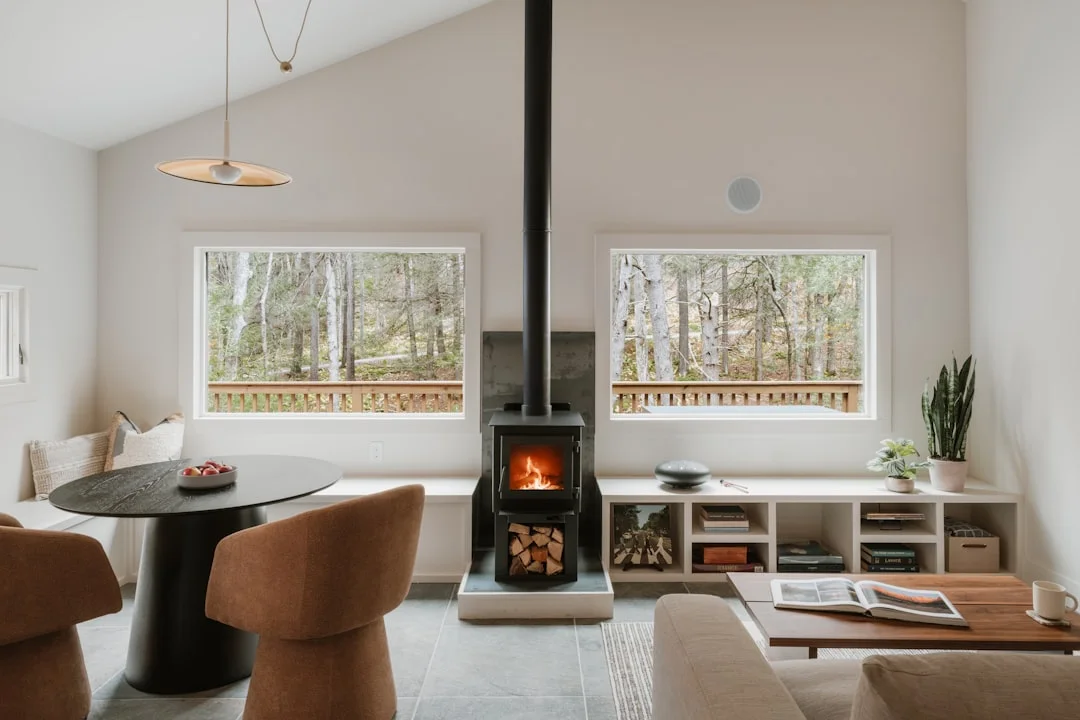
The core concept of Feng Shui in the modern home revolves around the intentional management of Qi, or vital energy, within a defined space. Qi should meander gently and accumulate in beneficial areas, rather than rush through or become stagnant. This principle directly translates to the arrangement of furniture, the use of light and air, and the organization of belongings. A space with good Qi feels inviting, calm, and energetically supportive. In practical terms, this means considering how energy enters and moves through your home. The front door, considered the "mouth of Qi," is a primary entry point. A cluttered, obstructed, or poorly lit entryway can hinder the flow of positive energy from the outset. Inside, the pathways between rooms function as energy channels. Furniture arranged to create clear, unobstructed walkways allows Qi to circulate freely. Conversely, sharp corners pointing at seating areas, known as "poison arrows," or excessive clutter under beds and in corners, create pockets of stagnant or aggressive energy. Real-life examples include a living room where seating is arranged in a welcoming "U" shape to foster conversation and connection, or a home office where the desk is positioned to see the door without being directly in line with it, creating a sense of security and command.
Traditional Feng Shui Perspective
From a classical standpoint, applying Feng Shui to a home is a complex interplay of directional energies, elemental balance, and symbolic form. The Bagua map is a fundamental tool, an eight-sided grid correlating different areas of a home with specific life aspects, such as career, relationships, or health. By aligning the Bagua with your floor plan, you can identify which physical zones correspond to which life domains and apply enhancements accordingly. Yin-Yang balance is crucial in every space. Yin energy is passive, dark, cool, and quiet, represented by soft textiles, low lighting, and curved forms. Yang energy is active, bright, warm, and loud, found in bright lights, electronic devices, and angular shapes. A healthy room balances both; a bedroom should be predominantly yin for rest, while a kitchen or home gym can embrace more yang energy for activity. The Five Elements theory—Wood, Fire, Earth, Metal, Water—provides a framework for creating this balance. Each element has specific shapes, colors, and materials. A room feeling stagnant (excess Earth) might be energized with a Wood element plant or a Metal element round mirror. The goal is to avoid extremes and foster a cycle of mutual support among the elements. Qi flow is meticulously analyzed. Traditional Feng Shui emphasizes the importance of a solid, protective back (often a wall) and an open, expansive front for key pieces like beds and desks, mimicking the protective embrace of hills with a water view. The symbolism of layout is profound; a home with a bathroom directly opposite the front door is said to symbolically flush wealth away, while a bed under a exposed beam can create a sense of subconscious pressure.
Modern Interpretation
Modern environmental psychology and design thinking provide a compelling, evidence-based lens through which to view these ancient principles. The management of Qi aligns with our understanding of environmental stressors and sensory processing. A cluttered, chaotic space increases cognitive load and stress hormones, effectively creating "stagnant Qi." A clear, organized space reduces mental friction and promotes calm, facilitating "smooth Qi flow." The command position—placing your bed or desk so you can see the door without being directly in line with it—is less about mystical protection and more about primal psychology. It taps into our innate need for security and a clear vantage point, reducing subconscious anxiety and allowing for greater focus and relaxation. The emphasis on natural light and fresh air in Feng Shui correlates directly with proven benefits for circadian rhythm regulation, mood elevation, and improved air quality. The Bagua map can be interpreted as a tool for intentional living. If the "Wealth & Abundance" area of your home is a disused storage closet, it may symbolically reflect—and psychologically reinforce—a mindset of neglect in that area of your life. Activating that space, perhaps by cleaning it, adding a working light, or placing a symbol of your goals there, serves as a constant, subtle reminder of your intentions, leveraging the power of environmental cues on behavior. Feng Shui becomes less about attracting luck and more about designing a habitat that consciously supports your desired lifestyle, productivity, and mental state.
Insights
- Position your primary workspace to face the room's entrance, which leverages environmental psychology to reduce subconscious anxiety and foster a greater sense of control and focus.
- Incorporate living plants in east or southeast areas of your home to actively introduce vibrant Wood element energy, which symbolizes growth and vitality within the space.
- Ensure your bed has a solid headboard against a wall and avoid placing it directly in line with the door to create a profound sense of security and stability for restorative sleep.
- Keep the space under your bed completely clear of stored items to prevent energy stagnation in the area most associated with your personal rejuvenation and health.
- Balance the bright screens and hard surfaces of technology with soft textiles, natural wood, and rounded decor to achieve a necessary harmony between stimulating and calming influences.
Conclusion
Effective Feng Shui in the modern home is not about slavishly following archaic rules or filling spaces with Chinese trinkets. It is a mindful design philosophy that integrates classical wisdom with contemporary understanding. By focusing on the fundamental principles of energy flow, elemental balance, and symbolic placement, we can curate environments that are not only aesthetically pleasing but also psychologically supportive. The true power of these tips lies in their ability to make us more conscious of our surroundings, transforming our homes from mere shelters into active partners in our well-being, productivity, and peace. In a world of constant stimulation, the ancient art of Feng Shui offers a timeless blueprint for creating sanctuaries of harmony and intention.