Creativity is not merely a mental exercise; it is a dynamic process deeply influenced by our surroundings. The ancient Chinese art of Feng Shui provides a sophisticated framework for designing environments that actively nurture and stimulate creative thought. By understanding how energy, or Qi, flows through a space, we can arrange our environments to support the free association of ideas, inspire innovation, and overcome mental blocks. This article explores the specific Feng Shui principles that transform a space into a catalyst for creative thinking, blending timeless wisdom with contemporary understanding of environmental psychology.
Core Concept
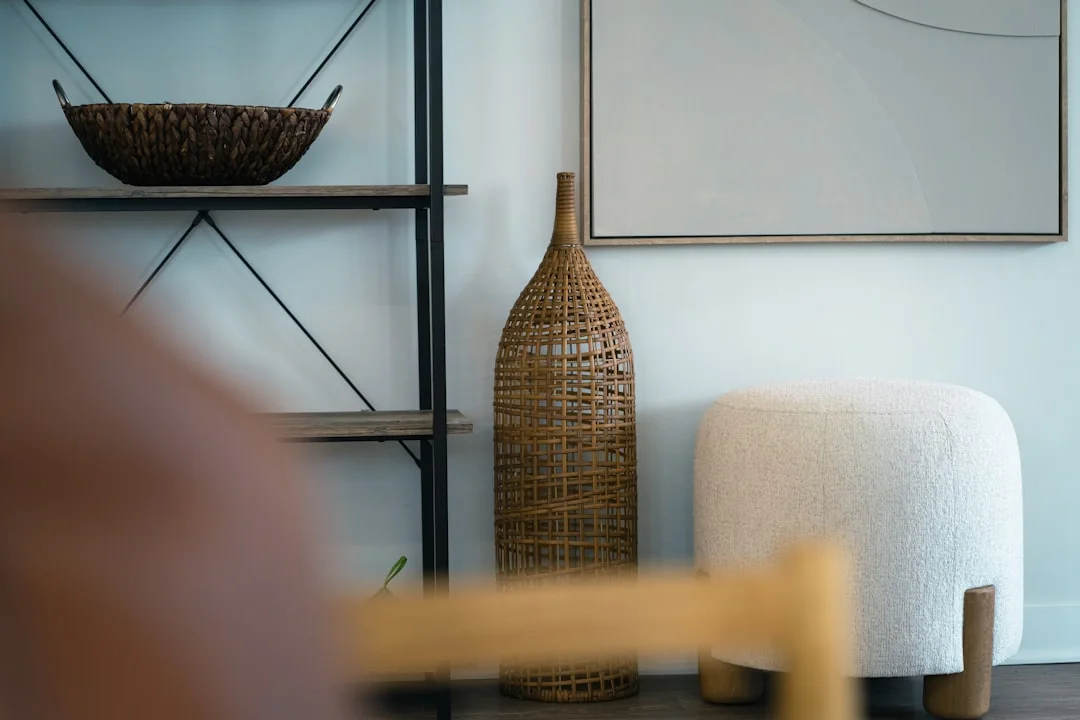
At its heart, a Feng Shui setup for creativity is designed to cultivate a specific quality of Qi: vibrant, expansive, and flowing, yet stable enough to allow for deep focus. This space represents the Wood element, which symbolizes growth, new beginnings, and upward, branching energy—much like a tree reaching for the sun. The goal is to create an environment that encourages the mind to make new connections, break free from rigid patterns, and explore possibilities. This is achieved by managing the flow of Qi to be smooth but invigorating, avoiding both stagnant energy that leads to mental fog and chaotic, rushing energy that causes distraction. In practice, such an environment might feature a well-lit artist's studio with high ceilings, a writer's nook by a window with a view of greenery, or a collaborative office space with curved pathways and living plants. These are all real-world examples where the physical setting is intuitively aligned to support the creative process by providing inspiration, clarity, and a sense of possibility.
Traditional Feng Shui Perspective
From a classical viewpoint, fostering creativity requires a deliberate and balanced application of core Feng Shui theories. The primary focus is on harmonizing the Yin and Yang energies and strategically employing the Five Elements to support the creative phase of the cycle. The Yin-Yang balance in a creative space leans slightly toward active Yang energy to initiate action and generate ideas, but it must be grounded by enough Yin energy to allow for incubation and reflective thought. A room with strong, bright light (Yang) should also contain softer, darker corners or textured fabrics (Yin) where the mind can rest and subconsciously process ideas. The Five Elements theory is paramount. The Wood element is the direct correlate to creativity and is activated by vertical shapes, columnar forms, and the color green. A creative space should prominently feature Wood, but according to the productive cycle, it must be supported by Water (which nourishes Wood). This can be introduced through reflective surfaces, black or deep blue accents, or symbolic representations of water. Crucially, the controlling cycle must be managed: an excess of the Metal element, with its contracting, analytical energy, can "cut down" creative Wood. Therefore, an overabundance of white, gray, circular shapes, or metal objects should be avoided or balanced. Qi flow and spatial harmony are engineered through the layout. The "Ming Tang" or bright hall area in front of a workspace should be open and unobstructed, symbolizing a clear future and open-mindedness. The desk or main work area should be in a "command position," allowing a clear view of the door without being directly in line with it, providing a sense of security and control. Arched doorways or gently curving furniture arrangements help Qi meander beneficially, mimicking the exploratory nature of creative thought, as opposed to sharp corners which create "poison arrows" of harsh energy that disrupt focus.
Modern Interpretation
Modern environmental psychology and design principles echo these ancient concepts, providing a scientific and experiential lens through which to understand them. The impact of space on mood, behavior, and cognitive function is now a well-studied field, and the correlations with Feng Shui are striking. The emphasis on natural light and views of nature (Wood element) is supported by studies showing that such exposure reduces mental fatigue, improves mood, and enhances cognitive performance—all prerequisites for creative work. The Feng Shui principle of smooth Qi flow translates to modern concerns about clutter and layout. A cluttered, chaotic space (stagnant or chaotic Qi) is known to increase cortisol levels, reduce the ability to focus, and limit the brain's capacity for information processing, directly hindering creative problem-solving. From a lifestyle and productivity perspective, the command position addresses environmental psychology's concept of "prospect and refuge." A person who feels secure and has a good view of their environment experiences lower subconscious stress, freeing up mental resources for higher-order thinking. The use of living plants (Wood) not only symbolizes growth but also improves air quality and has a demonstrably calming effect, reducing stress that can block creative flow. Thus, the practical meaning of a Feng Shui creative setup today is the intentional design of a workspace that minimizes environmental stressors, provides sensory inspiration, and supports the psychological states necessary for innovation.
Insights
- Position your primary work desk so you can see the entrance to the room while not sitting directly in line with the door, which fosters a sense of security and mental clarity.
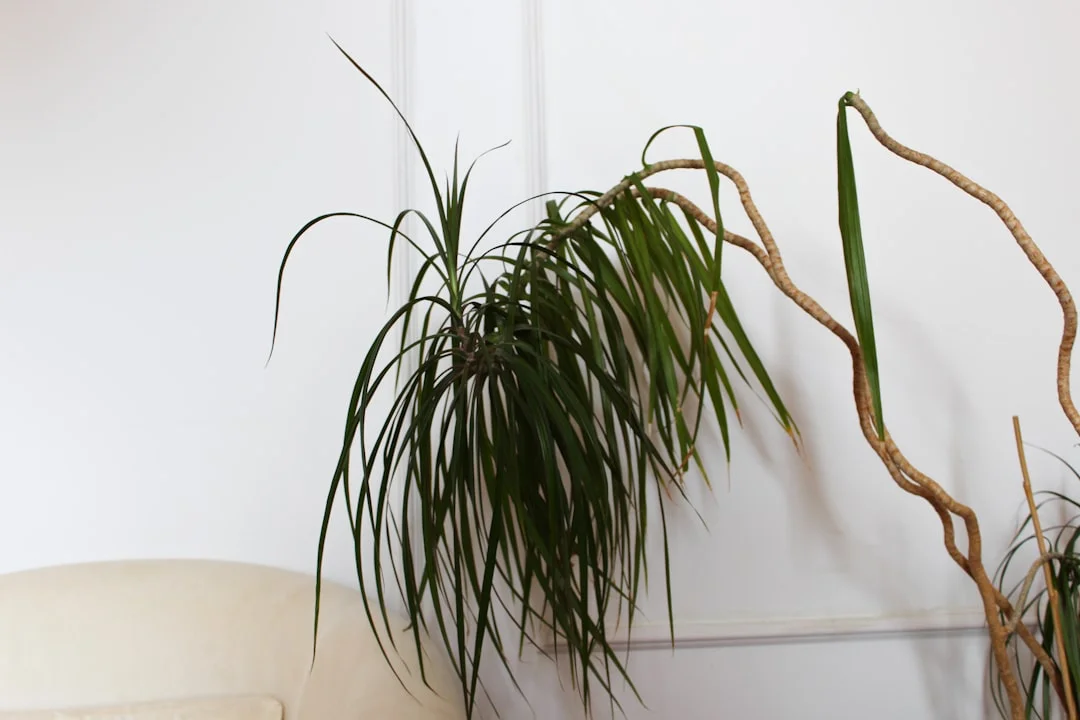
- Introduce the Wood element through several living plants or vertical, column-shaped decor to directly stimulate the energy of growth and new ideas in your space.
- Ensure your creative space has a balance of bright, energizing light for focused work and softer, warmer lighting for contemplative and reflective thinking stages.
- Incorporate a small representation of the Water element, such as a desktop fountain or a painting of a calm scene, to nourish and support your creative potential.
- Regularly declutter your workspace and organize tools to maintain a smooth flow of both physical movement and mental energy throughout your day.
Conclusion
A Feng Shui setup for creative thinking is a holistic approach to environmental design that aligns physical space with cognitive and psychological needs. By applying the classical principles of Yin-Yang balance, Five Elements theory, and Qi management, we create environments that do more than just house our activities—they actively participate in them. The modern interpretation confirms that these principles are not mystical but practical, addressing fundamental human responses to light, space, nature, and layout. Ultimately, crafting a space with thoughtful Feng Shui is an investment in the creative process itself, building a supportive foundation from which innovation and inspiration can consistently grow.