In an age dominated by minimalist aesthetics and smart technology, the ancient Chinese practice of Feng Shui might seem like a relic of the past. Yet, its core principles continue to resonate, finding surprising relevance in contemporary architecture and interior design. This enduring appeal stems not from superstition, but from Feng Shui's fundamental focus on creating harmonious, supportive, and balanced environments. Modern design, when informed by these time-tested concepts, moves beyond mere visual appeal to cultivate spaces that actively enhance well-being, focus, and comfort. This article explores which foundational Feng Shui rules have successfully transitioned into the modern era, translating classical theories of energy flow into principles supported by environmental psychology and practical design wisdom.
Core Concept
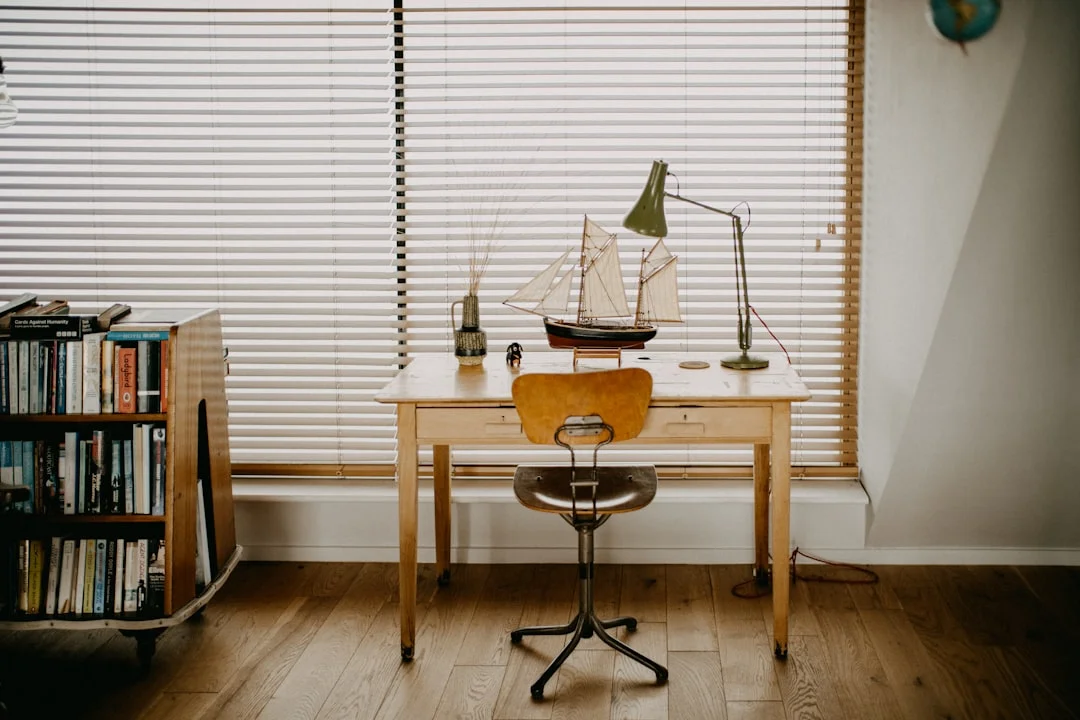
At its heart, Feng Shui is the art of arranging living spaces to create balance with the natural world and harness the flow of Qi, or vital life force energy. In the context of space, it examines how the layout, orientation, and contents of an environment influence this energy, which in turn affects the occupants' health, mood, and fortune. A space with good Feng Shui is believed to have smooth, meandering Qi flow, while poor Feng Shui results in stagnant or chaotic energy. Real-life examples include a cluttered, cramped office that induces stress versus an airy, well-organized living room that promotes relaxation and conversation. The goal is to design environments that feel intuitively right—spaces where one can breathe easily, think clearly, and rest deeply.
Traditional Feng Shui Perspective
From a classical standpoint, the design of any space is a careful orchestration of several interconnected principles. The primary aim is to achieve a dynamic balance between Yin (passive, receptive, dark, cool) and Yang (active, expansive, bright, warm) energies. A bedroom, for instance, should favor Yin qualities for rest, while a home office needs more Yang energy for activity. This balance is further refined through the theory of the Five Elements—Wood, Fire, Earth, Metal, and Water. Each element represents specific qualities, shapes, colors, and materials. Harmony is achieved by ensuring these elements support and nurture one another in a productive cycle, avoiding configurations where they destructively clash. For example, Water (represented by black, blue, or wavy forms) nourishes Wood, but can extinguish Fire if placed improperly. Qi flow is paramount. The ideal path for Qi is the "meandering dragon's path"—a gentle, curving flow. Straight lines and sharp corners are believed to create "secret arrows" or "cutting Qi," which is harsh and destabilizing. The placement of doors, windows, and furniture is critical to guide this flow. The commanding position, a key rule, states that important pieces like a bed or desk should be placed diagonally opposite and facing the door, without being directly in line with it, giving the occupant a sense of security and control.
Modern Interpretation
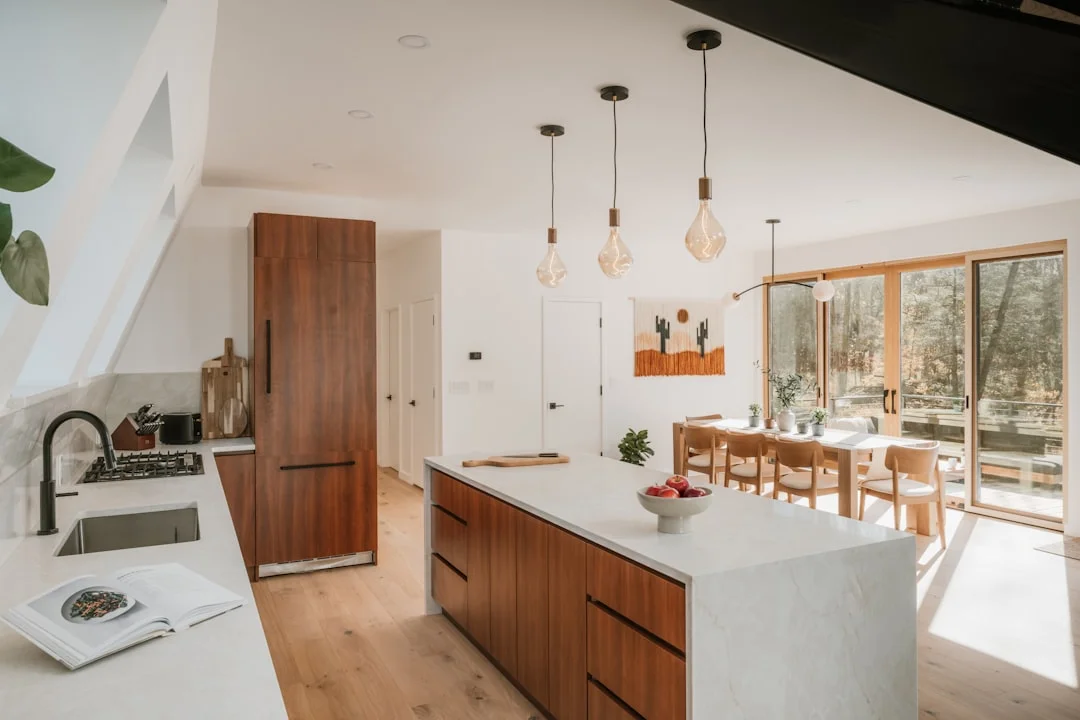
Contemporary design and environmental psychology have arrived at remarkably similar conclusions, albeit with different terminology. The modern interpretation of Feng Shui is less about mystical energy and more about the measurable impact of our surroundings on human psychology and physiology. Environmental psychology confirms that space directly influences mood, behavior, and cognitive function. The Feng Shui principle of decluttering, for instance, is now understood to reduce cognitive load and anxiety, creating mental clarity. The desire for a "commanding position" for a desk translates to reducing subconscious stress by eliminating the vulnerability of having one's back to a door, thereby improving concentration and productivity. The emphasis on natural light and air quality aligns perfectly with modern biophilic design, which recognizes our innate need to connect with nature for reduced stress and improved well-being. The careful use of color psychology mirrors the Five Elements theory; for example, understanding that an overabundance of "Fire" elements like bright red can be overstimulating in a bedroom, while "Earth" tones like soft beige promote stability. Modern design adopts the quest for spatial harmony by creating clear circulation paths (smooth Qi flow), balancing open areas with cozy nooks (Yin-Yang), and selecting materials that are not only beautiful but also tactilely pleasing and non-toxic.
Insights
- Position your primary desk or bed to face the room's entrance while not being directly in its path to foster a subconscious sense of security and command over your environment.
- Incorporate living plants and natural wooden elements into urban apartments to fulfill the biophilic need for nature and introduce the nurturing Wood element.
- Avoid arranging furniture in rigid, grid-like patterns and instead opt for soft curves and diagonal placements to encourage a more relaxed and dynamic social flow.
- Balance the intense Yang energy of technology and bright lighting with Yin elements like soft textiles, dimmable lights, and dedicated screen-free zones for restoration.
- Define the purpose of each room clearly and minimize clutter associated with unrelated activities to support focused intention and mental clarity within that space.
Conclusion
The Feng Shui rules that endure in modern design are those rooted in universal human experience and observable environmental effects. Principles promoting safety, clarity, balance, and a connection to nature transcend cultural and historical boundaries. Today, we can integrate these rules not as rigid dogma, but as a sophisticated design language for well-being. By understanding the "why" behind concepts like the commanding position, Qi flow, and elemental balance, contemporary designers and homeowners can create spaces that are not only aesthetically modern but also profoundly supportive. The ultimate goal, shared by both ancient masters and modern environmental psychologists, remains the same: to craft habitats that nourish, protect, and inspire the people who live within them.