The kitchen is far more than a utilitarian space for meal preparation; it is the symbolic heart of the home, representing nourishment, health, and prosperity. In Feng Shui, it is considered a primary source of energy, or Qi, for the household. When the kitchen's energy is disrupted or imbalanced, it can subtly influence the well-being and harmony of the residents. Many common design and organizational choices, often made without malintent, inadvertently create Feng Shui challenges that can be easily corrected with mindful awareness.
Core Concept
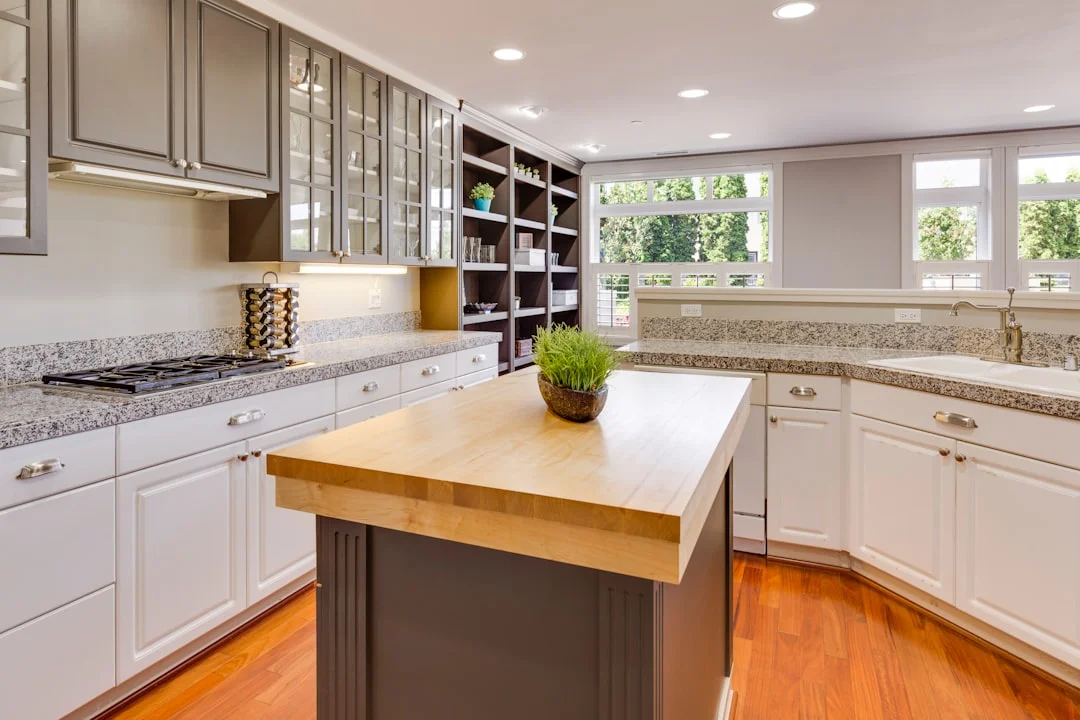
In Feng Shui philosophy, the kitchen is a powerful nexus where the fundamental elements of Fire and Water converge. The stove represents the Fire element, symbolizing wealth, passion, and vitality. The sink, refrigerator, and dishwasher represent the Water element, associated with flow, communication, and resources. The core concept governing kitchen Feng Shui is the management of these two opposing yet complementary forces. Their interaction must be carefully balanced, as Water has the symbolic capacity to extinguish Fire, which can metaphorically dampen prosperity and health energy. The flow of Qi in this space should be smooth and unobstructed, supporting the cook who acts as the "alchemist" transforming raw ingredients into nourishment. A kitchen with good Feng Shui feels inviting, safe, and energetically supportive. Real-life examples of challenging environments include kitchens where the cook must stand with their back to the entrance, feeling subconsciously vulnerable, or spaces where clutter on countertops physically and energetically blocks the creative process of cooking.
Traditional Feng Shui Perspective
From a classical standpoint, the kitchen is governed by precise principles of Yin-Yang balance and the Five Elements cycle. The goal is to create a harmonious environment where these forces support, rather than conflict with, one another. Yin-Yang Balance in Space: The kitchen should embody a balanced dynamic. The Yang energy of activity, heat, and light from cooking must be tempered with Yin elements of stability, nourishment, and coolness. An overly Yang kitchen—excessively bright, hot, and chaotic—can create stress and haste. An overly Yin kitchen—dark, cold, and stagnant—can lead to poor health and lack of motivation. Balance is achieved through lighting, color, and the interplay of appliances and materials. Five Elements Interactions: The kitchen naturally hosts Fire (stove, oven) and Water (sink). The challenge is to prevent a direct clash. Placing the stove directly opposite or adjacent to the sink or refrigerator sets Water against Fire. The ideal configuration introduces the mediating element of Wood, which feeds Fire and is nourished by Water. This can be done practically by incorporating the Wood element through colors (greens, browns), materials (wooden cabinets, a bowl of fruit), or plants between these opposing features. Qi Flow and Spatial Harmony: The stove is the king of the kitchen. Its position is paramount. It should be placed in a "command position," allowing the cook to see the doorway without being directly in line with it. This empowers the cook and prevents "secret arrows" of Qi from the door. Additionally, the stove should not be positioned under a window, as the Qi and prosperity symbolically escape. Clear pathways and clean, functional appliances ensure Qi circulates freely, bringing vitality. Symbolism of Layout and Structure: A kitchen located directly opposite the front door is said to allow wealth to be "cooked away" and exit easily. Similarly, a bathroom door opening directly into the kitchen is considered inauspicious, as it symbolically mixes purification with waste. The cleanliness and maintenance of the stove burners are symbolic of one's ability to "ignite" opportunities; all should be in working order.
Modern Interpretation
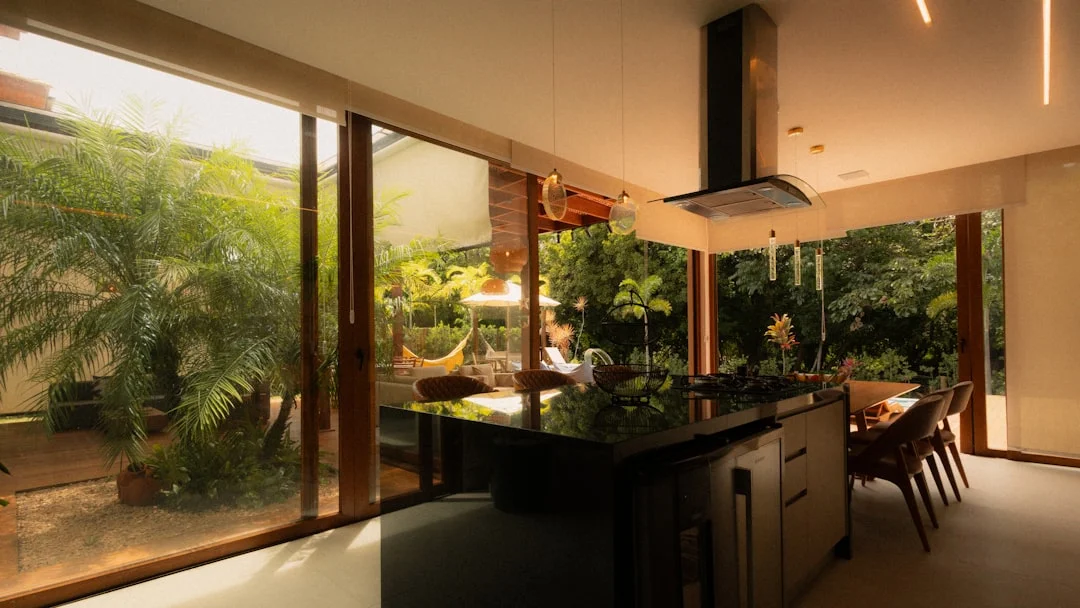
Contemporary environmental psychology aligns remarkably well with these ancient principles, framing them in terms of human behavior, cognitive load, and emotional well-being. Modern interpretations focus on how kitchen design directly impacts daily life. Environmental Psychology: The feeling of vulnerability when one's back is to a door is a primal response, triggering low-grade stress. A kitchen designed with the cook's sightlines in mind creates a sense of security and control. Clutter on countertops is not just unsightly; it increases cognitive overload, making tasks feel more arduous and reducing the joy of cooking. A clear space promotes mental clarity. Impact on Mood and Behavior: The balance of elements translates directly to ambiance. A kitchen dominated by cold, metallic surfaces (excess Metal) can feel sterile and unwelcoming, discouraging family gathering. Introducing warm tones, wood, or soft textiles creates emotional warmth. Proper ventilation is critical not just for air quality but for mood; lingering cooking odors and grease can subconsciously depress the spirit and feel oppressive. Productivity, Stress, and Lifestyle Influence: An efficient kitchen triangle (sink, stove, refrigerator) is a modern ergonomic principle that mirrors the Feng Shui desire for smooth Qi flow. It reduces unnecessary movement and frustration. Sharp corners on islands or cabinets pointing at seating areas create "poison arrows," which in modern terms are simply sources of subconscious unease and potential physical hazard. Replacing them with rounded edges fosters a safer, more relaxed environment. Practical Real-Life Meaning: Ultimately, modern Feng Shui in the kitchen is about intentional design that supports health and harmony. It means fixing leaky faucets (which symbolize wealth dripping away) to conserve water and prevent mold. It means ensuring excellent lighting over prep areas to cook safely and accurately. It is about creating a space that invites healthy cooking and joyful interaction, directly contributing to physical health and family bonds.
Insights
- Position your most-used cooking appliances so that you can comfortably see the entrance to the room, which alleviates subconscious tension and promotes a sense of command while you work.
- Introduce living plants or a bowl of fresh fruit on the counter to incorporate the Wood element, which harmonizes the inherent conflict between the stove's Fire and the sink's Water.
- Keep the stove meticulously clean and ensure all burners are functional, as this maintains the symbolic vitality of your home's prosperity and health energy.
- Store knives and other sharp utensils out of sight in drawers or blocks rather than on magnetic wall strips, which can create subtle visual stress and aggressive energy.
- Resolve any persistent leaks from faucets or appliances promptly, as they represent a continuous drain on both your resources and the home's energetic wealth.
Conclusion
The common Feng Shui mistakes found in kitchens often stem from a lack of awareness about the symbolic and energetic relationships between elements, objects, and layout. By understanding the classical interplay of Fire and Water, the importance of the cook's position, and the need for unobstructed Qi flow, we can make thoughtful adjustments. These principles find strong resonance in modern environmental psychology, emphasizing safety, efficiency, and emotional well-being. Correcting these mistakes is not about superstition, but about cultivating a kitchen environment that actively supports nourishment, health, and harmonious daily living. A mindful kitchen becomes a true heart of the home, where good energy translates into good food and good times.