The Five Elements, known as Wu Xing, form a foundational pillar of Feng Shui philosophy. This ancient system provides a symbolic language to understand the dynamic relationships between all things in our environment. It moves beyond simple material classification to describe phases of energy, transformative processes, and the fundamental qualities of existence. In the context of space, the Five Elements offer a powerful diagnostic and design tool. By analyzing the elemental composition of an environment, one can assess its energetic balance and make intentional adjustments to cultivate harmony, support well-being, and align a space with the occupants' aspirations. This framework connects the microcosm of a home or office to the macrocosm of the natural world, teaching us that our surroundings are a living, interactive system.
Core Concept
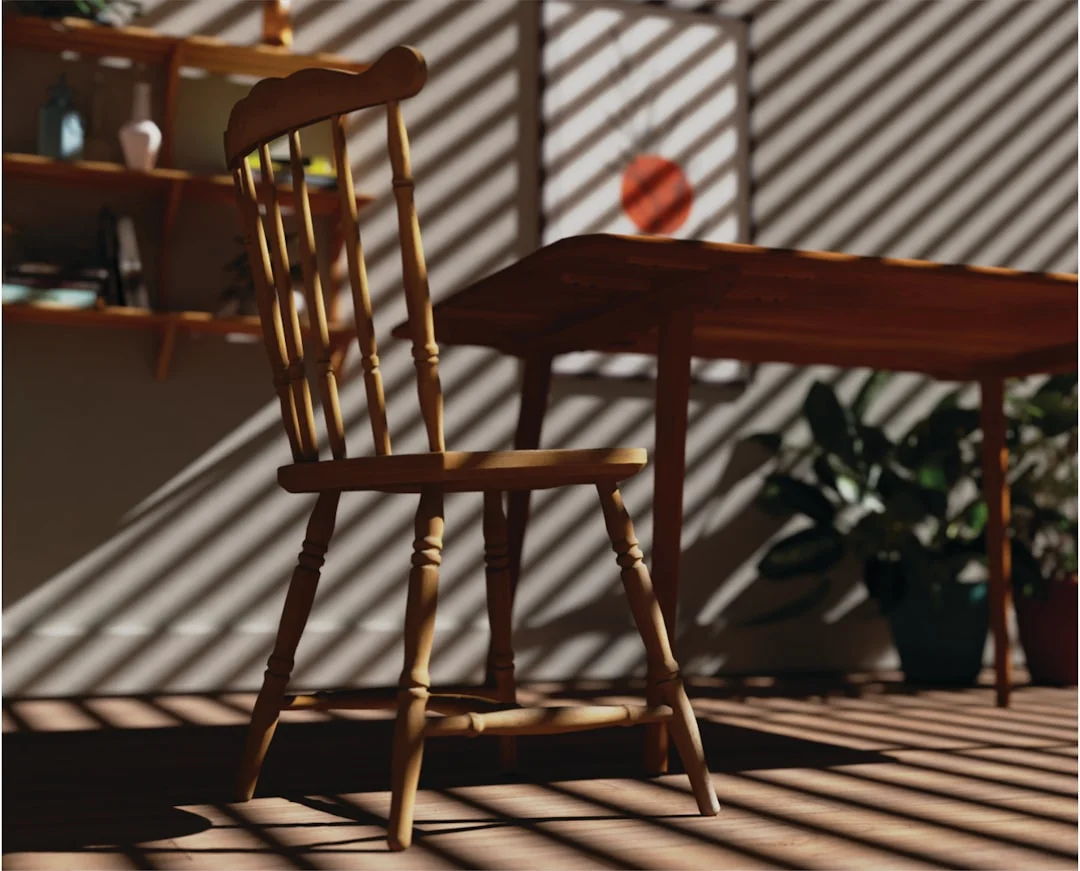
At its heart, the Five Elements theory describes five fundamental phases of Qi, or life force energy: Wood, Fire, Earth, Metal, and Water. Each element represents a distinct quality, movement, and set of associations that manifest in our environments. In Feng Shui, every color, shape, material, and even compass direction carries an elemental signature. The goal is not to have equal amounts of all five, but to achieve a dynamic and supportive balance tailored to the space's purpose and its inhabitants' needs. Wood represents growth, vitality, and upward expansion. Its energy is like that of a healthy tree or a sprouting plant—flexible yet strong, pushing upward and outward. In a space, Wood energy is introduced through vertical lines, columnar shapes, and the color green. Real-life examples include wooden furniture, living plants, floral patterns, and tall, rectangular bookcases. An environment with healthy Wood energy feels inspiring, supports new projects, and encourages personal growth. Fire embodies passion, transformation, high energy, and illumination. Its movement is radiant, rising, and dynamic. Fire energy is conveyed through triangular shapes, sharp angles, the colors red, orange, and strong purple, and actual sources of light and heat. A fireplace, candles, bright lighting, artwork depicting sunsets or animals, and synthetic materials like leather are all expressions of Fire. This element animates a space, stimulates conversation, and boosts visibility and fame. Earth symbolizes stability, nourishment, grounding, and support. Its energy is centering, stabilizing, and nurturing, like a fertile plain. Earth is represented by square shapes, flat surfaces, earthy tones like yellow, beige, and terracotta, and ceramic or clay materials. A low, square coffee table, a tile floor, a landscape painting, or a plaster wall all contribute Earth energy. It creates a sense of security, promotes trust and relationships, and provides a solid foundation. Metal signifies precision, clarity, efficiency, and contraction. Its energy is inward and consolidating, like metal being refined. It is expressed through circular and arched shapes, metallic colors like white, gray, and metallic hues, and actual metals and stones. A metal frame, a round mirror, a stone sculpture, or white walls carry Metal energy. This element introduces mental clarity, encourages precision, and helps with organization and completion. Water epitomizes flow, wisdom, depth, and quiet reflection. Its energy is descending, flowing, and adaptive. Water is represented by wavy, irregular shapes, the colors black and deep blue, and reflective surfaces. A fish tank, a meandering pathway in a garden, a mirror, a glass tabletop, or a painting of a lake or sea embodies Water energy. It enhances calm, supports introspection and wisdom, and promotes the smooth flow of opportunities and resources.
Traditional Feng Shui Perspective
From a classical Feng Shui viewpoint, the Five Elements are never static; they exist in a perpetual cycle of interaction that either creates harmony or generates conflict. Understanding these cycles is essential for managing Qi flow and spatial harmony. The two primary cycles are the Productive (Creative) Cycle and the Destructive (Controlling) Cycle. The Productive Cycle describes how elements nourish and strengthen one another in a continuous loop. Wood burns to feed Fire; Fire creates ash to nourish Earth; Earth condenses to form Metal; Metal collects to bear Water (as in a metal basin); and Water nourishes the growth of Wood. In spatial design, this cycle is used to strengthen a desired element. For example, to enhance Earth energy (for stability) in a relationship area, one might add Fire element items (like a candle) to productively feed it. Conversely, the Destructive Cycle illustrates how elements can exhaust or control one another. Wood parts Earth (as roots break soil); Earth muddies Water; Water extinguishes Fire; Fire melts Metal; and Metal chops Wood. A Feng Shui practitioner uses this cycle to gently reduce an overly dominant element. If a space has excessive Wood energy (causing tension or overwork), introducing Metal element (circular shapes, white color) can symbolically "chop" and calm the Wood. Yin-Yang balance is intrinsically woven into this elemental interplay. Each element contains both yin (receptive, passive, dark) and yang (active, expansive, bright) aspects. For instance, still, deep Water is yin, while a rushing river is yang. A smoldering ember is yin Fire, while a roaring blaze is yang Fire. A balanced space considers not just the elements present, but their expression. A bedroom, a yin space for rest, might use yin Water (dark blue, quiet) and yin Earth (soft, beige textiles), while a home office, a yang space for activity, might utilize yang Wood (tall plants, vibrant green) and yang Fire (bright light). Directional symbolism is also deeply connected to the elements. Traditional Compass School Feng Shui assigns an element to each cardinal direction: Wood to East and Southeast, Fire to South, Earth to Southwest and Northeast, Metal to West and Northwest, and Water to North. This creates an elemental map of a space, guiding placement. The center of a floor plan is also considered Earth. This layout is used to align personal aspirations with corresponding areas; for example, enhancing the South (Fire) sector to boost recognition.
Modern Interpretation
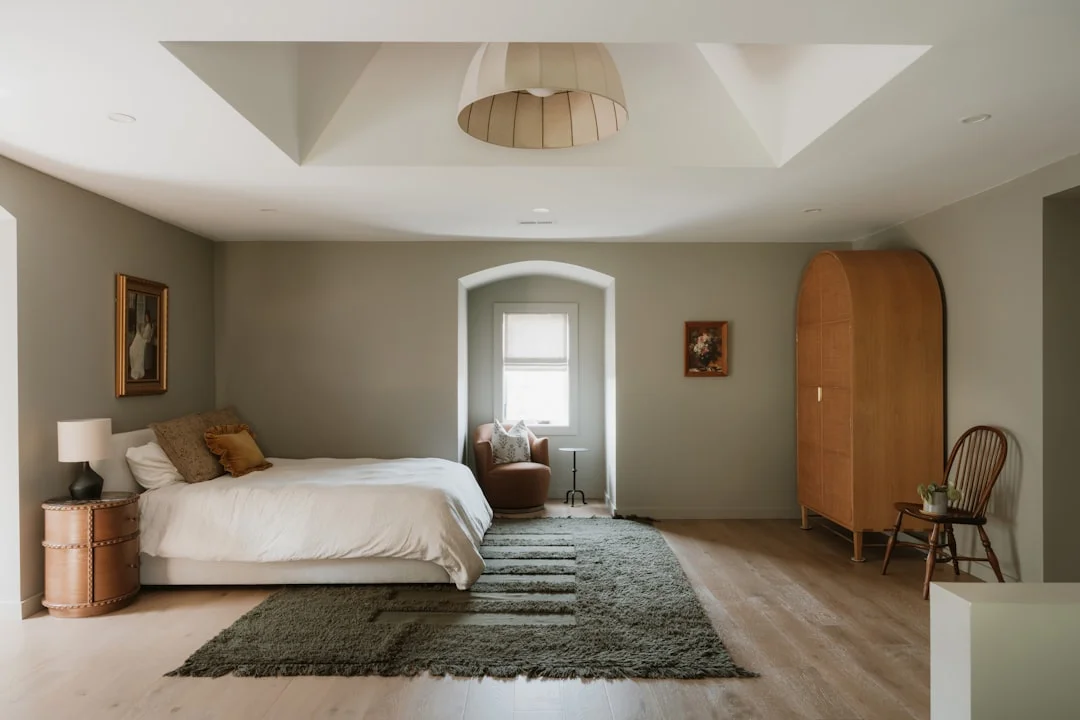
Modern environmental psychology and design principles often arrive at conclusions that resonate deeply with ancient Five Elements wisdom, albeit with different terminology. The framework provides a structured, holistic approach to creating spaces that actively support human psychology and behavior. The impact of space on mood and behavior is clearly explained through the elemental lens. An overabundance of Fire element (too much red, excessive bright light, sharp angles) can lead to agitation, irritability, and burnout—what we might call sensory overload. A deficiency of Wood (no plants, lack of vertical lines) can result in a feeling of stagnation, lack of inspiration, and difficulty initiating action. A balanced introduction of Earth elements (warm neutrals, square furniture) in a living room can foster the psychological safety needed for open communication and connection. In terms of productivity and lifestyle influence, the elements act as functional tools. Metal energy (clean lines, organized systems, white space) is crucial for focus and completing detailed work. Many minimalist and Scandinavian design trends heavily utilize Metal and Water (clarity and calm) to reduce cognitive load. Conversely, a creative studio would benefit from robust Wood energy (plants, growth imagery) to fuel innovation and Fire energy (dynamic lighting) to spark enthusiasm. The bathroom and kitchen naturally engage the Water and Fire elements literally, and their design can balance these powerful energies symbolically to promote healthy habits. The practical, real-life meaning is that we can consciously curate our environments to support our goals. One does not need to believe in mystical energy to appreciate that a cluttered, dark hallway (stagnant Qi, imbalance of elements) feels oppressive, while a clean, well-lit one with a mirror (activating Water for flow) feels more inviting. The Five Elements offer a tangible checklist: Does my space have the nurturing support of Earth? The clarity of Metal? The vitality of Wood? The warmth of Fire? The calm flow of Water? Adjusting these qualities allows us to become active participants in shaping the psychological and emotional tone of our daily lives.
Insights
- To cultivate a more peaceful and reflective atmosphere in a busy room, introduce the Water element through a small tabletop fountain or a piece of art featuring flowing, abstract curves.
- If your home office feels chaotic and hinders concentration, strengthen the Metal element by organizing cables, using a metallic desk lamp, and painting a wall a soft, matte gray to promote mental clarity.
- Enhance the nurturing Earth energy in your dining area by placing a square, ceramic centerpiece in earthy tones to subconsciously encourage grounding conversation and connection during meals.
- Counteract the draining effect of excessive screen time (a modern form of Fire) in a bedroom by adding living plants (Wood) and using soft, blue bedding (Water) to rebalance the space for rest.
- For a front entry that feels welcoming and prosperous, ensure the Qi can flow smoothly by avoiding clutter (stagnant Earth) and adding a bright light (Fire) and a circular metal mirror (Metal) to gently expand the space.
Conclusion
The Five Elements of Feng Shui provide a timeless and profoundly practical framework for understanding the dialogue between people and their spaces. By translating the abstract concept of Qi into the tangible language of Wood, Fire, Earth, Metal, and Water, this system empowers us to see our environments as compositions of energetic qualities. The ultimate aim is spatial harmony—a state where the elemental forces within a room or building are in a dynamic balance that supports the well-being and intentions of those who inhabit it. Whether approached through classical cycles and symbolism or through the lens of modern environmental psychology, engaging with the Five Elements encourages mindful design. It invites us to move beyond mere aesthetics to create spaces that are not only beautiful but are actively nurturing, inspiring, and aligned with how we wish to live and feel.