The arrangement of furniture within a home is far more than a matter of visual appeal or functional convenience. From the perspective of Feng Shui and traditional environmental wisdom, it is a deliberate act of shaping the invisible currents of energy, or Qi, that flow through a space. This energy directly influences the well-being, relationships, and vitality of the occupants. Thoughtful placement can transform a chaotic room into a sanctuary of harmony, while haphazard arrangements can create subtle yet persistent obstacles in daily life. This article explores the principles behind creating a balanced and supportive environment through intentional furniture arrangement, merging ancient theories with contemporary understanding.
Core Concept
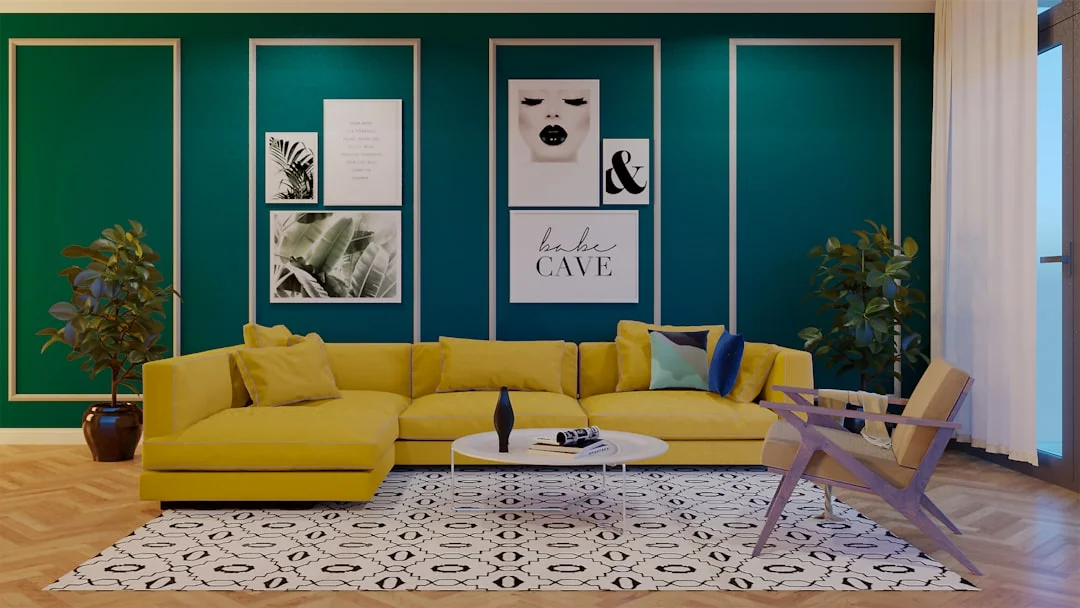
At its heart, arranging furniture for good Feng Shui is about managing the flow of Qi. Qi is the vital life force that circulates through all things, including our living spaces. When furniture is arranged to allow Qi to move in a gentle, meandering path, it nourishes the environment. Conversely, furniture that blocks, traps, or forces Qi into sharp, rushing lines creates stagnation or chaotic energy. This concept is not mystical but experiential; a room where you can move freely and feel at ease typically has good Qi flow, while a cluttered, cramped room feels draining. This space represents the stage upon which our daily lives unfold. The living room symbolizes social interaction and family harmony, the bedroom represents rest and intimacy, and the home office governs focus and prosperity. Each piece of furniture acts as an anchor or a guide for energy within these domains. A sofa placed in a commanding position, for instance, provides psychological security. A bed positioned stably against a solid wall supports restorative sleep. The layout directly influences how energy pools, moves, and interacts, thereby shaping the atmosphere and the experiences within it. Real-life examples include a dining table that is easily accessible from the kitchen fostering family connection, or a desk facing the door of a study enhancing a sense of control and awareness.
Traditional Feng Shui Perspective
Classical Feng Shui provides a structured framework for furniture arrangement based on timeless principles of balance and elemental interaction. The primary goal is to create a spatial environment that supports human life by aligning with natural laws. The principle of Yin-Yang balance is crucial. Yin represents receptive, quiet, and passive energy, while Yang is active, bright, and social. A room should balance both. A living room with only large, heavy furniture (Yin) can feel somber, while one with only small, scattered pieces (Yang) can feel restless. A balanced bedroom might have a solid, grounding bed (Yin) balanced with adequate space to move around it (Yang). The arrangement should avoid extremes, seeking a harmonious middle ground where both energies are present and supportive. The Five Elements theory—Wood, Fire, Earth, Metal, and Water—also guides placement through shape, material, and color. A rectangular wooden dining table (Wood element) placed in the East (the direction associated with Wood) can enhance family health and growth. A metal-framed chair (Metal) in the West might support clarity and precision. The arrangement should consider the productive and controlling cycles of these elements. For example, too much Wood element furniture (bookshelves, tall cabinets) in an area might overwhelm the Earth element, potentially destabilizing a sense of support. Qi flow and spatial harmony are paramount. The "Command Position" is a key concept for major furniture like beds, desks, and stoves. This position is diagonally opposite and facing the entrance door, without being in direct line with it. It allows occupants to see who enters without being startled, creating a subconscious sense of security and command over one's space. Pathways for Qi, akin to internal "dragons veins," should be clear. Furniture should not create sharp corners pointing at seating areas (known as "poison arrows" or "secret arrows"), as these are believed to direct cutting Sha Qi. Instead, layouts should favor rounded, flowing arrangements that encourage Qi to linger beneficially.
Modern Interpretation
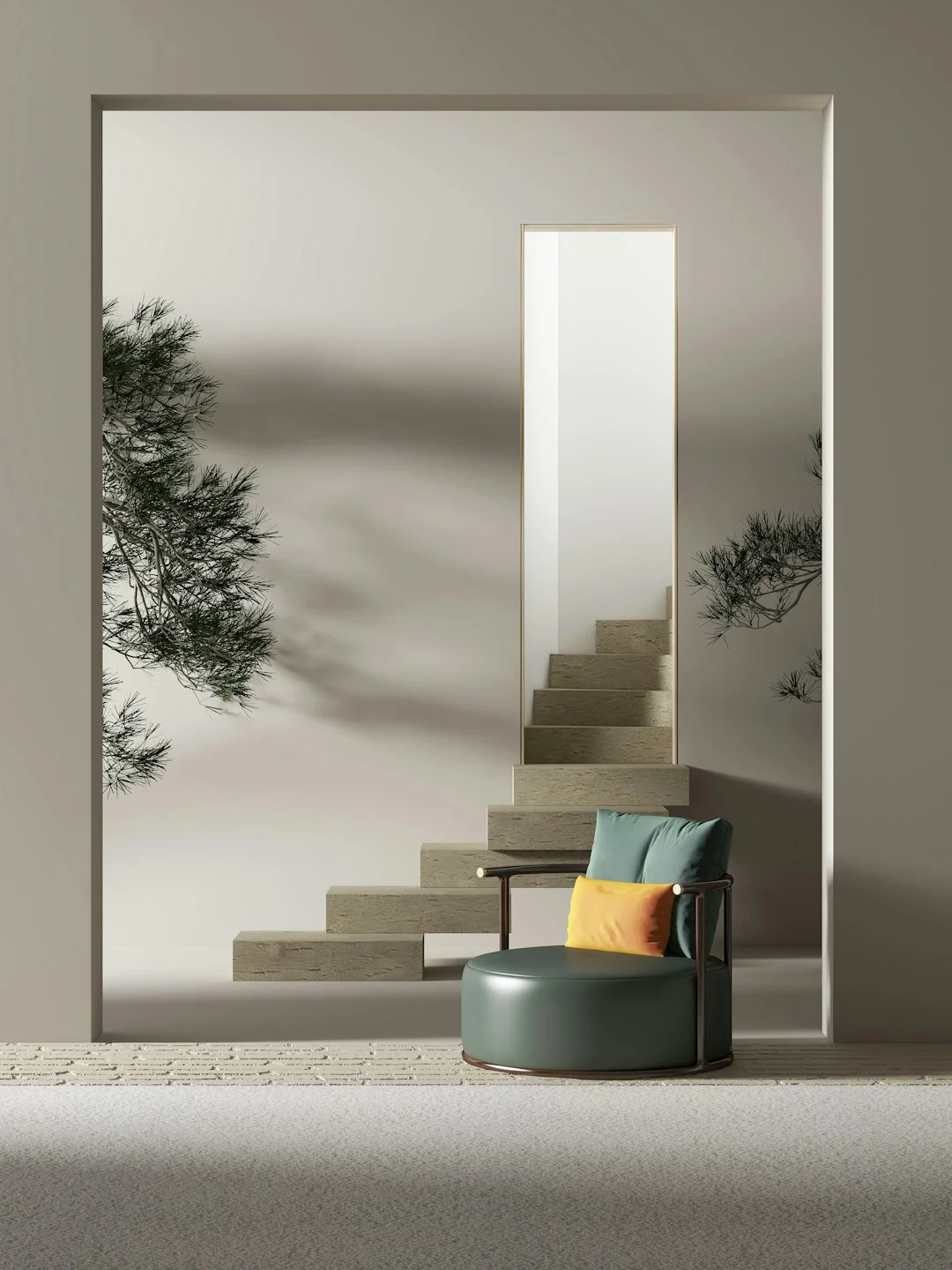
Modern environmental psychology and design principles echo many of these ancient insights, validating them through the lens of human behavior and cognitive response. The arrangement of furniture is understood as a powerful tool that subconsciously affects mood, stress levels, social dynamics, and productivity. From an environmental psychology standpoint, a well-arranged room reduces cognitive load. A clear path to the sofa, a bed with a clear view of the door, and an uncluttered desk all minimize subconscious anxiety and the mental effort required to navigate a space. This directly impacts stress, as chaotic environments trigger a low-level fight-or-flight response. A living room arranged to facilitate face-to-face conversation (chairs and sofas in a circular or semi-circular formation) fosters better communication and relationship bonding, aligning with Feng Shui's focus on social harmony. The impact on productivity and lifestyle is significant. A home office desk in the command position, with a solid wall behind it, provides a sense of support and reduces vulnerability, allowing for deeper focus. This mirrors Feng Shui's advice for career and knowledge areas. In the bedroom, keeping electronic devices and work-related furniture out of sight supports the psychological separation between work and rest, combating insomnia—a modern application of maintaining pure Yin energy for sleep. The practical meaning is clear: our environment either works for us or against us. Intentional furniture arrangement is a form of self-care, creating settings that actively support our desired states of being—be it relaxation, connection, or concentration.
Insights
- Always position your most important furniture, such as your bed or desk, to face the room's entrance while not being directly in line with the door to cultivate a sense of security and awareness.
- Ensure there is ample space to walk comfortably around all furniture to facilitate the smooth and unobstructed flow of energy and movement throughout your living space.
- Avoid arranging seating or beds so that they are directly in line with a long, narrow hallway, as this can channel rushing energy toward the occupant.
- Balance large, heavy pieces of furniture with adequate open space and lighter elements to create a visually and energetically harmonious environment that feels neither cramped nor sparse.
- Incorporate a variety of shapes and materials in your furniture selection to represent and balance the five elemental forces within a room.
Conclusion
Arranging furniture for good Feng Shui is an integrative practice that blends aesthetic sensibility with an understanding of environmental energy. It moves beyond superstition to embrace the tangible impact of space on human psychology and well-being. By applying core principles such as managing Qi flow, seeking the command position, and balancing Yin-Yang and the Five Elements, we can consciously design our interiors to support rather than hinder our lives. The modern interpretation confirms that these principles are fundamentally about creating spaces that feel right—spaces that offer security, foster connection, encourage rest, and inspire productivity. Ultimately, a home arranged with such intention becomes a true sanctuary, a physical manifestation of harmony that nurtures all who dwell within it.