The kitchen is far more than a utilitarian space for meal preparation. In the confluence of Feng Shui and traditional aesthetics, it is considered the heart of the home, a vital hub where the elemental forces of nourishment, transformation, and family gathering converge. The layout of this space directly governs the movement and quality of Qi, or life-force energy, which in turn influences health, prosperity, and domestic harmony. A well-considered kitchen design facilitates a smooth, nourishing flow of energy, while a problematic layout can create stagnation or conflict, subtly impacting the well-being of the household.
Core Concept
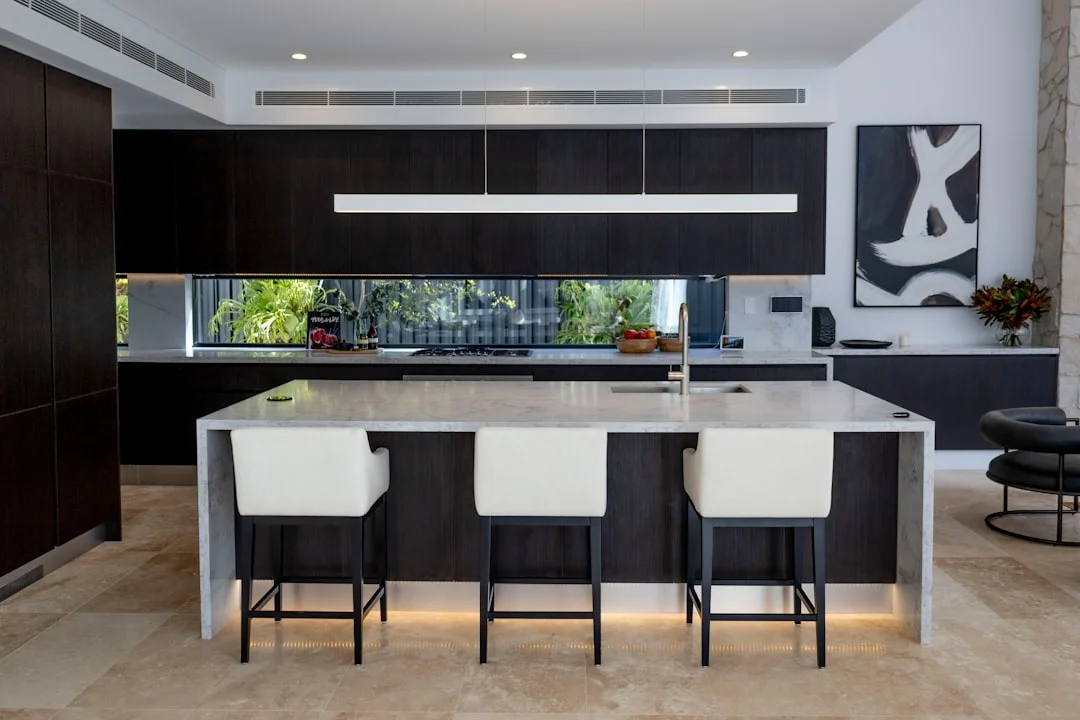
In Feng Shui philosophy, the kitchen represents the element of Fire, symbolizing transformation, vitality, and prosperity. This is because the primary action of cooking—turning raw ingredients into nourishing meals—is a literal alchemical process fueled by fire. The energy, or Qi, generated here should be vibrant, warm, and supportive, as it directly feeds the energy of the home's inhabitants. The layout acts as the channel for this Qi, determining whether it flows smoothly and accumulates beneficially or becomes trapped, chaotic, or destructive. A kitchen with a coherent layout allows for an intuitive and efficient workflow, which in energy terms means Qi can circulate without obstruction. For instance, a well-defined work triangle between the sink (Water), stove (Fire), and refrigerator (preservation, akin to Earth/Metal) creates a functional circuit. In real-life environments, a cramped kitchen with poor circulation often feels stressful and chaotic, making cooking a chore. Conversely, an open, airy kitchen with a logical placement of key appliances naturally becomes a welcoming center for family interaction, its good energy palpable.
Traditional Feng Shui Perspective
From a classical standpoint, the kitchen is a dynamic arena where the fundamental principles of Yin-Yang and the Five Elements are in constant, delicate interplay. The primary goal is to achieve a balanced yet potent environment where the dominant Fire element is controlled and harmonized, not extinguished or allowed to run wild. The Yin-Yang balance is crucial. The Yang aspects are active: the heat of the stove, the movement of cooking, and the bright lighting. The Yin aspects are receptive: the coolness of the refrigerator, the storage of food in cabinets, and the cleansing flow of water in the sink. A balanced kitchen honors both; it is neither overwhelmingly hot and cluttered (excessive Yang) nor dark, cold, and sterile (excessive Yin). The spatial harmony is achieved when these opposites coexist supportively. The Five Elements theory is paramount in kitchen design. The stove is Fire. The sink and dishwasher are Water. The refrigerator and metal appliances are Metal. Cabinetry and wooden cutting boards are Wood. The tiles, countertops (stone or ceramic), and the act of nourishing are Earth. The classic conflict is Water directly opposing Fire (e.g., sink facing stove), which symbolically douses the prosperity flame. The ideal interaction is a productive cycle: Wood (cabinets, utensils) feeds Fire (stove), Fire creates Earth (ashes, cooked food), Earth bears Metal (appliances), Metal enriches Water (sink), and Water nourishes Wood. A thoughtful layout avoids direct clashes and encourages these supportive sequences. Directionally, the traditional Bagua map associates the kitchen favorably with the South (Fire) sector, but its placement is more pragmatically about avoiding certain inauspicious positions, like the very center of the home (the Tai Qi, which should remain calm) or directly opposite the front door (where energy and prosperity might be symbolically "cooked away" and lost).
Modern Interpretation
Contemporary environmental psychology and design principles echo these ancient insights without using the traditional terminology. The modern interpretation focuses on how kitchen layout directly impacts mood, behavior, and daily life through sensory experience, ergonomics, and social dynamics. A kitchen with a poor layout, such as one with major appliances in a conflicting line or a blocked pathway, creates subconscious friction. This manifests as increased stress during meal preparation, a tendency for family members to argue in the space, or a general avoidance of cooking in favor of less healthy options. The environmental psychology is clear: cramped, ill-lit, and inefficient spaces elevate cortisol levels and reduce feelings of safety and capability. Conversely, a layout that supports a logical workflow reduces cognitive load and physical effort, making cooking a more enjoyable, even therapeutic activity. An open-plan kitchen that integrates with a living or dining area fosters social connection and supervision, aligning with modern values of family interaction and communal living. The placement of the stove with a clear view of the room (but not directly in line with a doorway) gives the cook a sense of command and security, a concept known as "the command position" in both Feng Shui and modern design psychology. The materials, colors, and lighting—all modern correlates to the Five Elements—are understood to affect mood; warm woods and earth tones feel grounding, while excessive stainless steel (Metal) can feel cold and impersonal if not balanced.
Insights
- Position your primary cooking surface so you can see the entrance to the kitchen, which alleviates subconscious unease and allows you to engage with others while cooking.
- Avoid placing your sink and stove directly opposite or adjacent to each other to prevent the symbolic conflict of water extinguishing your hearth's nourishing fire.
- Incorporate the nurturing Earth element through stone countertops or ceramic decor to stabilize the kitchen's dominant Fire energy and promote a grounded feeling.
- Ensure all major appliances and cabinet doors are in good working order, as stuck or broken items represent stagnant Qi and can subconsciously frustrate daily routines.
- Maintain a clear and spacious pathway through the kitchen's core work area to allow both people and energy to move freely without obstruction or collision.
Conclusion
The layout of a kitchen profoundly influences the energy dynamics of a home, serving as a practical intersection of ancient wisdom and modern living. By understanding the kitchen as a realm of transformative Fire that requires balance through the other elements, we can design spaces that are not only efficient but also energetically supportive. Whether approached through the lens of classical Feng Shui principles—managing the interplay of Water and Fire, fostering productive elemental cycles—or through contemporary environmental psychology—focusing on workflow, mood, and social interaction—the outcome sought is the same: a heart of the home that nourishes the body, calms the mind, and strengthens the bonds of those who gather within it. A harmonious kitchen layout cultivates a flow of energy that supports vitality and well-being in every aspect of daily life.