In the intricate system of Feng Shui, the main door of a home or office is considered the primary mouth through which the building breathes. It is the critical portal where external environmental energy, known as Qi, enters and is distributed throughout the interior space. The direction this door faces is not merely a matter of architectural convenience but is analyzed as a fundamental determinant of the quality and character of the energy received. This orientation acts as a filter, aligning the inhabitants with specific cosmic forces, seasonal influences, and elemental qualities that shape their daily experience, fortune, and well-being.
Core Concept
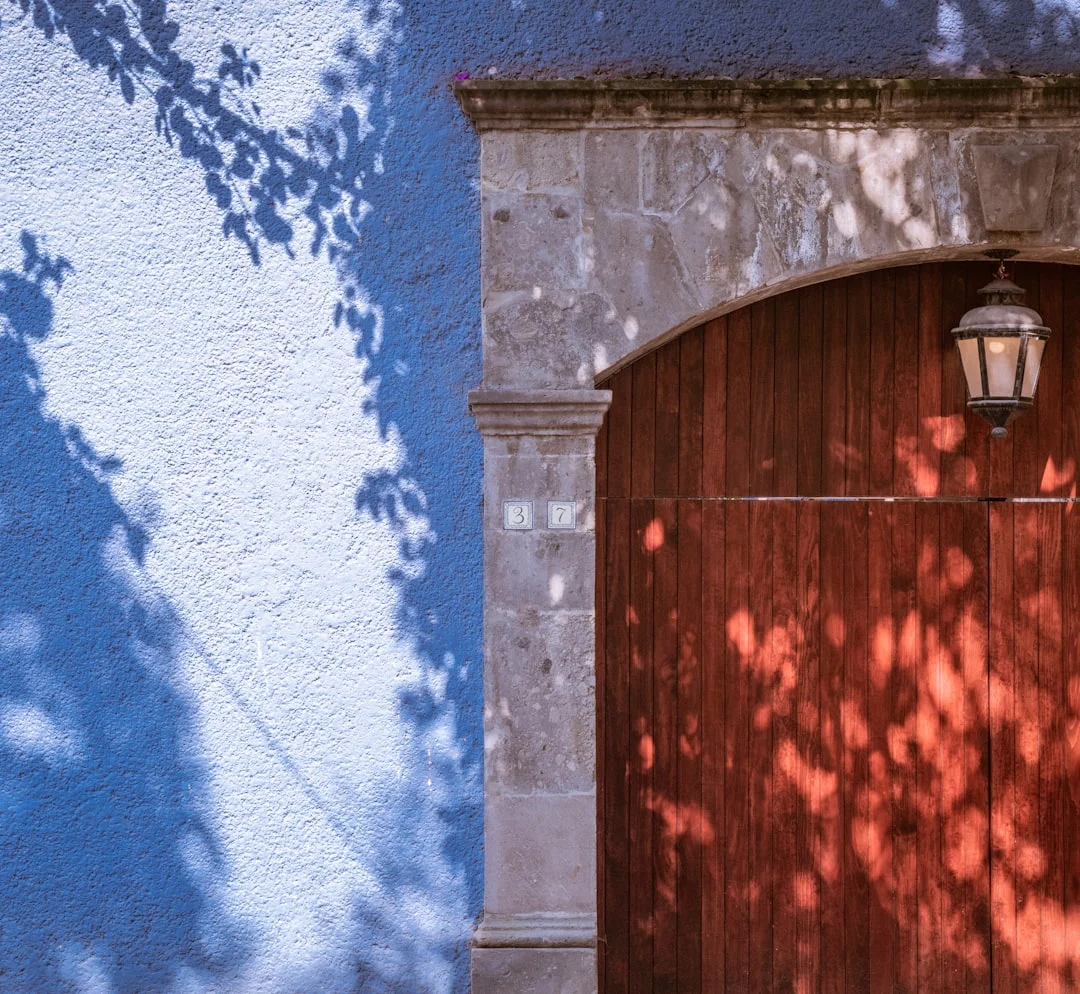
At its heart, the direction of a door in Feng Shui represents the primary point of engagement between an individual's private sanctuary and the wider world. It is the first and most significant interface for the flow of environmental energy, or Qi. This incoming Qi carries the imprints of the direction it comes from—be it the warm, expansive energy of the south or the cool, contemplative energy of the north. The door's orientation determines the initial quality of this energy before it circulates through rooms and hallways. Think of the main door as the front gate to a garden. If the gate faces a sunny meadow, the garden will be bathed in warmth and light, favoring certain plants. If it faces a shaded forest, the garden will receive cooler, damper air, favoring a different ecosystem entirely. Similarly, a south-facing door welcomes bright, active Yang energy associated with fame and vitality, while a north-facing door invites more introspective, career-oriented Yin energy. The door's direction sets the foundational tone for everything that happens inside, influencing the potential for prosperity, relationship harmony, health, and personal growth by determining which elemental and seasonal forces are most actively invited in.
Traditional Feng Shui Perspective
Classical Feng Shui employs several sophisticated systems to analyze door direction, with the Later Heaven Ba Gua and the Lo Shu square being central tools. The Ba Gua is an eight-sided map where each direction correlates with a life aspect, a family member, a number, and an element. The door's direction activates the corresponding area of this map for the entire home. For instance, a door facing East aligns with the Zhen area, governing health, family, and new beginnings, and is associated with the Wood element and the spring season. This orientation would be considered auspicious for fostering growth, vitality, and supportive family dynamics. The interaction of the Five Elements is paramount. Each direction corresponds to an element: East and Southeast to Wood, South to Fire, Southwest and Northeast to Earth, West and Northwest to Metal, and North to Water. The door's element must be harmonized with the element of the facing direction and the building's overall structure. A door facing South (Fire) made of wood (Wood) creates a productive cycle where Wood feeds Fire, potentially enhancing the door's ability to attract recognition and energy. Conversely, a metal door (Metal) facing East (Wood) creates a destructive cycle where Metal chops Wood, potentially stifling the growth and health energy associated with that direction. Yin-Yang balance is also assessed through direction. Southern and eastern orientations are generally considered more Yang—active, bright, and expansive. Northern and western orientations carry more Yin qualities—receptive, calm, and consolidating. A balanced home might benefit from a door direction that complements the overall Yin or Yang nature of the inhabitants and the property's site. Furthermore, the concept of "facing direction" is meticulously calculated, often referring to the direction the door opens toward from the inside looking out, which requires precise compass measurement rather than a simple guess.
Modern Interpretation
Through the lens of environmental psychology and modern design, the principles of door direction find resonant, practical explanations. The direction a door faces has a direct and measurable impact on the environmental conditions inside: light exposure, temperature patterns, prevailing views, and even wind and sound penetration. A north-facing entrance in the Northern Hemisphere will receive little to no direct sunlight, potentially creating a cooler, darker foyer that may feel less welcoming and require more artificial light and heat, subtly affecting mood and energy bills. This directly influences human psychology and behavior. An east-facing door that welcomes the morning sun can literally and metaphorically fill a home with optimistic, activating energy, setting a positive tone for the day. A west-facing door might flood the entrance with strong afternoon light and heat, which could feel overwhelming and lead to a space that feels "exhausted" by evening. The subconscious perception of entry—whether one steps into a bright, airy space or a dim, confined one—powerfully affects one's sense of arrival, transition from public to private life, and overall stress levels. In practical terms, door direction influences lifestyle and functionality. The orientation affects how weather enters the home; a door facing the direction of prevailing storms or cold winds can lead to practical discomfort and higher maintenance. The view from the door also frames the first impression of the home, impacting a sense of safety, privacy, and connection to the neighborhood. Modern interpretation focuses on optimizing these tangible factors—light, climate, prospect, and refuge—to create an entry sequence that supports psychological well-being, reduces daily friction, and aligns the home's function with its natural environmental context.
Insights
- Positioning a welcoming light or a vibrant, healthy plant near an entrance that lacks natural sunlight can symbolically and practically compensate for the missing Yang energy.
- For a door facing a direction with a conflicting elemental quality, introduce the generating element; for example, place a ceramic pot (Earth) near a West-facing (Metal) door to let Earth nurture Metal.
- Ensure the interior pathway from the door is clear and inviting to facilitate the smooth flow of energy and create a positive first impression for both residents and guests.
- Regularly maintain the door hardware and keep the exterior approach clean and well-lit to strengthen the perceived and actual quality of energy entering your home.
- Consider the door's direction when choosing its color, using hues that either harmonize with or gently strengthen the associated element of that orientation.
Conclusion
The direction of a door in Feng Shui is far more than a compass point; it is a foundational setting that influences the dialogue between a building and its environment. Traditional analysis reveals a complex system of directional symbolism, elemental interplay, and Qi mechanics that map potential influences on various life domains. The modern understanding translates these principles into the tangible realities of light, climate, psychology, and practical living. Whether approached through classical theory or contemporary environmental design, mindful consideration of door direction encourages the creation of an entrance that not only shelters but also actively harmonizes with the natural world, setting a deliberate and supportive tone for all that occurs within.