The ancient Chinese art of Feng Shui is fundamentally a practice of creating harmony between an individual and their environment. At its heart lies the theory of the Five Elements—Wood, Fire, Earth, Metal, and Water—a dynamic system that describes the fundamental energies present in all things. In the context of the home, these elements are not merely physical materials but symbolic forces that interact to shape the flow of Qi, or life force energy. A balanced home is one where these elements support and regulate one another, fostering an atmosphere of well-being, stability, and vitality. This article explores how to understand and apply the Five Elements to cultivate balanced energy within your living spaces.
Core Concept
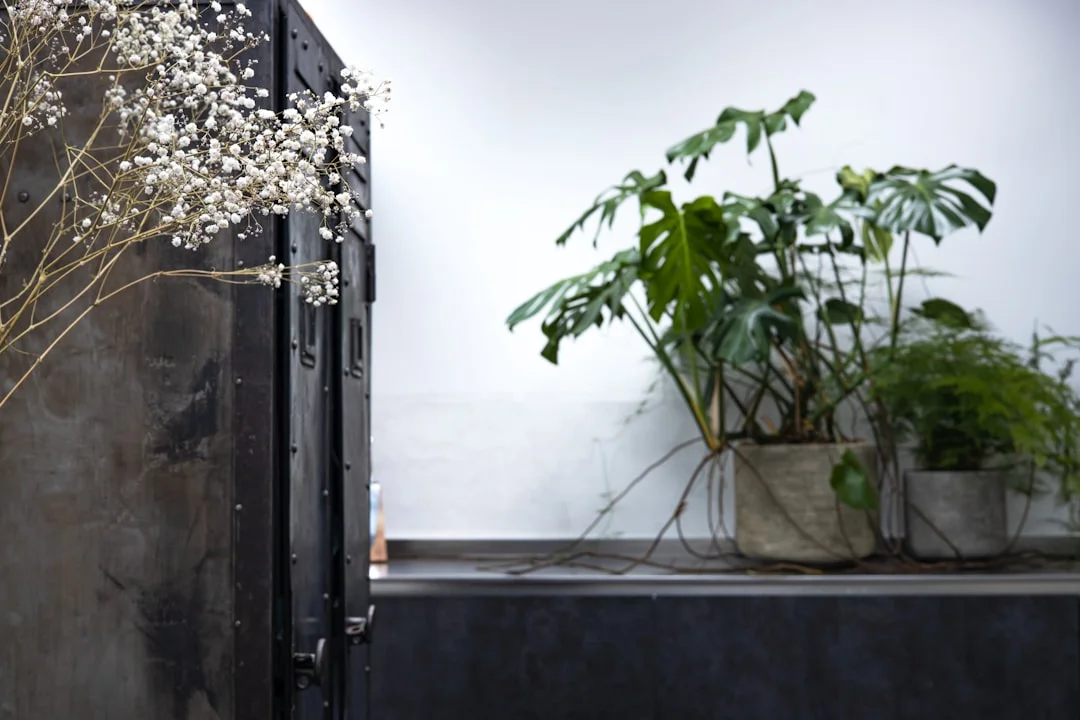
The Five Elements theory is a framework for understanding how different qualities of energy interact. Each element corresponds to specific shapes, colors, materials, and even emotional states. In a home, every object, room, and architectural feature carries the resonance of one or more of these elements. The goal is not to have equal amounts of each, but to create a supportive cycle where elements nourish each other in a productive sequence, while avoiding a destructive cycle where elements clash and deplete energy. Wood represents growth, vitality, and upward movement. It influences energy by encouraging expansion and new beginnings. In an environment, this is seen in vertical lines, columnar shapes, the color green, and living plants. A room with healthy plants and wooden furniture often feels fresh and invigorating. Fire embodies passion, warmth, and high energy. It influences Qi through brightness, activity, and transformation. Real-life examples include triangular shapes, the colors red, orange, and purple, candles, lighting fixtures, and electronics. A well-lit kitchen or a living room with a fireplace channels Fire energy effectively. Earth symbolizes stability, nourishment, and grounding. It influences energy by providing a center and a sense of security. It is represented by square shapes, flat surfaces, earthy tones like yellow and brown, and ceramic or clay objects. A low, square coffee table or a tiled floor in a common area promotes Earth energy. Metal conveys precision, clarity, and contraction. It influences Qi by creating structure, focus, and mental acuity. Circular and arched shapes, white and metallic colors, and actual metal objects like frames or utensils embody this element. A tidy, organized home office with metal filing cabinets supports Metal energy. Water signifies flow, wisdom, and calm depth. It influences energy through its reflective and peaceful qualities. Wavy, irregular shapes, the colors black and deep blue, mirrors, and actual water features like aquariums or fountains represent Water. A quiet reading nook with a softly reflective surface can introduce calming Water energy.
Traditional Feng Shui Perspective
From a classical Feng Shui viewpoint, the Five Elements are inseparable from the principles of Yin-Yang balance and directional energies. A space is analyzed as a microcosm of the natural world, where the optimal flow of Qi is the ultimate objective. The interaction of the elements is cyclical. The productive cycle sees Wood feeding Fire, Fire creating Earth (ash), Earth bearing Metal, Metal enriching Water (as in mineral water), and Water nourishing Wood. The destructive cycle, to be mitigated, sees Wood depleting Earth, Earth muddying Water, Water extinguishing Fire, Fire melting Metal, and Metal chopping Wood. Yin-Yang balance in space is directly influenced by elemental composition. A room overly dominant in Fire (bright lights, strong reds) is excessively Yang, leading to agitation. Introducing Water (cool colors, a reflective surface) or Earth (stable, square forms) can introduce calming Yin to restore equilibrium. Conversely, a basement with too much Water (dampness, darkness) may feel stagnant and overly Yin; adding Fire (light, warmth) or Wood (plants, upward energy) can activate and warm the space. Qi flow and spatial harmony are achieved by ensuring no single element becomes overly dominant or weak. The symbolism of layout plays a key role. For instance, the central area of a home is associated with the Earth element. Keeping this space clear, clean, and lightly decorated in earthy tones helps ground the entire home’s energy. The placement of elements according to the Bagua, or energy map, is also traditional. The Fame and Reputation area (South) benefits from Fire elements, while the Career area (North) is supported by Water. The structure and materials of the home itself contribute. A house with excessive metal railings and minimal wood may feel cold and rigid, lacking the nurturing quality of Wood and the warmth of Fire. Introducing textiles, plants, and warmer lighting can re-establish balance within the classical framework.
Modern Interpretation
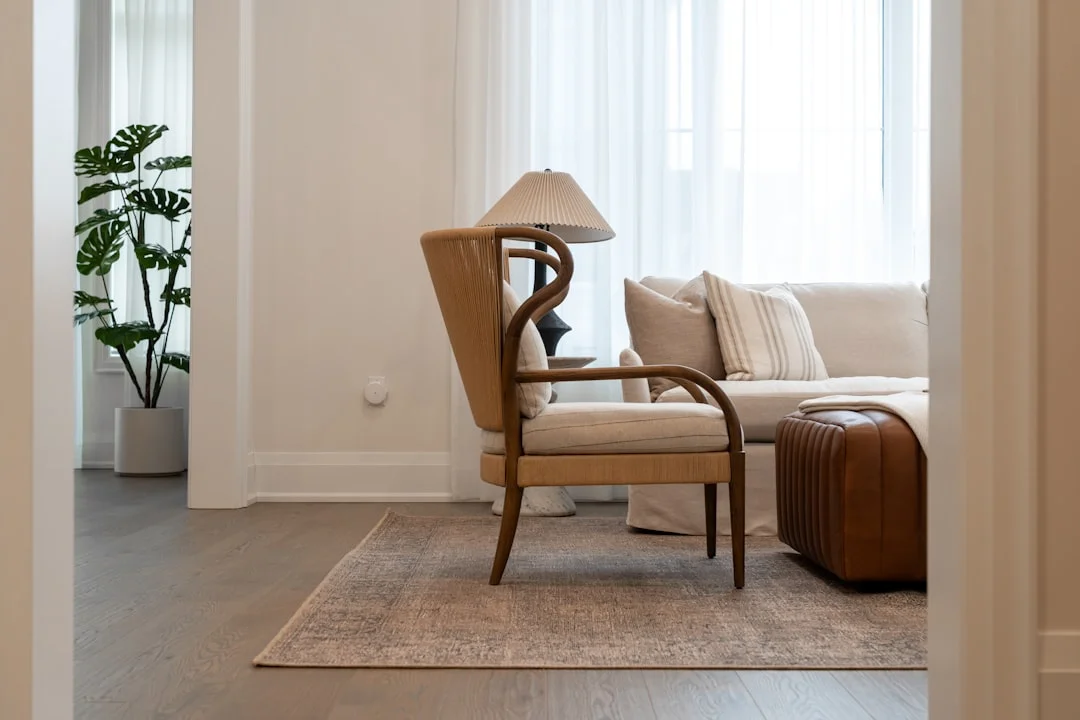
Modern environmental psychology and design principles often arrive at similar conclusions as Feng Shui, albeit through different terminology. The Five Elements can be understood as a language for describing how our surroundings impact our subconscious, mood, and behavior. Balancing these elements is essentially about creating a habitat that supports our psychological and physiological needs. The impact of space on mood is clearly illustrated by the elements. An overabundance of unchecked Fire energy (clutter of electronics, harsh lighting) can subconsciously increase stress and irritability, as modern studies on overstimulation would confirm. Introducing Water (calming blue hues, order) or Earth (organized, neat spaces) can induce a sense of control and calm, reducing anxiety. A room lacking Wood energy (no plants or natural light) may feel lifeless and dampen creativity, correlating with biophilic design research that confirms the positive effects of nature integration on human well-being. Productivity is heavily influenced by Metal and Wood energies. A home office that harnesses Metal (organization, clear surfaces, minimal distraction) enhances focus and clarity. Supporting it with Wood (a healthy plant on the desk, a wooden bookshelf) encourages growth and prevents the space from becoming sterile. Lifestyle influence is seen in communal areas. The living room, a space for connection, often benefits from a balanced mix of Fire (warm lighting for sociability), Earth (comfortable, grounding furniture), and Water (a reflective surface like a television or artwork to share). The practical real-life meaning is that we intuitively seek elemental balance. We add a throw blanket (Earth/Textile) to a leather sofa (Metal) for comfort. We place a wooden bowl (Wood) on a stone countertop (Earth). We soften a room with hard angles (Metal) by adding a round rug (Metal) and a flowing plant (Wood). Modern interpretation encourages mindful decoration—choosing objects not just for style, but for the energetic quality they contribute to your domestic ecosystem.
Insights
- To counteract the draining energy of a home office dominated by technology (Fire), introduce a small Earth element, such as a ceramic paperweight or a square yellow cushion, to provide stabilizing and grounding support.
- If a bedroom feels too energetically active and hinders sleep, reduce Fire elements like bright lights and electronics while incorporating more Water energy through deep blue bedding or a gently curved bedside table.
- Strengthen the nurturing and supportive energy of your dining area, a space for family connection, by ensuring a balance of Wood (a centerpiece with fresh branches) and Earth (a solid wooden table) to promote growth and stability together.
- For a front entryway that feels cramped or stagnant, introduce a Metal element like a round mirror to energetically expand the space and reflect incoming light, while a single healthy plant adds vital Wood energy.
- Balance a living room with a dominant stone fireplace (Earth) by adding elements of Wood in the form of tall bookshelves and Fire in the form of candlelight to create a productive cycle of energy.
Conclusion
Balancing the Five Elements within a home is a continuous and intuitive practice of environmental attunement. It moves beyond mere decoration into the realm of creating a supportive and resonant habitat. By understanding the qualities of Wood, Fire, Earth, Metal, and Water, we gain a symbolic language to diagnose and adjust the energy of our spaces. Whether approached through classical Feng Shui principles or the lens of modern environmental psychology, the outcome is the same: a home that feels harmonious, reflects our needs, and actively contributes to our sense of peace, vitality, and well-being. The ultimate balance is achieved not by rigid rules, but by cultivating a mindful relationship with the space you inhabit.