In the art of environmental harmony, every object within a space contributes to the overall energetic tapestry. Rugs, often overlooked as mere decorative or functional items, hold significant power in shaping the flow of Qi, or life force energy, within a room. They are not simply floor coverings but active participants in defining boundaries, influencing movement, and establishing the foundational energy of a space. By understanding their role through the lens of classical Feng Shui and modern environmental psychology, we can intentionally use rugs to cultivate balance, comfort, and positive energy in our living and working environments.
Core Concept
In Feng Shui, a rug represents the foundational energy of a space, much like the earth element itself. It grounds the room, provides stability, and directly influences how energy circulates and settles. The rug acts as an energetic anchor, defining a specific area and creating a sense of containment and security. Its material, color, pattern, and placement all work together to either facilitate a smooth flow of Qi or create subtle blockages and disturbances. The primary influence of a rug on energy is through its interaction with foot traffic and furniture arrangement. A well-placed rug can gather and hold beneficial Qi in a specific area, such as a conversation zone in a living room, encouraging people to linger and connect. Conversely, a poorly chosen or positioned rug can disrupt the natural pathways of movement, causing energy to become stagnant or chaotic. For instance, a small, slippery rug in a high-traffic hallway may symbolize instability and create a physical and energetic hazard. In a real-life example, a large, plush rug under a dining table helps to ground the energy of meals and conversation, fostering a sense of unity and nourishment for those gathered around it.
Traditional Feng Shui Perspective
From a classical standpoint, rugs are powerful tools for managing Yin-Yang balance and the Five Elements within a space. A room with too much hard, reflective surface (Yang) can feel cold and unwelcoming. Introducing a soft, textured rug (Yin) immediately introduces a balancing feminine principle, adding warmth, comfort, and a sense of receptivity. The thickness and pile of the rug further modulate this balance; a thick, shaggy rug is profoundly Yin, while a flat, tightly woven one carries more Yang energy. The Five Elements theory is deeply engaged through a rug’s color, pattern, and material. A green or rectangular-patterned rug introduces the Wood element, promoting growth and vitality, ideal for an eastern or southeastern space. A red rug or one with triangular motifs brings the Fire element, enhancing passion and recognition, suitable for a southern area. Earth tones like beige or yellow, or square patterns, strengthen the Earth element, fostering stability and relationships in the center or southwest. White, gray, or circular designs embody the Metal element, supporting clarity and precision in the west or northwest. Finally, a blue or black rug with undulating, wave-like patterns channels the Water element, encouraging flow and career prospects in the north. Qi flow is critically affected by rug placement. A rug should be proportionate to the furniture it serves; a rug that is too small for a seating arrangement causes the furniture to appear "off the cliff," symbolizing a lack of support for occupants. The rug should unify key furniture pieces, allowing energy to coalesce. Furthermore, rugs can be used to correct challenging architectural layouts. A long, narrow hallway (which accelerates Qi) can be calmed with a series of rugs, effectively breaking the "energy arrow" into more manageable, grounded segments. Symbolically, a rug with an upward-moving pattern can lift energy, while one with a centered, medallion-style pattern helps to focus and contain Qi at the heart of a room.
Modern Interpretation
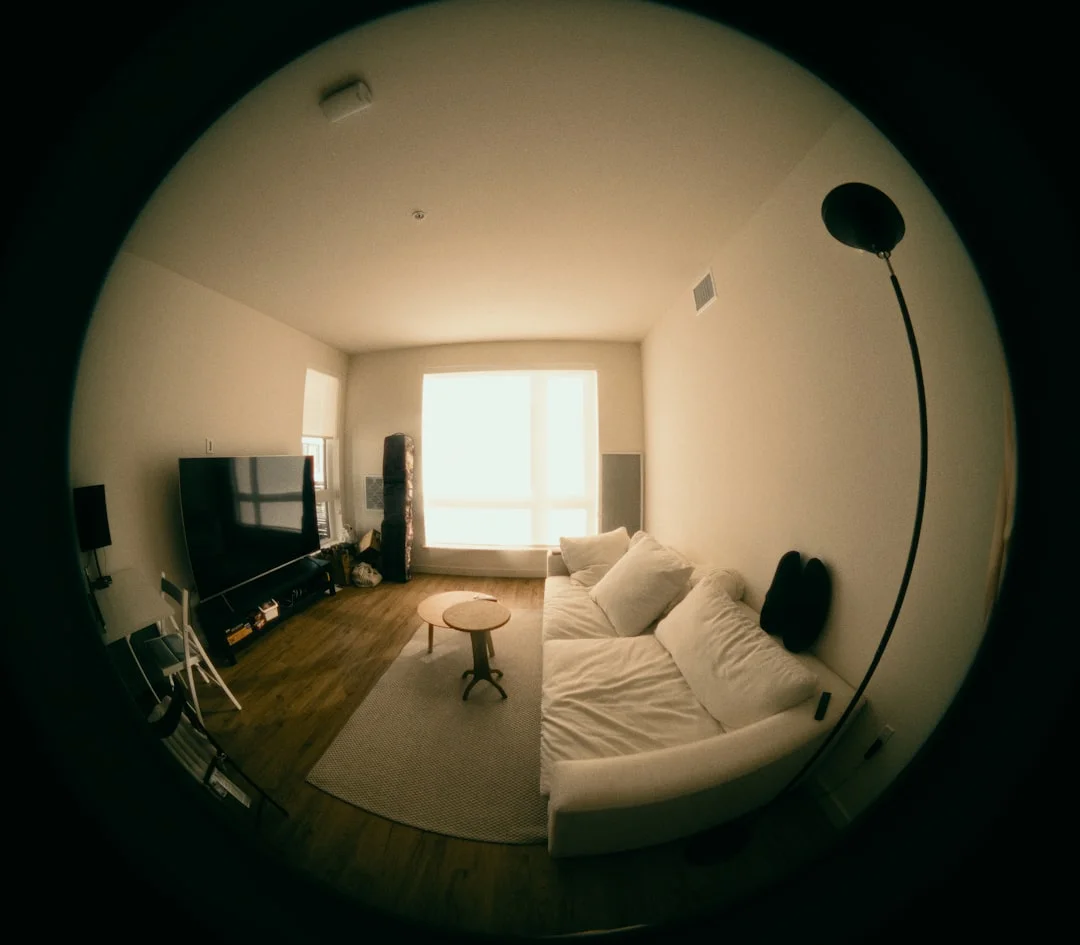
Through the framework of environmental psychology, the Feng Shui principles of rugs translate into tangible impacts on mood, behavior, and cognitive function. A rug fundamentally alters the acoustic and tactile experience of a room. Hard floors reflect sound, creating echoes that can subconsciously elevate stress levels and reduce the sense of privacy. A rug absorbs sound, dampening noise pollution and fostering a quieter, more intimate atmosphere conducive to relaxation or focused conversation. The visual weight and texture of a rug directly influence our perception of a space and our behavior within it. A large, defining rug in an open-plan living area psychologically creates a "room within a room," providing a subconscious cue for specific activities, such as socializing or reading. This defined zone reduces cognitive load by clarifying the purpose of the space. The tactile feedback underfoot is equally important; the soft resistance of a plush rug signals comfort and safety to the nervous system, encouraging slower movement and a more settled state of mind, whereas a hard, smooth floor prompts quicker, more transactional movement. In terms of lifestyle and productivity, a rug in a home office can demarcate the work zone from the living space, aiding in mental compartmentalization and reducing work-related stress when one is "off the rug." The color psychology of the rug aligns with Feng Shui’s elemental theory: a blue rug may promote calm and focus (Water), while a subtly patterned green one might support sustained creative effort (Wood). Practically, a rug’s real-life meaning is about creating intentional domains of experience—defining where we connect with family, where we rest, and where we work—through subtle environmental cues that guide both energy and action.
Insights
- A large area rug that allows all front legs of your primary seating furniture to rest upon it creates an anchored and supportive social area, gathering positive energy for conversation.
- Choosing a rug with colors and patterns that complement the elemental needs of a room's compass direction can subtly enhance specific life areas, such as relationships or career.
- Placing a high-quality, non-slip pad beneath your rug ensures both physical safety and symbolizes a stable foundation for the energy you are cultivating in the space.
- Regularly cleaning and vacuuming your rug is essential not only for hygiene but also for clearing stagnant energy and allowing fresh Qi to circulate freely across this foundational surface.
- In a bedroom, opt for a rug with a soft, inviting texture placed beside the bed to provide a gentle and grounding first step each morning.
Conclusion
Rugs serve as a critical interface between the inhabitants of a space and the energy that flows through it. They are far more than decorative accents; they are active instruments for shaping the environmental experience. By applying the timeless principles of Feng Shui—considering balance, elemental expression, and Qi movement—alongside modern understandings of environmental psychology, we can select and position rugs with intention. This practice transforms them from passive floor coverings into powerful tools for fostering stability, defining purpose, and nurturing the well-being of everyone who shares the space. Ultimately, a thoughtfully chosen rug grounds not just the furniture, but the very energy of our lives.