In the intricate system of Feng Shui, the environment is a living tapestry of energy, and every element within it contributes to the overall harmony and fortune of its inhabitants. Plants, as vibrant representatives of the natural world, hold a particularly potent position. They are not merely decorative; they are dynamic agents that can cultivate, circulate, and transform Qi, or life force energy. When strategically integrated, plants become powerful allies in enhancing wealth Feng Shui, which pertains to the flow of abundance, opportunities, and prosperous energy into one's life and space.
Core Concept
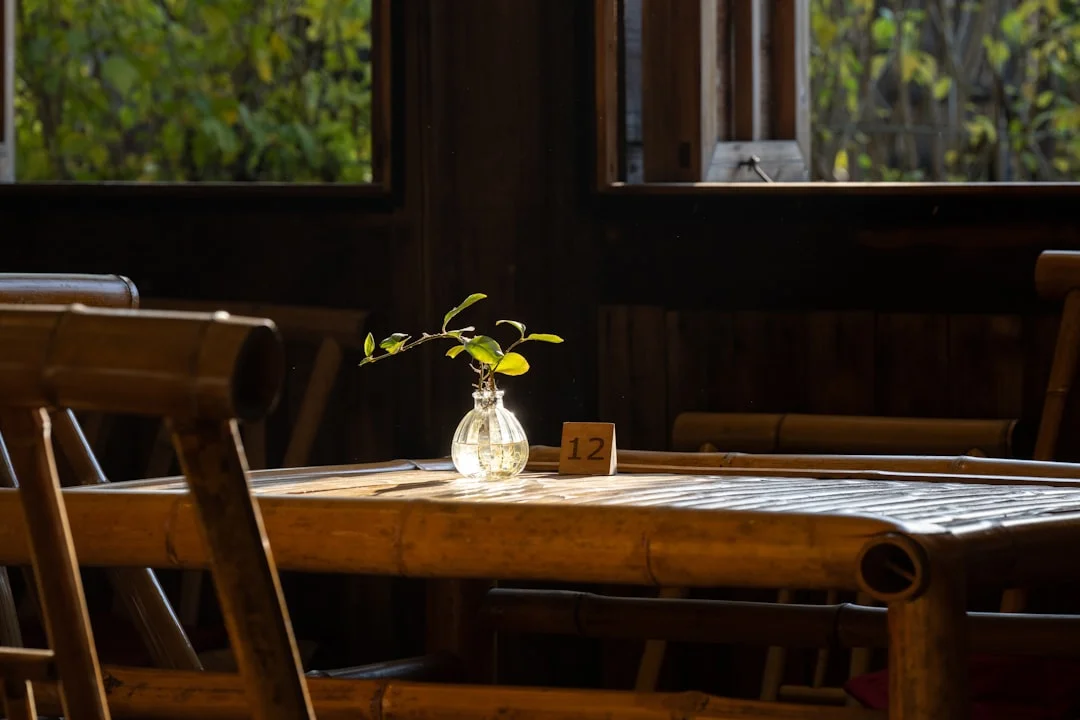
At its heart, the role of plants in wealth Feng Shui revolves around their intrinsic properties of growth, vitality, and upward movement. A healthy, thriving plant symbolizes flourishing life and expanding potential, directly mirroring the desire for growing resources and prosperity. They influence energy by actively generating fresh, positive Qi through photosynthesis and transpiration, while their physical forms can gently guide or soften the flow of existing energy currents. In practical terms, plants represent the Wood element within the Five Elements theory. Wood energy is associated with growth, expansion, flexibility, and new beginnings—all qualities essential for financial development and career advancement. A space devoid of living plants can feel stagnant, while one enriched with greenery feels alive with possibility. Real-life examples include a robust Jade plant placed near the entrance of a small business to invite customer flow and wealth, or the use of upright, bamboo-like plants in a home office corner to support upward career mobility and the steady accumulation of resources.
Traditional Feng Shui Perspective
From a classical viewpoint, plants are masterful tools for manipulating environmental energy according to timeless principles. The Yin-Yang balance is directly affected by plant selection and placement. Lush, broad-leafed plants (like the Rubber Plant) embody more Yang energy—active, growing, and outward. They are excellent for stimulating areas that feel too quiet or inactive. Delicate, trailing plants (like Ivy) carry more Yin energy—receptive, calming, and inward. They can soften an overly harsh, Yang environment. A balanced wealth area should have a harmonious mix, perhaps a strong Yang plant for growth impetus paired with a Yin element like a rounded pot to contain and nurture that energy. The Five Elements interactions are crucial. Plants are the primary manifestation of the Wood element. In the productive cycle of the elements, Wood feeds Fire (representing fame and recognition), and is nourished by Water (representing career and flow). Therefore, placing healthy plants (Wood) in the South sector (Fire) of a space can strengthen reputation and opportunities that lead to wealth. Conversely, placing them in the East (the natural home of Wood) supports personal growth and family prosperity. However, caution is advised: too many plants (excess Wood) can metaphorically "exhaust" the Earth element (representing stability and resources) or be damaged by an overabundance of Metal (representing precision and cutting), disrupting the elemental harmony essential for sustained wealth. Qi flow and spatial harmony are physically managed by plants. They can be used to deflect or soften "Shar Qi," or negative cutting energy, from sharp corners or long, straight corridors that might otherwise disrupt the gentle, meandering flow of "Sheng Qi," or nourishing energy. A bushy plant can round off a harsh corner in a wealth sector, allowing prosperity energy to accumulate instead of being scattered. Furthermore, the symbolism of a plant's form is significant. Plants with rounded, coin-shaped leaves (like the Chinese Money Plant) are directly symbolic of wealth. Those that grow upward (like Lucky Bamboo) symbolize upward growth in income and status.
Modern Interpretation
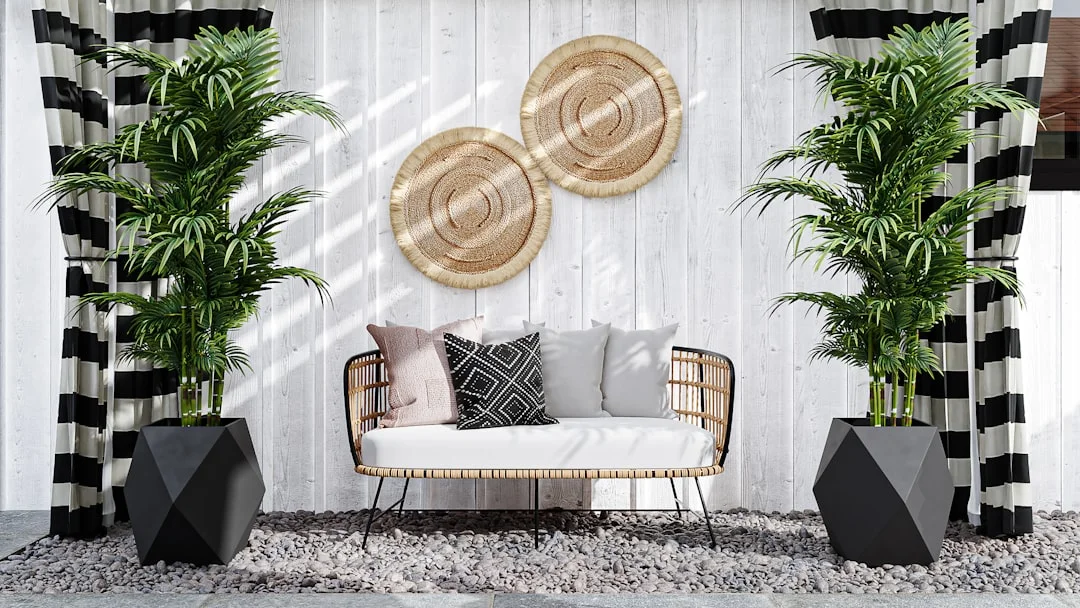
Contemporary understanding bridges these ancient principles with environmental psychology and practical lifestyle benefits, explaining why these practices resonate so deeply. From an environmental psychology perspective, plants in a workspace or home reduce stress, enhance concentration, and boost overall mood. A calm, focused mind is far more capable of recognizing opportunities, making sound financial decisions, and engaging in productive work—the very foundations of creating wealth. Studies on biophilic design confirm that connection to nature within built environments increases cognitive function and creativity, leading to better problem-solving and innovation in business. The impact on behavior is tangible. A well-placed, beautiful plant in a home office or reception area creates a more inviting and professional atmosphere. This can improve client interactions, foster productive negotiations, and enhance one's personal brand, all of which have direct financial implications. In a home, a healthy plant in the dining area or kitchen (linked to abundance) can promote healthier eating habits and more mindful consumption, reflecting a holistic approach to managing resources. Ultimately, the practical meaning is about cultivating an environment that supports a prosperous mindset and action. Caring for a plant requires consistency, attention, and nurturing—qualities equally necessary for cultivating wealth. A space filled with thriving greenery subconsciously reinforces a narrative of growth, care, and successful cultivation, moving the inhabitant away from a mindset of scarcity and toward one of abundance and active stewardship.
Insights
- Place a healthy, upright plant in the wealth corner (typically the southeast) of your living room to symbolically activate and nourish the energy of growth and material abundance in your household.
- Use plants with rounded, fleshy leaves like the Jade plant near entrances to invite prosperous energy while softening any harsh incoming lines from doors or hallways.
- Avoid placing spiky or thorny plants like cacti in primary wealth areas, as their defensive shape can generate subtle psychological tension and disrupt harmonious energy flow.
- Ensure your prosperity-enhancing plants receive adequate light and water, as a dying plant symbolizes withering opportunities and creates a negative focal point in your environment.
- Incorporate the Water element by using a blue pot or placing a small indoor fountain near your Wood-element plants to create a productive cycle that supports career flow and financial resources.
Conclusion
Plants serve as a profound and accessible bridge between the natural world and our built environments within wealth Feng Shui. Their influence operates on multiple levels: through the traditional lens of elemental interplay and Qi manipulation, and through the modern understanding of psychological well-being and behavioral cues. By intentionally selecting and placing plants, we do not simply decorate a space; we actively participate in shaping an ecosystem of energy that encourages growth, stability, and the mindful flow of abundance. The true wealth cultivated is a holistic prosperity—a vibrant, balanced, and supportive environment where both people and potential can flourish.