The living room serves as the heart of a home, a central hub for gathering, relaxation, and social interaction. Within this vital space, every object contributes to the overall atmosphere and energy. Plants, as living organisms, possess a unique and dynamic influence on this environment. They are not merely decorative items but active participants in shaping the flow of energy, or Qi, within a room. This article explores the multifaceted role of plants from the perspectives of traditional Feng Shui and modern environmental psychology, offering insights into how they can transform the energy of your living space.
Core Concept
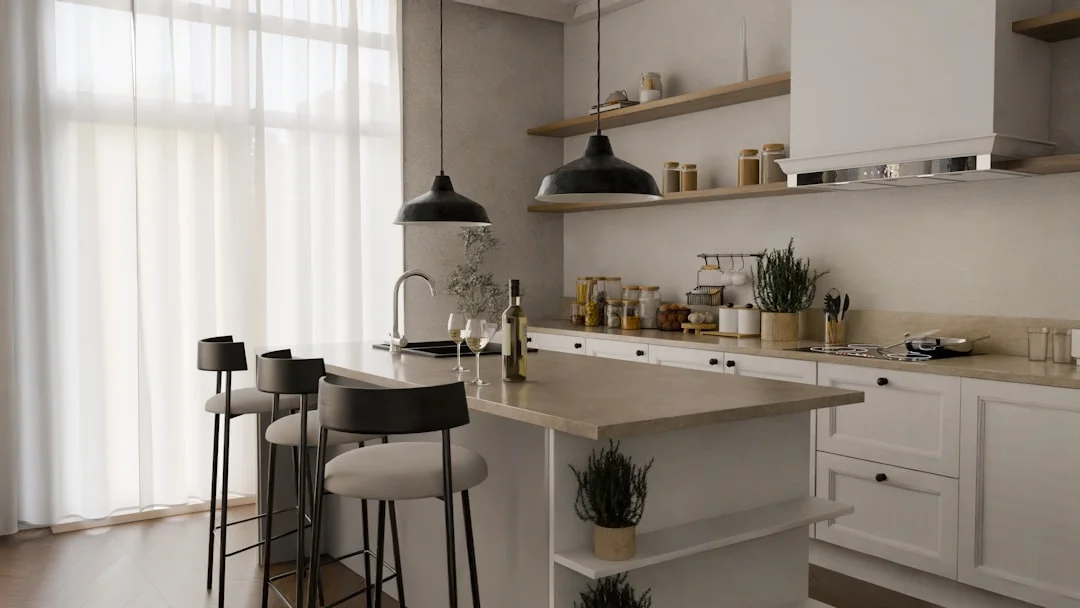
In Feng Shui, plants are considered powerful conduits and regulators of life force energy, known as Qi. They represent the Wood element, which embodies growth, vitality, flexibility, and upward movement. When strategically placed in a living room, plants act as gentle yet persistent activators. They can stimulate stagnant energy in a dormant corner, soften the harsh lines of furniture or architectural features, and introduce a vibrant, living presence that counteracts the static nature of man-made objects. Their very process of photosynthesis—converting light and carbon dioxide into oxygen—is a perfect metaphor for transforming negative or stale energy into fresh, nourishing vitality. Real-life examples illustrate this concept clearly. A sparse, minimalist living room with only hard surfaces like metal, glass, and stone can feel aesthetically clean but energetically cold and unwelcoming. Introducing a large, leafy plant like a fiddle-leaf fig or a cluster of smaller potted greens immediately softens the atmosphere, making the space feel more alive and inhabited. Conversely, a cluttered, overly busy room with poor air circulation can feel oppressive. The right plants can help purify the air and create a sense of ordered, organic growth amidst the chaos, guiding the Qi to flow more smoothly.
Traditional Feng Shui Perspective
From a classical Feng Shui standpoint, the integration of plants is a sophisticated practice rooted in the balance of Yin and Yang and the harmonious interaction of the Five Elements. Yin-Yang Balance: Plants inherently possess both Yin and Yang qualities. Their solid, rooted trunks and dense foliage represent Yin—the receptive, nurturing, and stable force. Their upward growth, movement toward light, and the process of releasing oxygen represent Yang—the active, expansive, and stimulating force. A healthy plant maintains a perfect balance between these two. In a living room, we use this balance to correct environmental imbalances. A room with excessive Yang energy—too much bright light, loud noise, or angular furniture—can be calmed with plants featuring large, rounded leaves (enhancing Yin). A dark, low-energy (excess Yin) corner can be activated with upright, pointed plants like a snake plant or bamboo (enhancing Yang). Five Elements Interactions: As embodiments of the Wood element, plants have specific generative and controlling relationships with the other elements present in your living room. Wood generates Fire, meaning plants can enhance areas associated with fame, reputation, and warmth (traditionally the south sector). Wood also controls Earth, so plants can be used to moderate or "drain" an overabundance of Earth energy, which might manifest as clutter, worry, or stagnation. However, one must be mindful of the Metal element, which cuts Wood. Placing too many plants in a metal-heavy area or using metallic pots can inhibit their beneficial Wood energy. The ideal is to create a supportive cycle, such as using an Earth-toned ceramic pot (Earth) to hold a plant (Wood), with a decorative red accent (Fire) nearby. Qi Flow and Spatial Harmony: Plants are excellent tools for directing Qi. Their placement can solve common spatial challenges. A sharp corner pointing toward a seating area, known as a "poison arrow," can have its negative effect dissipated by placing a bushy plant in front of it. A long, straight hallway that causes Qi to rush too quickly into the living room can be gently slowed by positioning plants along its path. Furthermore, plants symbolize prosperity and healthy growth. A thriving, well-cared-for plant in the wealth area (southeast) of your living room is a potent symbol of your own capacity for growth and abundance.
Modern Interpretation
Contemporary environmental psychology and design principles strongly affirm the ancient wisdom of incorporating plants into living spaces, providing a scientific and experiential framework for their benefits. Impact on Mood and Behavior: Studies consistently show that the presence of plants reduces psychological and physiological stress. In a living room, this translates to a space that more effectively promotes relaxation and recovery from daily pressures. The color green is inherently calming to the human nervous system, and the organic, non-linear shapes of plants provide a visual rest from the straight lines of technology and furniture. This can lower heart rate, reduce muscle tension, and decrease feelings of anxiety, making the living room a true sanctuary. Productivity and Cognitive Function: While the living room is primarily for leisure, many also use it for reading, hobbies, or remote work. Research indicates that plants in the visual field can enhance concentration, improve memory retention, and boost creativity. This is attributed to both the mild attention-restoring effect of nature and the slight increase in air quality. A plant on a side table near your reading chair or on a home office desk within the living area can create a more conducive environment for focused yet relaxed mental activity. Practical Real-Life Meaning: Beyond symbolism, plants offer tangible functional benefits. They act as natural air purifiers, absorbing volatile organic compounds (VOCs) emitted by furniture, paints, and electronics. They also increase ambient humidity through transpiration, which can be particularly beneficial in dry, climate-controlled environments. On a social level, a living room adorned with healthy plants is perceived as more welcoming, attractive, and cared-for by guests, facilitating warmer and more positive interactions. The simple act of caring for plants also fosters a nurturing routine and a connection to natural cycles, grounding us in our often hectic modern lives.
Insights
- Place a tall, healthy plant in a dark corner to gently stimulate stagnant energy and prevent the area from feeling forgotten or energetically heavy.
- Use plants with soft, rounded leaves to soften the sharp edges of bookshelves or television stands, thereby creating a more visually and energetically harmonious environment.
- Select plants that thrive in the specific light conditions of your living room, as a struggling plant symbolizes neglected energy and can have the opposite intended effect.
- Incorporate a balanced variety of plant sizes and leaf shapes to create visual interest and a more dynamic, naturalistic flow of energy throughout the space.
- Regularly prune dead leaves and dust the living leaves of your plants to ensure they can effectively purify air and symbolize vibrant, unobstructed growth.
Conclusion
Plants are far more than simple decor; they are dynamic agents of change within the living room ecosystem. Through the lens of Feng Shui, they are vital tools for balancing Yin and Yang, orchestrating the Five Elements, and cultivating the smooth, nourishing flow of Qi. Through the lens of modern science and psychology, they are proven enhancers of air quality, mood, cognitive function, and social perception. The ultimate goal is harmony—creating a living room that feels both invigorating and restful, a space that supports the well-being and vitality of all who inhabit it. By choosing and placing plants with mindful intention, we harness their innate vitality to transform our most important shared space into a true reservoir of positive energy.