The modern architectural trend of open floor plans, which removes walls to create expansive, multi-functional living areas, presents a fascinating case study in environmental design. From a Feng Shui perspective, this layout represents a significant departure from traditional compartmentalized spaces. While celebrated for fostering a sense of freedom and connection, the open concept also introduces unique challenges to the ancient art of spatial harmony. This article explores how the flow of energy, the balance of elements, and the psychological impact of such spaces are interpreted through both classical Feng Shui theory and contemporary environmental psychology.
Core Concept
In Feng Shui, the primary concept governing space is the movement and quality of Qi, or life force energy. A space is considered auspicious when Qi can circulate smoothly, neither stagnating nor rushing through too quickly. The physical layout of a home acts as a channel for this energy, directing its flow and influencing the well-being of the occupants. An open floor plan represents a space with minimal structural obstruction. It creates a vast, undifferentiated field where energy can move freely and rapidly. In real-life terms, imagine a loft apartment where the kitchen, dining, and living areas blend into one another without walls or doors. This environment promotes visibility, social interaction, and a feeling of expansiveness. However, without defined boundaries, specific energies related to rest, work, or nourishment can intermingle chaotically. The core challenge lies in managing this unimpeded flow to create pockets of focused, calming, or energizing Qi appropriate to each activity within the shared space.
Traditional Feng Shui Perspective
From a classical standpoint, open layouts require careful consideration to maintain balance and harmony. Traditional Feng Shui was developed for structures with clearly defined rooms, each serving a distinct purpose and holding specific symbolic meaning. The primary issue is the disruption of Yin-Yang balance. A harmonious home requires both Yang (active, bright, social) areas and Yin (passive, dark, private) retreats. An entirely open plan tends to be overwhelmingly Yang, with light and noise permeating every corner. The lack of enclosed, Yin spaces for restful sleep or quiet contemplation can lead to a sense of being perpetually "on display" and unable to truly recharge. The bedroom within an open loft, for instance, struggles to provide the necessary Yin quality for restorative sleep if it is not thoughtfully separated. The Five Elements theory also becomes more complex to apply. In a segmented home, the Fire element of the kitchen can be contained, while the Earth element of the dining area is distinct. In an open plan, these elements collide. A stove (Fire) in full view of a sofa (often associated with Earth or Wood) can create an element of visual "stress" or imbalance, where the aggressive energy of Fire negatively impacts the need for relaxation. The goal shifts from placing elements in separate rooms to creating visual and energetic "zones" that allow for productive elemental interactions, such as using the Wood element (plants, green) to gently mediate between Water and Fire areas. Furthermore, Qi flow in such spaces can be too swift. Just as wind sweeping across a plain can become a destructive force, Qi rushing unimpeded in a straight line through a long, open area is considered "Sha Qi" or killing breath. This manifests as a feeling of instability, difficulty focusing, or a tendency for arguments to spread quickly. Traditional remedies involve using furniture, area rugs, screens, or strategic lighting to slow down and meander the Qi, creating a more nurturing and settled energy pattern reminiscent of a gently curving stream.
Modern Interpretation
Contemporary environmental psychology offers a parallel understanding that validates many classical concerns while framing them in modern terms. The impact of space on mood, behavior, and cognitive function is a key area of study. Psychologically, the lack of physical boundaries in an open plan can increase cognitive load. The brain must constantly process multiple visual and auditory stimuli from different activity zones—the sight of dirty dishes, the sound of a television, the smell of cooking. This can lead to reduced ability to focus, increased stress, and a sense of mental clutter. The modern interpretation of "stagnant Qi" in a messy kitchen corner is the subconscious stress and distraction it causes while you try to relax on the sofa. Conversely, when well-designed, open plans excel at promoting social cohesion and a sense of togetherness, which aligns with the Feng Shui ideal of fostering positive "Ren Qi" or human energy. They can enhance feelings of spaciousness and light, combating depression and lethargy associated with dark, confined rooms. The key for modern living is intentional zoning. Using furniture groupings, changes in floor texture or level, and targeted lighting can create "psychological walls" that define a space for productivity, another for conversation, and another for dining, allowing the mind to switch contexts appropriately. This practice mirrors the Feng Shui technique of using screens to define "virtual rooms" and guide energy.
Insights
- Use area rugs and furniture groupings to create distinct energetic zones for specific activities, which helps to stabilize rapid Qi flow and provides psychological anchors within a vast space.
- Incorporate movable screens or tall, leafy plants as flexible boundaries to separate conflicting elements, such as shielding a rest area from the active energy of a home office.
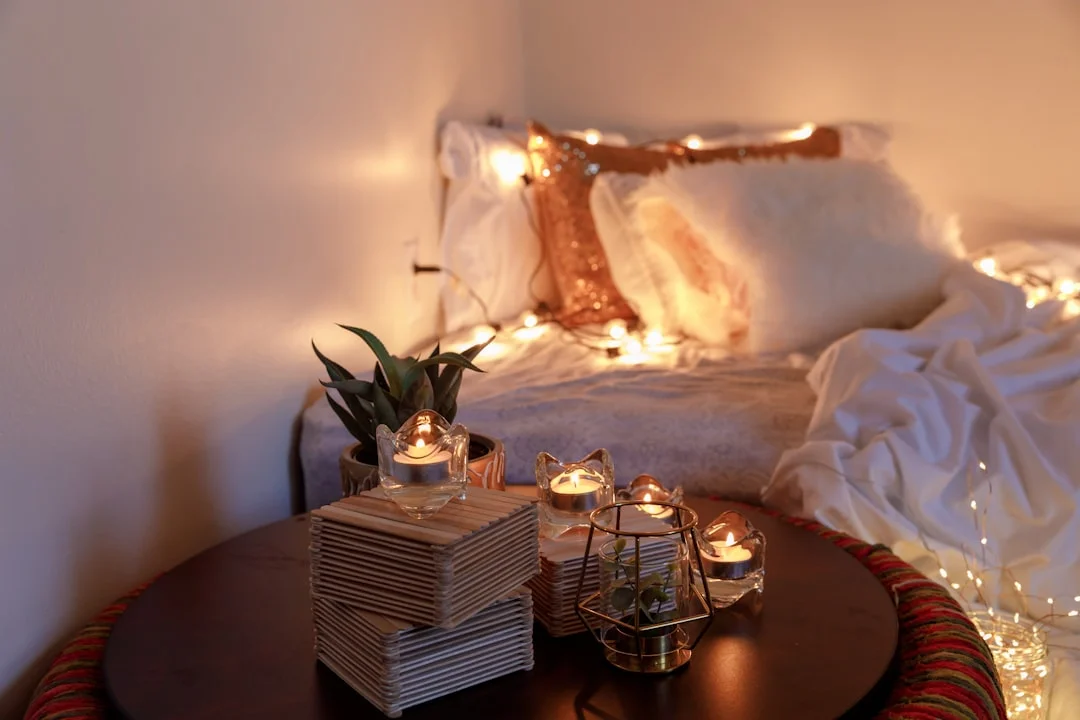
- Ensure your sleeping area is positioned in the most secluded part of the open plan and can be visually obscured at night to protect the critical Yin quality required for deep rest.
- Balance the dominant Yang energy of an airy, bright open space by introducing Yin materials like thick textiles, dark wood accents, and soft, indirect lighting in seating areas.
- Maintain impeccable organization and clutter control, as any disarray in one zone will visually and energetically affect the entire connected living environment.
Conclusion
Open floor plans are neither inherently good nor bad from a Feng Shui perspective; they are simply a different type of energetic canvas. Their success hinges on the mindful application of ancient principles adapted for a modern context. The goal shifts from building physical walls to crafting energetic and psychological boundaries. By consciously zoning the space, balancing Yin and Yang qualities, carefully orchestrating the Five Elements, and deliberately guiding the flow of Qi, one can harness the social and expansive benefits of an open concept while mitigating its potential for chaos and overstimulation. Ultimately, it demonstrates that Feng Shui is not about rigid rules for fixed walls, but about creating harmonious, supportive, and intentional environments wherever we live.