The spaces we inhabit are far more than physical containers for our lives; they are dynamic environments that actively participate in shaping our inner world. Feng Shui, the ancient Chinese art of placement, offers a sophisticated framework for understanding this relationship. At its heart, Feng Shui is the study of how the arrangement of our surroundings affects the flow of life force, or Qi, and consequently, our health, fortune, and emotional state. By intentionally designing our environments to promote harmonious Qi, we can create settings that nurture psychological stability, reduce stress, and foster a profound sense of emotional well-being. This practice moves beyond mere decoration to engage with the fundamental energy patterns of a space.
Core Concept
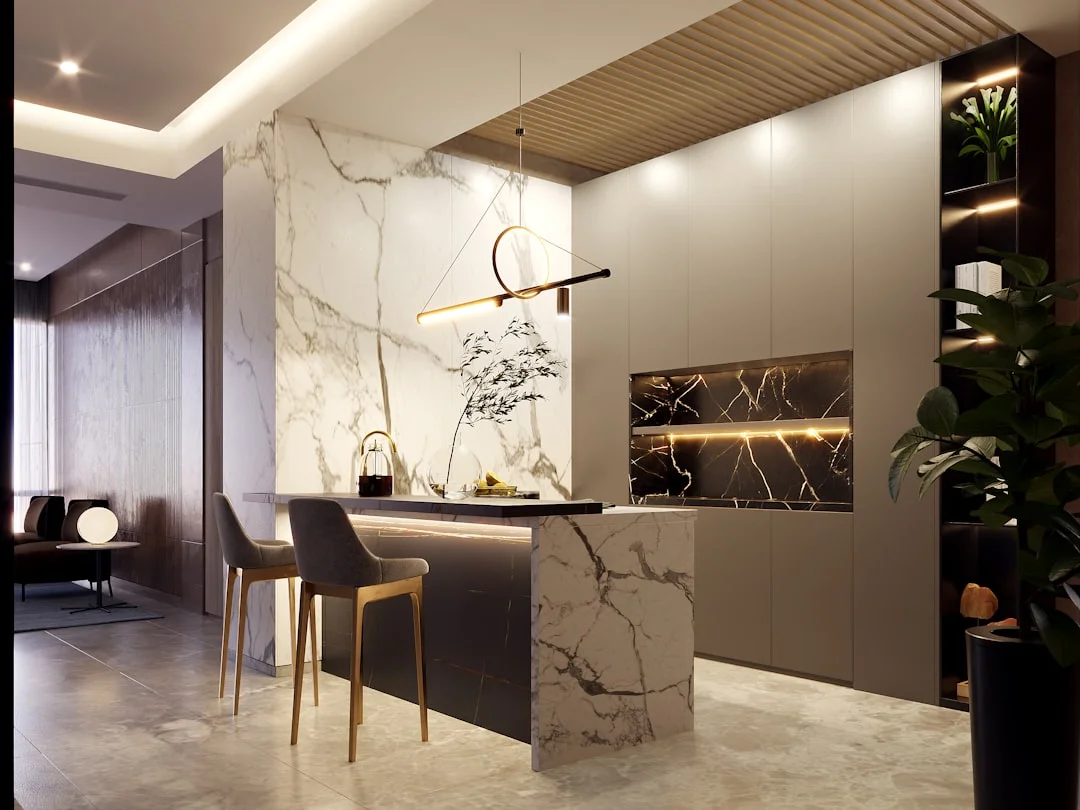
Feng Shui operates on the principle that our living and working spaces are mirrors of our inner life, and that by altering the external landscape, we can influence our internal emotional landscape. The core concept is that Qi, an invisible vital energy, circulates through everything, including our homes and offices. When Qi flows smoothly and without obstruction, it supports vitality, clarity, and positive emotions. When it becomes stagnant, rushed, or blocked, it can manifest as feelings of anxiety, lethargy, or irritability. The arrangement of furniture, the use of color and light, the placement of objects, and even the cleanliness of a room all act as directors for this energy. For instance, a bed positioned directly in line with a door may subconsciously create a feeling of vulnerability, disrupting rest. A cluttered and cramped home office can stifle Qi, leading to mental fog and frustration. Conversely, a living room with a clear, welcoming path and a balanced arrangement of seating promotes social harmony and relaxed interaction. Feng Shui provides a language to diagnose these energetic conditions and prescribe adjustments that encourage a supportive and uplifting flow.
Traditional Feng Shui Perspective
From a classical viewpoint, emotional well-being is a direct product of environmental balance, primarily achieved through the interplay of Yin and Yang and the Five Elements. Yin-Yang balance in space is fundamental. Yin energy is receptive, dark, cool, and still, associated with rest and introspection. Yang energy is active, bright, warm, and dynamic, associated with socializing and work. A healthy emotional life requires environments that support both. A bedroom should lean toward Yin—with softer lighting, cooler colors, and minimal electronic devices—to promote deep sleep and recovery. A kitchen or home office benefits from more Yang qualities—good natural light, active colors, and orderly movement—to support energy and focus. An over-Yang living room with harsh lighting and loud colors can cause agitation, while an over-Yin workspace can lead to procrastination and low mood. Five Elements interactions provide another layer of analysis. Each element—Wood, Fire, Earth, Metal, Water—corresponds to specific emotions, shapes, colors, and materials. The goal is to create a nurturing cycle of elements while avoiding destructive cycles. For example, the Wood element, associated with growth and kindness, can be introduced with vertical shapes, green hues, and living plants to alleviate frustration and encourage compassion. The Earth element, representing stability and thoughtfulness, is nurtured by square shapes, earthy tones, and ceramics, which can calm anxiety and overthinking. An excess of the Fire element (too much red, sharp triangles, excessive lighting) might contribute to irritability and conflict, while a lack of the Water element (representing wisdom and flow) could hinder emotional adaptability. Qi flow and spatial harmony are assessed through the layout and structure. The ancient Bagua map is a tool used to overlay a space with nine life areas, such as career, relationships, and health. Blocked or neglected areas in the Bagua can reflect and reinforce emotional blockages in corresponding life aspects. Furthermore, the concept of "commanding position" is crucial for emotional security. Key pieces of furniture, like a bed or desk, should be placed diagonally opposite and facing the door, without being directly in line with it. This position allows one to see opportunities (the door) while feeling protected and in control, reducing subconscious stress and fostering a sense of safety and empowerment.
Modern Interpretation
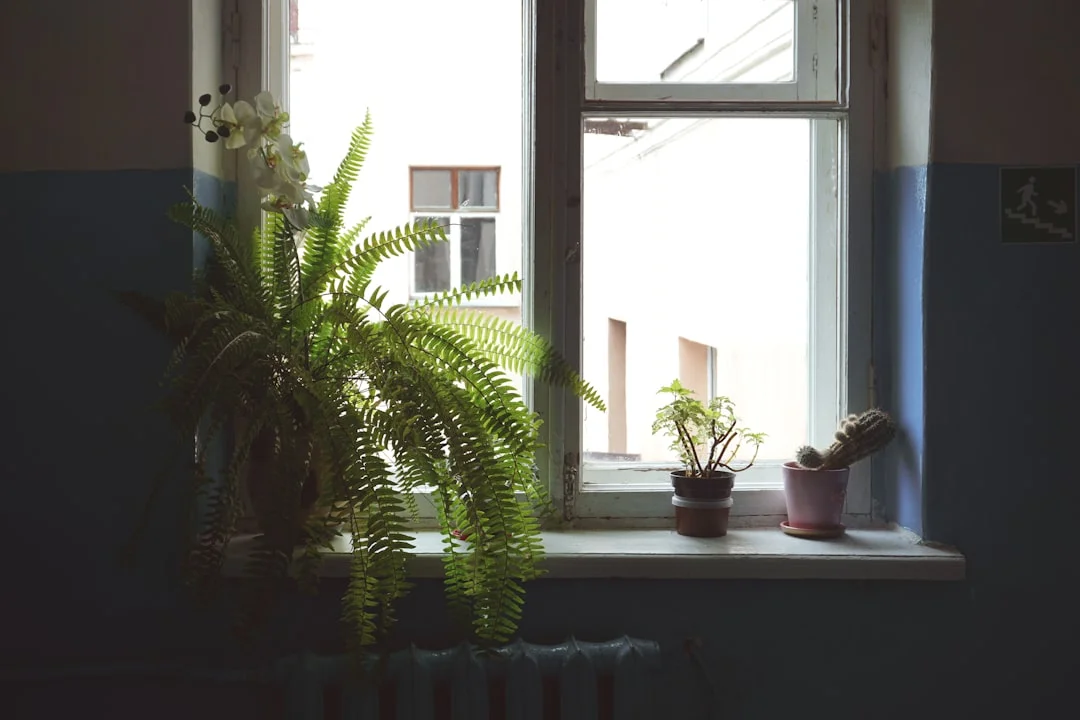
Modern environmental psychology and design principles echo many Feng Shui insights, validating them through the lens of cognitive and behavioral science. Our surroundings send constant signals to our nervous system, influencing mood, cognitive performance, and stress levels. The impact of space on mood and behavior is now well-documented. Natural light regulates circadian rhythms and boosts serotonin, a key hormone for mood stability. Clutter overwhelms our visual cortex, increases cortisol (the stress hormone), and makes it difficult to relax or focus. Open, airy spaces with clear sightlines can reduce feelings of confinement and anxiety. Feng Shui’s emphasis on decluttering and optimizing light aligns perfectly with these findings, offering a systematic approach to creating a psychologically soothing environment. In terms of productivity, stress, and lifestyle influence, the principles are equally applicable. A workspace organized according to the commanding position and with a healthy Wood element (plants, growth imagery) can enhance focus and reduce job-related anxiety. The arrangement of a home’s social spaces to facilitate easy, comfortable conversation supports relationship building and reduces familial tension. Modern interpretations focus on the intentionality behind design choices—every object and its placement should have a purpose and contribute to the desired emotional atmosphere, moving away from arbitrary decoration toward curated environmental support.
Insights
- Positioning your bed or desk in a commanding position, where you can see the door without being directly in line with it, cultivates a subconscious sense of security and control in your personal and professional life.
- Introducing living plants and natural wooden elements into your eastern or southeastern spaces can actively foster emotional growth, reduce feelings of stagnation, and encourage a more compassionate outlook.
- Regularly decluttering your home, especially entryways and central areas, removes energetic blockages that contribute to mental fog, overwhelm, and persistent low-grade anxiety.
- Balancing vibrant, social Yang areas like the living room with calm, restorative Yin spaces like the bedroom creates an emotional rhythm that supports both healthy interaction and essential recovery.
- Using the calming, grounded Earth element through square shapes and soft yellow tones in your dining area or study can stabilize wandering thoughts and promote mindful presence.
Conclusion
Feng Shui transcends superstition to offer a timeless and practical system for environmental design that prioritizes human emotional experience. By viewing our spaces as energetic ecosystems, we gain agency to shape them into allies for our mental and emotional health. The principles of Qi flow, Yin-Yang balance, and the Five Elements provide a detailed map for creating environments that do not merely house us, but actively nurture us. Whether through the classical lens of ancient philosophy or the modern understanding of environmental psychology, the conclusion is harmonious: a thoughtfully arranged space is a foundational pillar for sustained emotional well-being, providing a stable and supportive backdrop for the complexities of human life.