Apartment living presents unique challenges for creating a harmonious home. Limited space, shared walls, and fixed layouts can sometimes lead to feelings of confinement or restlessness. Feng Shui, the ancient Chinese art of placement, offers a timeless framework for transforming any apartment into a sanctuary of balanced energy. By understanding the flow of Qi, the interplay of Yin and Yang, and the dynamics of the Five Elements, we can design our living spaces to support well-being, clarity, and a profound sense of peace, even within a compact urban environment.
Core Concept
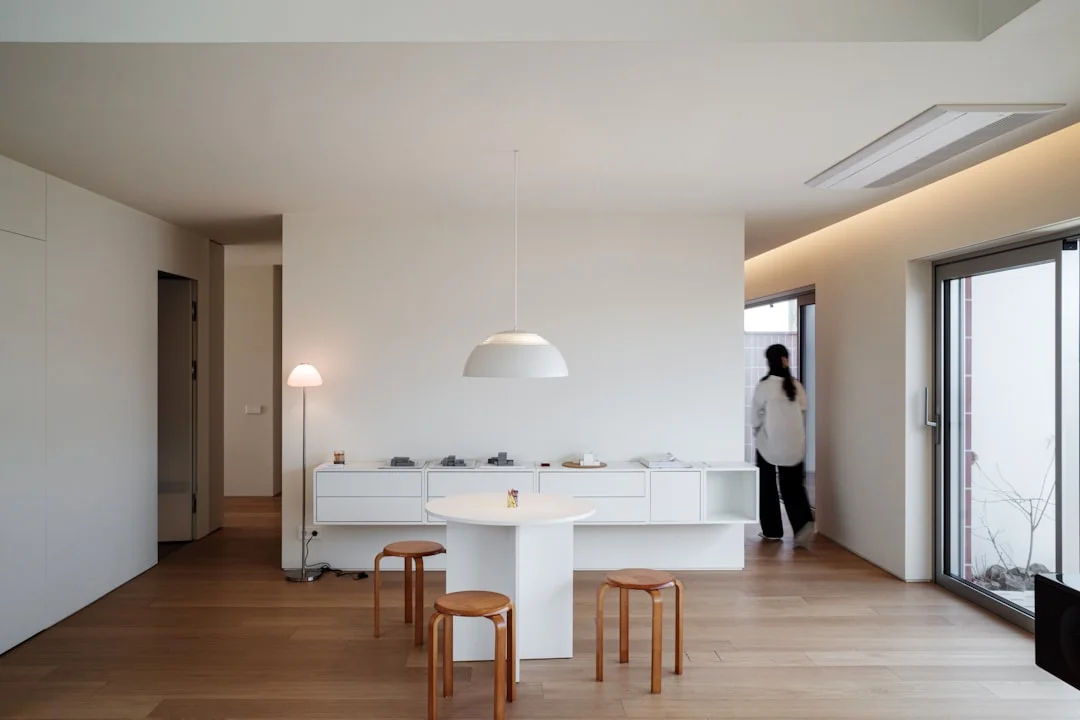
At its heart, Feng Shui is the study of how environmental forces, known as Qi, interact with human life. In an apartment, Qi is the vital energy that circulates through rooms, corridors, and around furniture. The primary goal is to cultivate a smooth, meandering flow of this energy, avoiding stagnation or chaotic, rushing currents. A space with good Qi feels inviting, comfortable, and alive. What the apartment space represents is a microcosm of one's life. The front door symbolizes opportunities and how energy enters your world. The bedroom represents rest and intimacy, while the kitchen governs health and nourishment. The living area is connected to social life and family dynamics. How energy moves through and settles in these areas directly influences corresponding aspects of daily experience. For example, an apartment with a long, straight hallway leading directly to a back window can cause Qi to rush in and out too quickly, never benefiting the occupants. A real-life solution is to place a visual barrier, like a tall plant or a decorative screen, to slow and gentle the energy's path. Conversely, a dark, cluttered corner represents stagnant Qi, which can manifest as feeling stuck in certain life areas; introducing light, movement, or a vibrant object can reactivate that zone.
Traditional Feng Shui Perspective
From a classical viewpoint, improving an apartment begins with assessing and balancing fundamental forces. The first principle is Yin-Yang balance. Every space needs a harmonious mix of both energies. Yang qualities include light, sound, activity, and bright colors, often dominant in living rooms and kitchens. Yin qualities encompass darkness, quiet, rest, and soft textures, essential for bedrooms and meditation spaces. An apartment overly Yang—with excessive bright lighting, loud electronics, and sharp angles—can create anxiety. One excessively Yin—too dark, quiet, and still—can lead to lethargy. The art lies in creating dynamic balance, such as using soft lamps (Yin) in a lively living room (Yang) or placing a vibrant piece of art (Yang) in a serene bedroom (Yin). The Five Elements theory—Wood, Fire, Earth, Metal, and Water—provides a symbolic language for creating harmony. Each element relates to specific shapes, colors, and materials. A balanced apartment subtly incorporates all five. For instance, a space lacking the Wood element (represented by vertical lines, columnar shapes, and the colors green and brown) might feel inflexible and stifle growth. Introducing a wooden bookshelf, healthy plants, or green accents can correct this. Crucially, the elements interact in creative and destructive cycles. One should avoid sequences that cause imbalance, like placing a fireplace (Fire) directly next to a large aquarium (Water), as Water destroys Fire in the elemental cycle, potentially creating conflict in the home's energy. Qi flow and spatial harmony are paramount. The traditional Bagua map is an octagonal template laid over the apartment floor plan, linking different areas to life aspirations like career, relationships, and wisdom. The front door typically aligns with one of these sectors. Furniture arrangement follows the "commanding position" principle, where key pieces like the bed, desk, and stove are placed diagonally opposite and facing the door, without being in direct line with it. This provides a sense of security and empowerment, allowing occupants to see opportunities enter while feeling supported and in control. Clutter is considered the arch-enemy of good Qi, as it physically and energetically blocks pathways, trapping energy and creating mental confusion.
Modern Interpretation
Contemporary environmental psychology and design principles often arrive at similar conclusions as Feng Shui, albeit with different terminology. The modern interpretation focuses on how spatial design directly impacts mood, cognitive function, and behavior. The impact of space on mood is well-documented. A cluttered, disorganized apartment can increase cortisol levels and contribute to stress and anxiety, mirroring the Feng Shui concept of stagnant Qi. Conversely, a clean, orderly space with intentional decor promotes mental clarity and calm. The Feng Shui advice to "clear clutter" is now a staple of modern wellness and productivity coaching. The principle of a strong "commanding position" for your bed or desk aligns with environmental psychology's findings on prospect and refuge—the human desire to have a broad view (prospect) while feeling protected (refuge), which reduces subconscious stress. Productivity, stress, and lifestyle are profoundly influenced. A home office desk shoved into a dark closet represents both poor Qi flow and a recipe for poor focus and career stagnation. Modern interpretation emphasizes proper lighting, ergonomics, and separation from domestic chaos—all of which are Feng Shui adjustments for enhancing career-sector energy. The insistence on a peaceful, electronics-free bedroom for quality sleep is supported by sleep science, reflecting the need for a Yin sanctuary. In practical terms, Feng Shui becomes a holistic design philosophy that encourages mindful living. It asks us to be intentional with our possessions, to create functional zones within an open-plan studio, and to choose decor that not only looks good but also evokes the specific feeling we wish to cultivate in each area of our lives.
Insights
- Position your primary furniture to face the room's entrance whenever possible, as this simple act fosters a subconscious sense of security and control in your own environment.
- Incorporate living plants in east or southeast areas of your apartment to actively enhance the energy of growth, vitality, and new beginnings in your personal and professional life.
- Ensure a minimum of three feet of clear, unobstructed space around your bed to allow for the smooth circulation of energy, which directly supports more restorative and uninterrupted sleep.
- Keep the pathway from your apartment's front door completely clear of shoes, bags, and clutter to symbolize and encourage the welcoming of new opportunities into your home.
- Balance the Five Elements in your decor by intentionally adding a small water feature, a metal frame, a wooden item, an earth-toned textile, and a candle to create a deeply harmonious and grounded atmosphere.
Conclusion
Feng Shui transforms apartment living from mere occupancy into conscious co-creation with one's environment. It moves beyond superficial decoration to address the fundamental relationship between space, energy, and the inhabitant's inner state. By applying its principles—cultivating balanced Qi, harmonizing Yin and Yang, and engaging the Five Elements—we can design compact urban homes that are not just functional, but truly nurturing. Whether viewed through an ancient philosophical lens or a modern psychological one, the outcome is the same: a personalized sanctuary that supports well-being, clarity, and a thriving life within its walls.