The modern urban landscape is increasingly defined by compact living spaces, leading many to wonder if the ancient art of Feng Shui is relevant or even possible to apply. The core principles of Feng Shui—harmonizing human existence with the surrounding environment—are not dependent on square footage. In fact, small apartments present a unique and potent opportunity to practice Feng Shui with precision and intention. The challenge shifts from managing vast landscapes to curating an intimate micro-environment where every object and arrangement carries significant weight. This article explores how classical theories adapt to limited spaces, offering a pathway to cultivate balance, clarity, and positive energy within the confines of a small home.
Core Concept
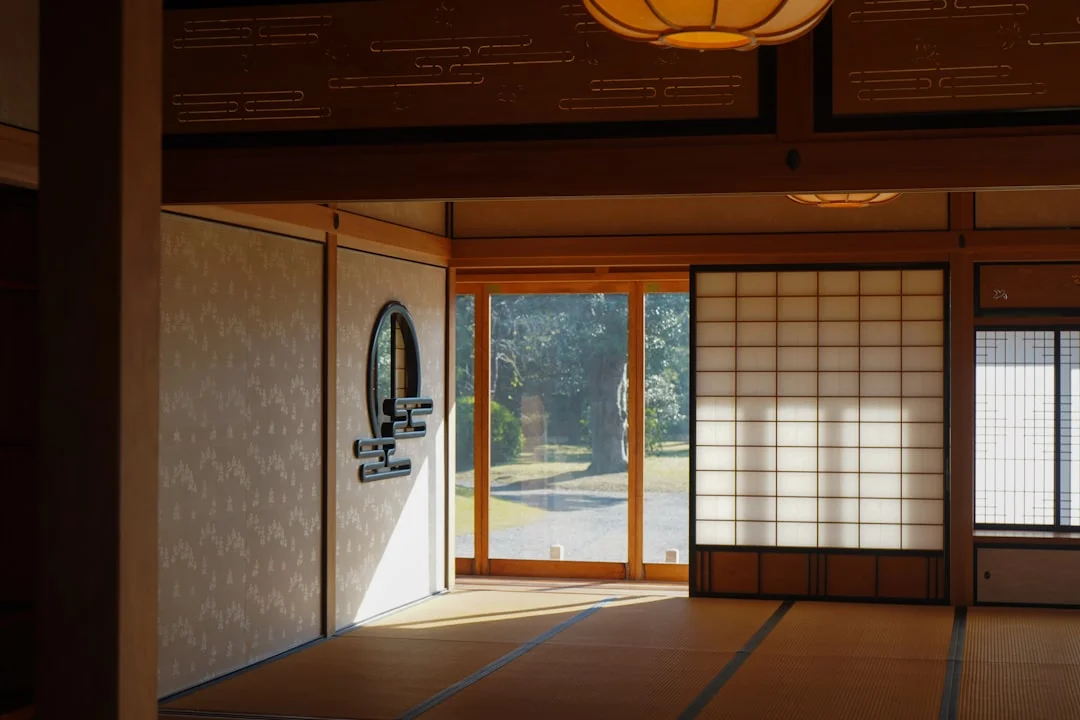
At its heart, Feng Shui is the study of Qi, or life force energy, and how it moves through a space. In a small apartment, Qi flow is accelerated and more immediately felt; blockages become quickly apparent, while harmonious arrangements yield swift benefits. The space itself represents a condensed ecosystem where the fundamental principles of Yin and Yang and the Five Elements must be carefully integrated. Every corner, piece of furniture, and decorative choice directly influences the energy pattern. How it influences energy is direct and tangible. A cluttered hallway impedes the smooth entry of Qi, potentially affecting opportunities. A bed positioned in a chaotic corner can disrupt restorative sleep. Conversely, a clear, intentional layout encourages Qi to meander beneficially, supporting well-being. Real-life examples include a studio apartment where the sleeping, living, and dining areas are not physically separated. Here, the flow of energy from a lively social area must be gently guided toward a restful sleeping zone, often using screens, lighting, or rug placement to create energetic boundaries without walls.
Traditional Feng Shui Perspective
From a classical standpoint, small apartments demand a meticulous application of core principles. The primary focus is on achieving a delicate Yin-Yang balance within a limited canvas. A room that is overly Yang—too bright, too loud in color, too active—can feel overwhelming and stressful in a small space. Conversely, a space that is too Yin—excessively dark, muted, and stagnant—can feel depressing and draining. The art lies in blending active and passive energies through contrasts of light and shadow, texture, and color saturation. The Five Elements theory becomes a crucial tool for creating spatial harmony and correcting imbalances. In a compact area, an overabundance of one element can dominate. For instance, too much Fire element (represented by reds, triangles, and lighting) can make a small room feel agitated. The introduction of the Water element (blacks, blues, wavy shapes) or the Earth element (yellows, squares, ceramics) can restore equilibrium. The strategic placement of a small metal bowl (Metal element) or a wooden plant (Wood element) can introduce a needed cycle of energy generation and moderation. Qi flow is paramount. The classical concept of the "Ming Tang," or bright hall—the open, unobstructed area just inside the main entrance—is critically important, even if it is only a small landing strip. This area sets the tone for Qi entering the entire home. Furniture arrangement should follow the "command position" principle wherever possible, especially for the bed and desk, positioning them diagonally opposite and facing the door without being directly in line with it, fostering a sense of security and awareness. Symbolism also adapts; a mirror strategically placed to visually expand a narrow hallway is a modern interpretation of using water (which mirrors symbolically represent) to guide and deepen Qi flow.
Modern Interpretation
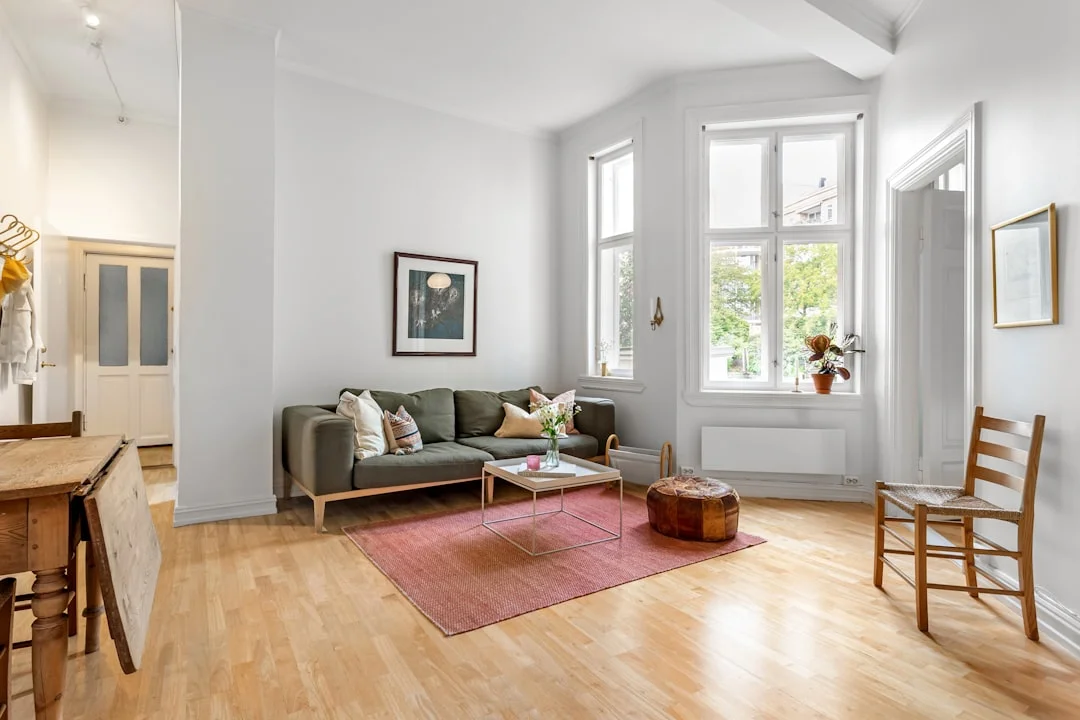
Through the lens of environmental psychology, the efficacy of Feng Shui in small apartments finds robust validation. The principles align closely with how our minds and bodies respond to curated environments. The impact on mood and behavior is immediate in a confined living area where we are constantly interacting with our surroundings. Clutter is not just a Feng Shui blockage; psychology confirms it increases cognitive load and stress, reducing our ability to focus and relax. An intentionally cleared space directly lowers anxiety. The influence on productivity, stress, and lifestyle is profound. A home office corner that follows the "command position" and has good natural light leverages psychological principles of perceived safety and environmental preference, enhancing concentration. The use of plants (Wood element) is shown to improve air quality and reduce stress hormones. Defining zones within an open-plan studio using area rugs or different paint colors helps the brain cognitively switch between "work mode" and "rest mode," improving both productivity and sleep quality. Therefore, the practical real-life meaning of apartment Feng Shui is the conscious design of a space that actively supports your mental clarity, emotional stability, and daily routines, making the small home a true sanctuary.
Insights
- In a small apartment, prioritize the "command position" for your bed and primary workspace to cultivate a subconscious feeling of safety and control within your environment.
- Use the Five Elements as a decorative guide to introduce balanced visual interest, ensuring no single color, shape, or material dominates the limited space.
- Treat vertical space as valuable territory for energy flow by keeping shelves orderly and using artwork to lift the Qi, preventing a feeling of being weighed down.
- Implement symbolic boundaries with room dividers, lighting, or textiles to create distinct energetic zones for sleep, work, and socializing in a multi-function studio.
- Regular decluttering is the most potent Feng Shui adjustment for compact living, as it directly removes physical obstacles to both movement and mental peace.
Conclusion
Feng Shui is not only viable in small apartments but can be exceptionally effective. The constraints of limited space force a clarity of intention and a precision in application that larger homes may not require. By understanding the classical principles of Qi flow, Yin-Yang, and the Five Elements, and interpreting them through the validated findings of modern environmental psychology, one can transform a compact apartment into a harmonious and supportive environment. The goal shifts from manipulating fortune to creating a home that actively nurtures well-being, demonstrating that the quality of space, not its quantity, is the true foundation of harmonious living.