The modern workplace is a complex ecosystem of deadlines, collaboration, and focused work. While ergonomic chairs and efficient software are standard considerations, an ancient system of environmental harmony offers a deeper perspective on our workspaces. Feng Shui, a traditional practice rooted in observing natural patterns, proposes that the arrangement and energy of our surroundings directly influence our well-being and effectiveness. This article explores whether applying these principles to an office environment can genuinely enhance productivity by examining its core concepts, traditional theories, and their alignment with modern environmental psychology.
Core Concept
At its heart, Feng Shui is the art of placement and arrangement aimed at creating harmony between an individual and their environment. It operates on the principle that an invisible life force, known as Qi, flows through all spaces. The quality of this flow—whether it is smooth and nourishing or stagnant and disruptive—is believed to impact the occupants' health, fortune, and mental state. In an office context, this concept translates to the strategic organization of space to support the work being done. It considers what each area represents; for instance, the desk symbolizes one's career and focus, while common areas represent communication and collaboration. The flow of Qi is influenced by the layout of furniture, the presence of clutter, the quality of light, and the pathways people use to move through the space. A blocked corridor or a desk facing a wall, for example, is thought to stagnate energy and creativity. Real-life examples include offices where employees feel inexplicably drained in certain cubicles or teams that struggle with communication in poorly arranged meeting rooms. Feng Shui provides a framework to diagnose and remedy these environmental friction points by optimizing the flow of energy to support human activity.
Traditional Feng Shui Perspective
Classical Feng Shui analyzes an office through several interconnected lenses. The first is the balance of Yin and Yang. An office requires a dynamic equilibrium between these opposing forces. Yang energy, associated with activity, noise, and bright light, is necessary for collaboration and energetic work. Yin energy, representing calm, quiet, and rest, is essential for deep concentration and recovery. A space overly dominated by Yang—such as an open-plan office with constant stimulation and no private areas—can lead to burnout and distraction. Conversely, an excessively Yin environment, like isolated, dimly lit cubicles, may foster lethargy and poor communication. The ideal office harmonizes both, perhaps through active communal zones balanced with quiet focus pods or well-lit workstations complemented by softer lighting in breakout areas. The Five Elements theory—Wood, Fire, Earth, Metal, and Water—provides another layer of analysis. Each element corresponds to specific qualities, shapes, colors, and aspects of business. Wood, representing growth and planning, can be introduced with vertical lines, columnar plants, or green hues. Fire, symbolizing recognition and energy, is brought in through triangles, red accents, or actual lighting. Earth, for stability and networking, is represented by square shapes, earthy tones, and ceramic objects. Metal, associated with precision and efficiency, is evoked by circular forms, white or metallic colors, and tidy organization. Water, linked to wisdom and communication, flows in through wavy patterns, black or blue tones, and reflective surfaces. A productive office balances these elements to support all business functions; an overabundance of one can create imbalance, such as too much Fire (red walls, bright lights) leading to irritability and conflict. Qi flow and spatial harmony are paramount. The commanding position is a key principle, suggesting that a person should be able to see the door from their desk without being directly in line with it, creating a sense of security and command over one's work. The layout should allow for a meandering, gentle flow of Qi, avoiding long, straight corridors that create "secret arrows" of rushing energy that cause stress. Symbolism also plays a role; a solid wall behind a desk represents support, while a window may symbolize a lack of backing. The structure's orientation and the placement of key departments according to a Bagua map—a Feng Shui energy grid—further refine the intention to align the physical space with organizational goals.
Modern Interpretation
From a contemporary standpoint, the principles of Feng Shui find strong resonance in environmental psychology and evidence-based design. The modern interpretation strips away mystical connotations and focuses on the observable impact of spatial design on human cognition, emotion, and behavior. Environmental psychology confirms that our surroundings profoundly affect our mood and performance. The Feng Shui emphasis on clutter-free spaces aligns with research showing that physical clutter competes for our attentional resources, increasing cognitive load and stress. The principle of the commanding position correlates with the psychological need for prospect and refuge—the ability to observe our environment while feeling protected, which reduces subconscious anxiety and conserves mental energy for focused tasks. The analysis of Qi flow can be understood as the study of circulation patterns and how intuitive, unobstructed movement through a space reduces friction and frustration. The impact on productivity, stress, and lifestyle is significant. Natural light, a core Feng Shui recommendation for nurturing Qi, is scientifically proven to regulate circadian rhythms, improve sleep, and boost mood and alertness. Incorporating plants (the Wood element) improves air quality, reduces noise, and lowers stress levels. The deliberate creation of balanced zones for collaboration and focused work supports different modes of thinking, reducing context-switching penalties and meeting fatigue. In practical terms, a modern "Feng Shui" office is simply a thoughtfully designed, human-centric workspace that removes environmental stressors and provides the tools—both physical and psychological—for people to do their best work. It moves beyond pure functionality to create an atmosphere that supports well-being, which is a direct precursor to sustained productivity.
Insights
- Positioning your desk to face the entrance of your office or cubicle can subconsciously reduce anxiety and help you feel more in control of your work environment.
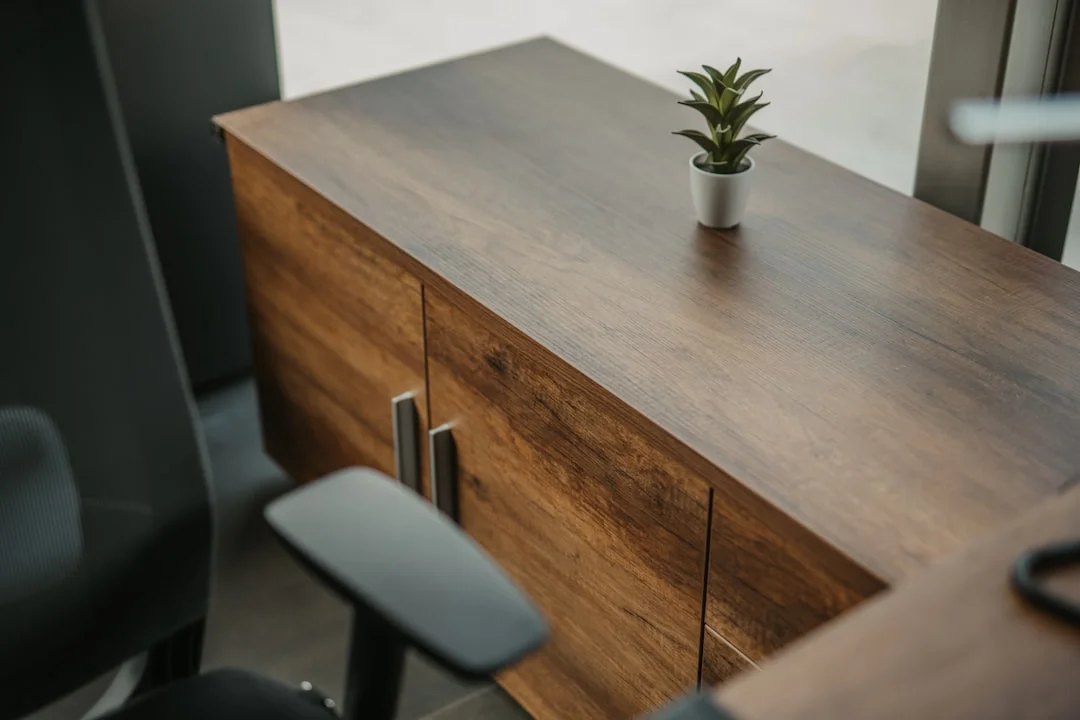
- Introducing a living plant on your desk or in your corner of the office can improve air quality and provide a visual rest point for your eyes during long periods of screen time.
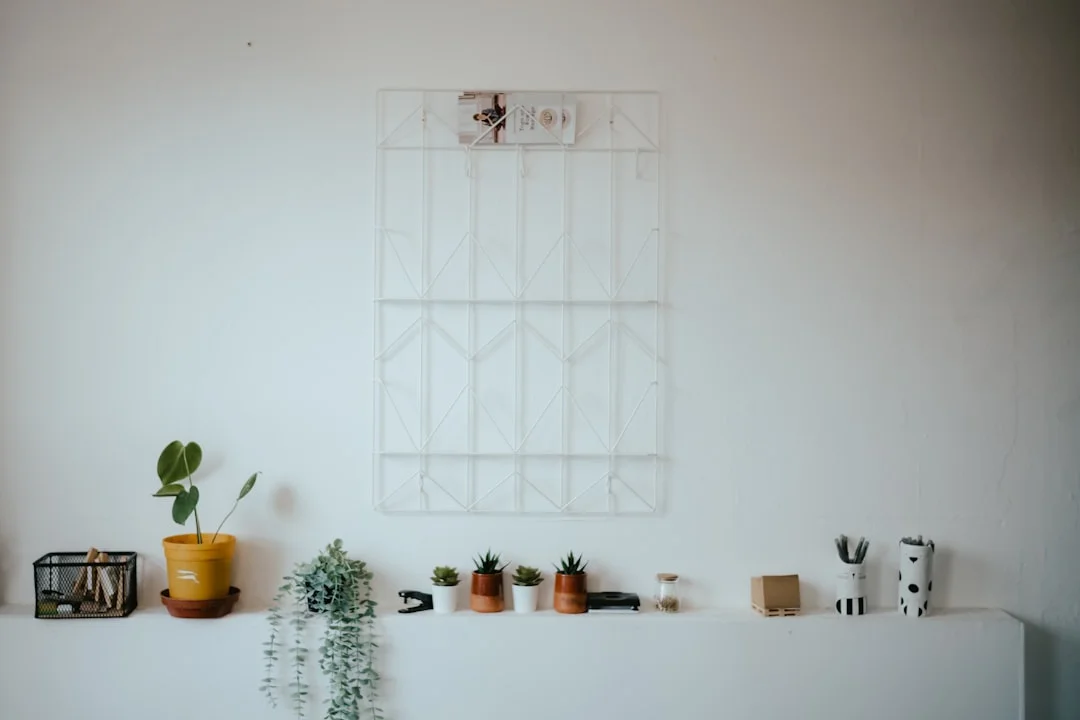
- Maintaining a clean, organized desk surface minimizes visual distractions and allows your mind to focus more efficiently on the task at hand.
- Ensuring your office chair has a high back or is positioned against a solid wall provides a psychological sense of support and stability during complex projects.
- Balancing bright overhead lighting with softer, warmer task lighting can reduce eye strain and create a more adaptable and comfortable atmosphere for different work modes.
Conclusion
The question of whether office Feng Shui can improve productivity is best answered by synthesizing ancient wisdom with modern science. While the traditional framework uses the language of Qi and elemental balance, its practical prescriptions consistently align with contemporary understandings of how space affects the human mind. The ultimate goal of both systems is to create environments that support rather than hinder their occupants. An office designed with these principles in mind—prioritizing clear circulation, balanced stimulation, natural elements, and personal security—does not guarantee success, but it systematically removes common environmental barriers to focus, collaboration, and well-being. In this sense, applying Feng Shui to the workplace is less about mystical energy and more about the intentional, holistic design of space to foster the mental conditions where productivity can naturally flourish.