For centuries, the ancient Chinese practice of Feng Shui has guided the arrangement of living spaces to promote harmony between individuals and their environment. While often viewed through a mystical lens, its core principles resonate deeply with contemporary understandings of environmental psychology. This article explores the intersection of classical Feng Shui theory and modern mental wellness, examining whether the intentional design of our spaces can genuinely influence our psychological state. By moving beyond superstition, we can uncover timeless wisdom about how our surroundings shape our inner world.
Core Concept
At its heart, Feng Shui is the art of placement, focusing on the flow of Qi, or vital life force energy, through a space. It operates on the premise that our environment is not a passive backdrop but an active participant in our well-being. The arrangement of a room, the choice of colors, the presence of natural elements, and the quality of light and air are all seen as factors that either nourish or deplete our personal energy. This concept influences mental health by creating environments that either support or hinder psychological comfort. For instance, a cluttered, dark hallway with stagnant air is said to accumulate stagnant Qi, which can manifest as feelings of lethargy, anxiety, or being stuck in life. Conversely, a clean, well-lit room with a clear path for movement is believed to encourage smooth, vibrant Qi, fostering clarity, calm, and vitality. Real-life examples include the universal sense of peace in a sunlit room with plants versus the unease felt in a cramped, disorganized basement. Feng Shui provides a structured language to diagnose and remedy these spatial imbalances.
Traditional Feng Shui Perspective
Classical Feng Shui offers a sophisticated framework for analyzing space, built upon foundational theories of balance and interaction. Yin-Yang Balance in Space: Every environment contains a dance between Yin (passive, receptive, dark, cool) and Yang (active, expansive, bright, warm) qualities. A healthy space requires equilibrium. A bedroom, a place for rest (Yin), should not be overly Yang with bright red walls, intense lighting, and loud electronics, as this can disrupt sleep and cause agitation. A home office (Yang), however, benefits from good light and an active layout but still needs Yin elements like a comfortable chair or a soft rug to prevent burnout. Five Elements Interactions: The system of Wood, Fire, Earth, Metal, and Water describes cyclical relationships of generation and control. Each element correlates with specific shapes, colors, materials, and psychological states. An excess or lack of an element can create imbalance. A room dominated by Fire elements (red, triangular shapes, excessive lighting) might overstimulate and increase irritability. Introducing Water elements (black, blue, wavy forms, reflective surfaces) can symbolically and practically cool and calm the space, promoting mental reflection and easing tension. Qi Flow and Spatial Harmony: The smooth movement of Qi is paramount. This is assessed through the layout of furniture and architecture. A main door that opens directly into a wall or a sharp corner (a "poison arrow") is said to create turbulent, cutting Qi, subconsciously putting occupants on edge. Furniture arranged in a confrontational manner can hinder open communication. The ideal flow is meandering yet unobstructed, allowing energy to gather and nourish key areas like the bed or desk without rushing straight through and out a window or door. Symbolism of Layout, Direction, and Structure: Traditional compass school Feng Shui assigns meanings to directions, linking them to life areas like career, relationships, and knowledge. A home’s floor plan is also symbolic; the central area represents health and should be kept open and clean, not blocked by a staircase or toilet, as this is seen as destabilizing the core of one’s life. These symbolic associations create a mental map that connects the physical structure to the occupant’s personal journey.
Modern Interpretation
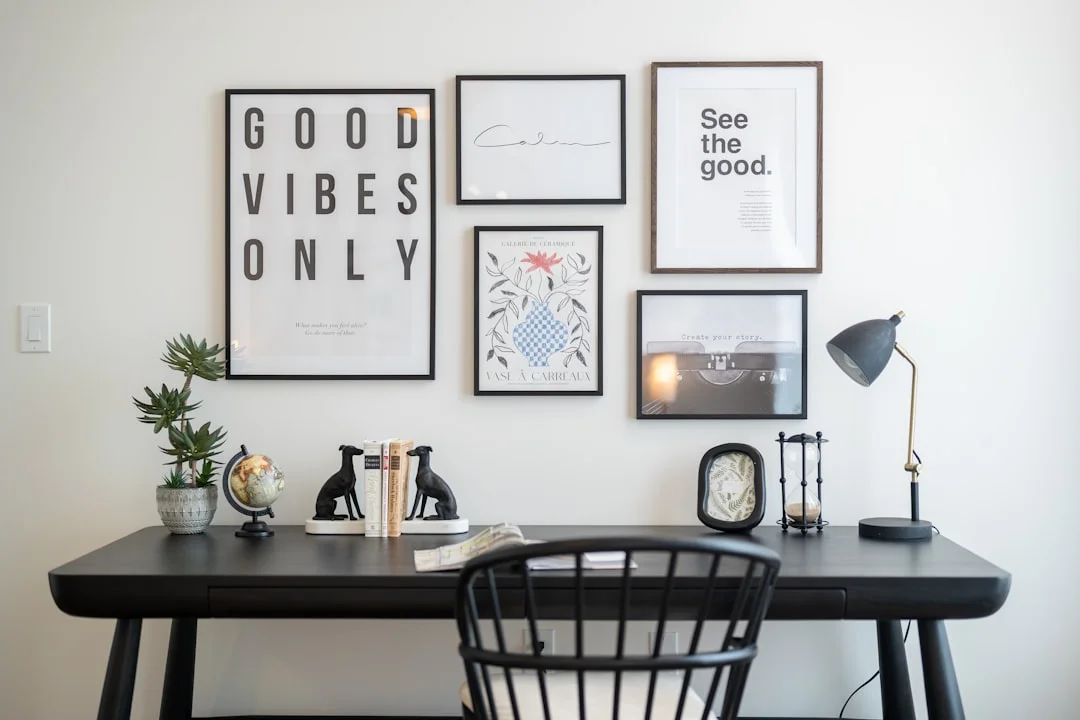
Modern environmental psychology and design principles validate many Feng Shui concepts, stripping away the mystical terminology to reveal underlying truths about human-environment interaction. Environmental Psychology: This scientific field studies how our physical surroundings affect our emotions and behavior. It confirms that natural light regulates circadian rhythms and boosts serotonin; clutter increases cortisol (the stress hormone); and open spaces can enhance a sense of freedom. Feng Shui’s emphasis on clean lines, natural materials, and order aligns perfectly with research showing these factors reduce cognitive load and mental fatigue. Impact of Space on Mood and Behavior: A Feng Shui consultation often addresses issues that directly impact mental state. Recommending the removal of clutter under a bed is not just about energy flow; it eliminates a subtle, persistent visual reminder of disorganization that can subconsciously fuel anxiety. Positioning a desk to face the door (the "command position") may mitigate the primal stress of having one’s back to an entrance, allowing for greater focus and reduced subconscious vigilance. Productivity, Stress, and Lifestyle Influence: The practical application of these principles has clear outcomes. A well-organized, aesthetically pleasing home office with good air quality and personalized, inspiring items (a modern take on auspicious symbols) can enhance productivity and reduce work-related stress. A bedroom designed for true rest, free from work reminders and electronic interference, supports better sleep hygiene, a cornerstone of mental health. Feng Shui becomes a tool for intentional living, where one’s environment actively supports desired lifestyles and states of mind.
Insights
- Strategically placing your bed and desk to have a clear view of the room's entrance can reduce subconscious anxiety and foster a greater sense of security and control in your personal space.
- Introducing living plants and ensuring access to natural light within your home directly improves air quality and regulates your body's natural rhythms for enhanced daily mood.
- Regularly decluttering your environment, especially around entryways and workspaces, minimizes visual noise and cognitive overload to create mental clarity.
- Balancing warm and cool colors alongside soft and hard materials in a room can prevent sensory overstimulation and promote a more grounded emotional state.
- Creating a dedicated, technology-free zone for relaxation signals to your mind that it is safe to unwind, thereby strengthening the boundary between stress and rest.
Conclusion
The question of whether Feng Shui can influence mental health finds its answer in the convergence of ancient wisdom and modern science. While the traditional metaphors of Qi and elemental cycles may not translate directly into clinical terms, the practical interventions they inspire—optimizing light, air, layout, and order—have demonstrable psychological benefits. Feng Shui, at its best, is a form of environmental mindfulness. It encourages us to become conscious curators of our spaces, understanding that the places we inhabit are not separate from us but are extensions of our inner world. By applying its principles with a modern, psychological understanding, we can design environments that do not merely house us, but actively nurture our mental and emotional well-being.