The shift to remote work has transformed our homes into multi-purpose environments, blending professional duties with personal life. This convergence often creates spaces that feel draining or chaotic, undermining both productivity and well-being. Feng Shui, the ancient Chinese art of placement, offers a sophisticated framework for understanding how our surroundings influence our energy, focus, and emotional state. By applying its principles to a home office, we can move beyond mere decoration to intentionally craft an environment that supports sustained concentration, reduces stress, and harmonizes our work and life rhythms. This is not about superstition, but about creating a spatial ecosystem that works for you.
Core Concept
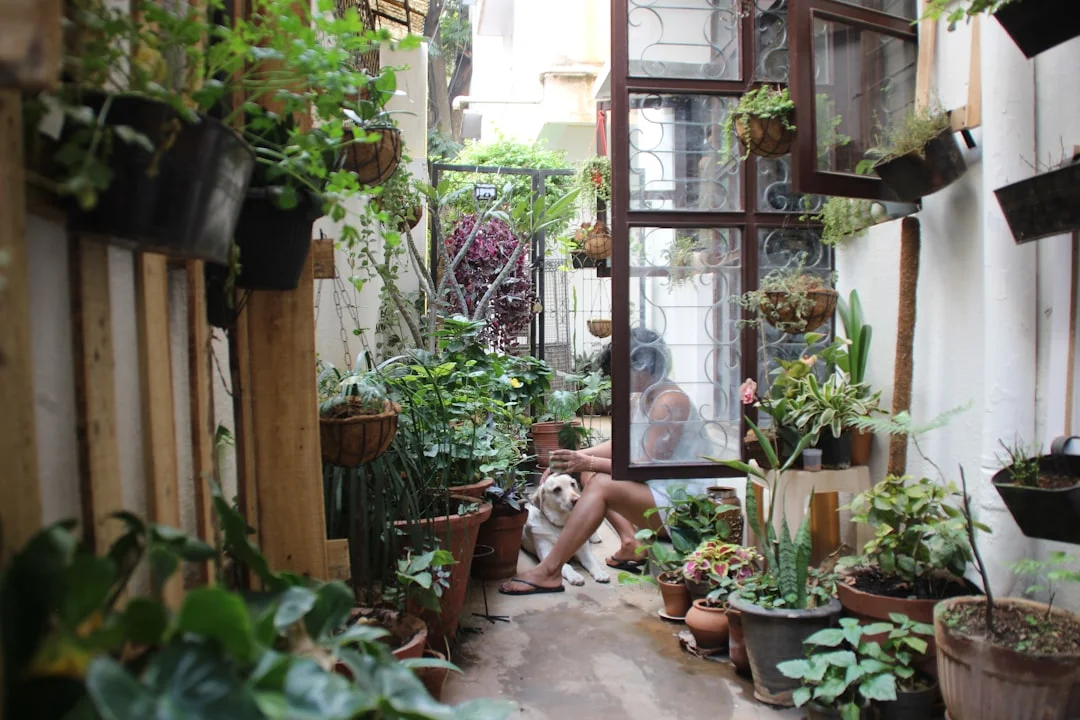
At its heart, Feng Shui is the study of how the arrangement of our environment affects the flow of Qi, or vital life force energy. In a work-from-home context, your dedicated workspace represents your career, focus, and public reputation. The goal is to cultivate a space where Qi can circulate smoothly—neither stagnant nor rushing—to foster clarity, motivation, and stability. A well-arranged home office encourages beneficial Qi to gather and support your endeavors. For example, a desk positioned to face the door, without being directly in line with it, provides a sense of command and reduces subconscious anxiety. Conversely, a desk shoved into a dark corner with your back to the entrance can lead to feelings of being overlooked or vulnerable, draining your energy. Real-life examples include a cluttered desk that stifles clear thinking, or a workspace placed in a bedroom, which creates conflicting energies for rest and activity, ultimately disturbing both sleep and work.
Traditional Feng Shui Perspective
Classical Feng Shui analyzes a space through the lenses of Yin-Yang balance and the Five Elements. A productive home office requires a dominant Yang energy—active, bright, and uplifting—to support daytime work, but must be tempered with subtle Yin qualities—calm, receptive, and stable—to prevent burnout. The Five Elements theory provides a symbolic language for creating this balance. Each element—Wood, Fire, Earth, Metal, Water—corresponds to specific shapes, colors, and materials. A harmonious workspace might incorporate the growth energy of Wood (vertical shapes, plants, green hues) to inspire development; the clarity and communication of Metal (white, gray, circular forms, metal frames) for precision; and the grounding stability of Earth (square shapes, earthy tones, ceramics) for focus. The goal is to avoid an excess or deficiency of any element. For instance, too much Fire (excessive red, sharp triangles) could lead to irritability, while overwhelming Water (excessive black, wavy forms) might promote isolation or lack of boundaries. Qi flow is paramount. The layout should allow for a gentle, meandering path for energy to enter and circulate. A straight, narrow hallway pointing directly at your desk creates "Shar Qi," or cutting energy, which is considered disruptive. Spatial harmony is achieved through purposeful placement: the desk as the "command position," supportive furniture like a solid wall behind you, and the avoidance of overhead beams or sharp corners pointing at you, which are seen as sources of oppressive pressure.
Modern Interpretation
Through the lens of environmental psychology, Feng Shui principles translate into evidence-based strategies for optimizing our surroundings. The arrangement of a workspace directly impacts cognitive function, emotional regulation, and behavior. The "command position" desk placement aligns with the psychological need for security and reduced cognitive load; when you can see the entrance, your subconscious isn't monitoring for surprises, freeing mental resources for work. Clutter is not just a symbolic block for Qi; it visually overloads the brain, reducing the ability to focus and process information efficiently. The emphasis on natural light and plants connects to biophilic design, which has been shown to lower stress, enhance creativity, and improve air quality. The impact on mood is profound. A dark, isolated workspace can contribute to feelings of loneliness and lethargy, while a vibrant, well-organized area in a suitable part of the home can boost motivation. The practical meaning is about creating intentional cues: your environment should signal to your brain, "it is time to work," and later, "it is time to rest." By using Feng Shui as a guide, you are essentially engaging in spatial behavioral design, crafting an ecosystem that nudges you toward desired states of productivity, calm, and balance, thereby directly influencing your work-from-home lifestyle quality.
Insights
- Position your desk so you can see the room's entrance while seated, ideally with a solid wall behind you for psychological support and stability.
- Introduce a living plant with rounded leaves in the southeast or east area of your office to symbolize growth and gently filter the air you breathe.
- Ensure your workspace has excellent, layered lighting that includes ambient, task, and natural light to maintain energy and reduce eye strain.
- Keep the area under your desk completely clear of stored items to symbolize and encourage the unimpeded flow of opportunities and ideas.
- Incorporate a small element of Water, such as a clear glass of water or a subtle image of a calm lake, in the north area to support career flow and communication.
Conclusion
Feng Shui, when viewed as a system of environmental harmony rather than mystical decree, provides a powerful toolkit for enhancing work-from-home life. It encourages a mindful and holistic approach to our spatial design, considering everything from furniture placement and clutter management to color psychology and elemental balance. By aligning your home office with principles that promote smooth energy flow, command, and supportive symbolism, you create more than just a functional desk area—you cultivate a dedicated environment that actively contributes to your focus, well-being, and professional vitality. The ultimate improvement comes from the intentionality it fosters, transforming a mere corner of your home into a true sanctuary for productive and balanced work.