The living room serves as the heart of the home, a primary space for gathering, conversation, and connection. In our modern lives, fostering genuine social interaction can be challenging. Feng Shui, the ancient Chinese art of placement, offers a unique lens through which to view this common space. It proposes that the intentional arrangement and energetic quality of a room directly influence the mood and behavior of its occupants. This article explores how applying Feng Shui principles can cultivate an environment that actively supports and enhances social energy, making the living room a more inviting and harmonious hub for family and friends.
Core Concept
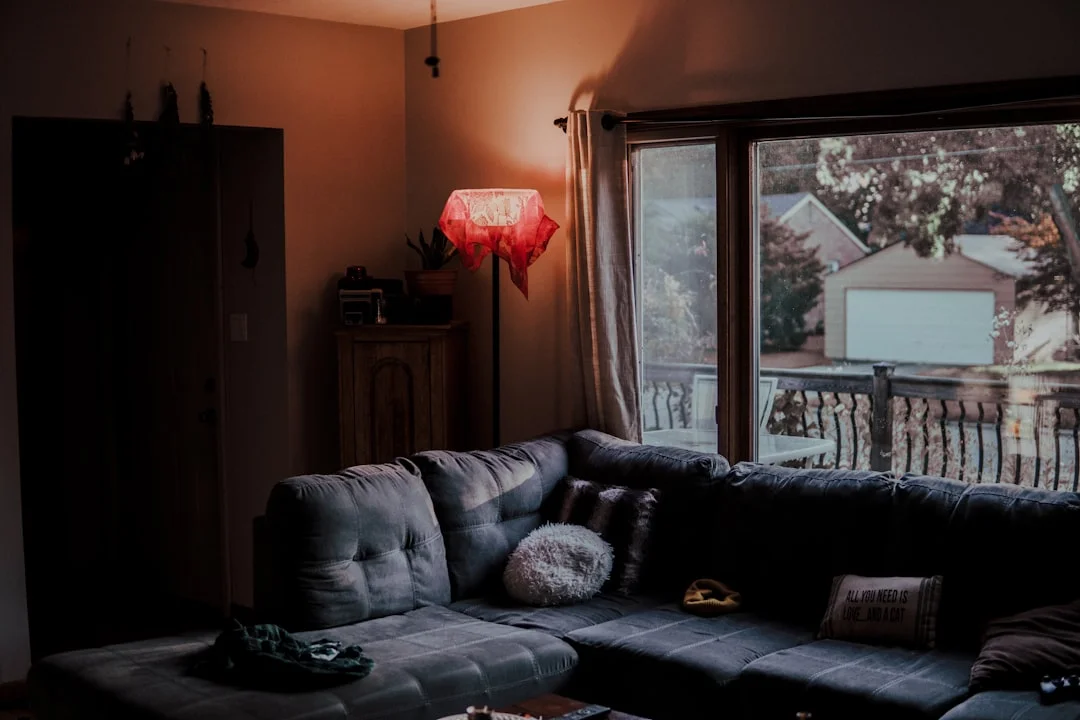
In Feng Shui, social energy is closely tied to the flow and quality of Qi, or life force energy, within a space. The living room, often called the "Ming Tang" or bright hall, is considered the area that governs reputation, relationships, and joy. When Qi flows smoothly and accumulates gently here, it fosters warmth, open communication, and a sense of welcome. Conversely, stagnant, chaotic, or draining energy can lead to awkward interactions, conflict, or a simple lack of desire to spend time together. This concept manifests through the physical and sensory environment. A room with a clear, unobstructed path for movement allows both people and energy to circulate freely. The placement of furniture dictates how occupants relate to one another, either encouraging face-to-face conversation or creating barriers. The elements present—through color, shape, and material—affect the emotional tone. For instance, a room dominated by harsh, angular furniture and cold, metallic surfaces may feel formal and inhibit relaxation, while a space with soft curves, warm textiles, and balanced lighting naturally invites people to linger and connect. The goal is to create a setting where energy supports rather than hinders human interaction.
Traditional Feng Shui Perspective
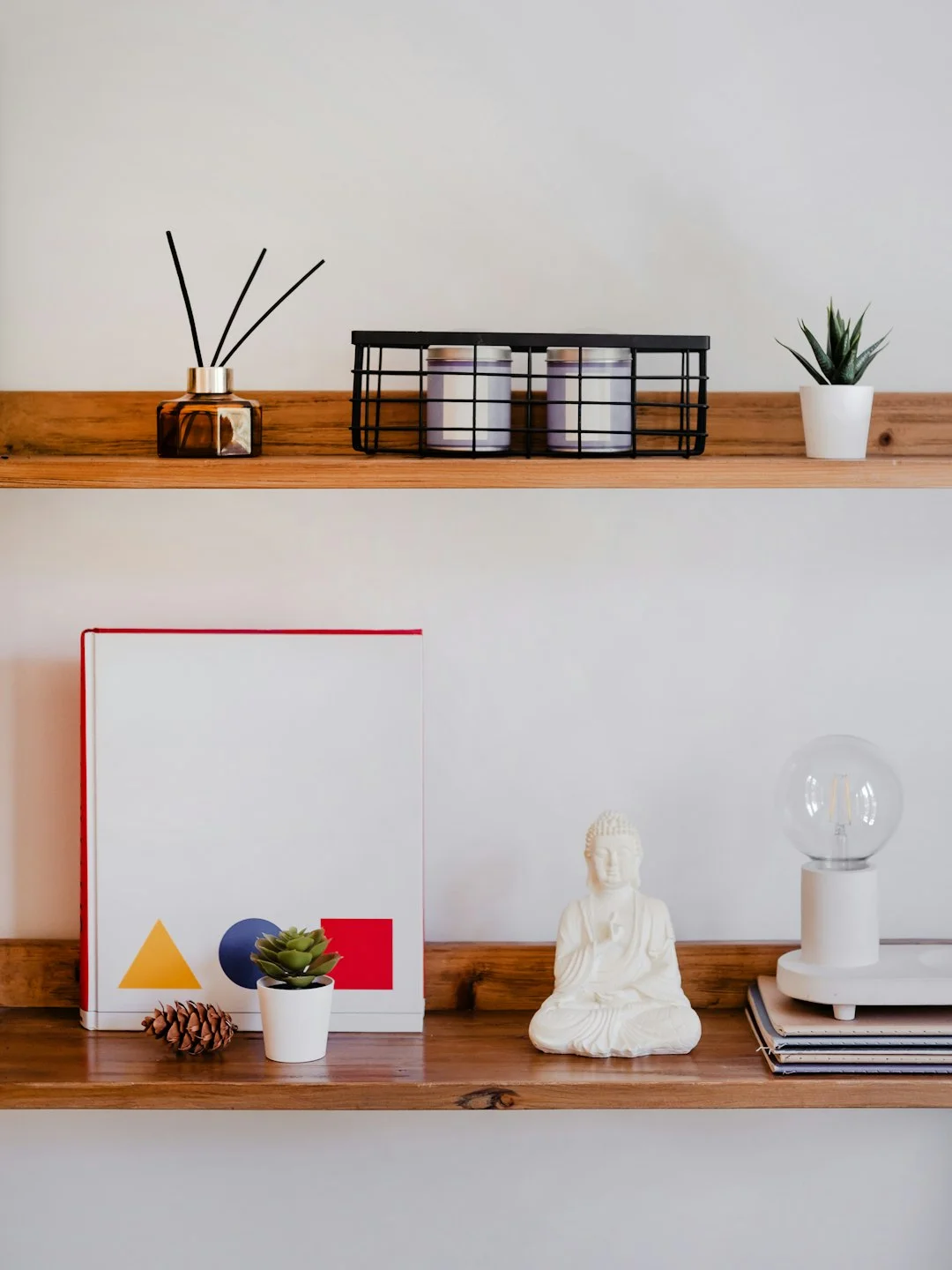
From a classical standpoint, optimizing the living room for social energy involves a multi-layered analysis balancing fundamental principles. The Yin-Yang balance is paramount. Social spaces require a harmonious blend: sufficient Yang energy for activity and engagement, tempered by enough Yin energy for comfort and receptivity. An overly Yang room, with excessive bright light, loud colors, and constant stimulation, can make guests feel agitated. An overly Yin room, too dark, quiet, and passive, may lead to lethargy and subdued conversation. The ideal is dynamic balance—ample, soft lighting (Yang) with cozy, deep seating (Yin); vibrant conversation areas (Yang) alongside a quiet reading nook (Yin). The Five Elements theory provides a framework for creating emotional harmony. Each element—Wood, Fire, Earth, Metal, Water—corresponds to specific qualities. A socially vibrant room benefits from a strong Earth element, which promotes stability, nurturing, and togetherness (represented by square shapes, earthy tones, and ceramic pieces). The Fire element brings joy, warmth, and recognition (candles, triangular shapes, red accents). These should be supported by the Wood element for growth and kindness (vertical lines, plants, green hues). The Metal and Water elements must be present but carefully moderated, as an excess of Metal can create coldness and criticism, while too much Water can lead to unpredictability. Qi flow and spatial harmony are assessed through the layout. The commanding position is crucial for key seating, especially the sofa. It should be placed against a solid wall, with a clear view of the room's entrance, allowing occupants to feel secure and in command of the space, which subconsciously relaxes them for social engagement. Doors and pathways should be clear of clutter to prevent Qi from rushing or becoming trapped. The shape of the room itself matters; irregular or missing corners can symbolically weaken the energy of related life areas, including relationships.
Modern Interpretation
Contemporary environmental psychology strongly echoes these ancient observations, validating the impact of spatial design on human psychology and social behavior. Feng Shui's principles can be understood as a prescriptive system for creating environments that positively influence mood and interaction. Research shows that spaces affect our cognitive and emotional states. A cluttered, disorganized room increases cortisol levels, inducing stress and making focused conversation difficult. Feng Shui's emphasis on decluttering directly addresses this, promoting mental clarity. The concept of the commanding position aligns with our innate need for safety and prospect; being able to see who enters a room reduces subconscious vigilance, freeing mental energy for social engagement. The influence on behavior is equally significant. Furniture arranged in intimate groupings, with chairs and sofas facing each other at a conversational distance, naturally prompts interaction. This is a practical application of facilitating Qi flow between people. Conversely, furniture lined up against walls or facing a dominant television creates a passive, broadcast-style dynamic. Lighting is another critical factor. Harsh overhead lighting can feel interrogative, while layered lighting—ambient, task, and accent—creates a flattering, comfortable atmosphere that encourages people to relax and open up. Ultimately, the modern interpretation focuses on intentionality. Applying Feng Shui is not about superstition, but about mindfully crafting a living room that supports your desired lifestyle. It asks you to consider how every object, color, and arrangement makes you and your guests feel. Does the space facilitate connection? Does it feel inviting the moment you enter? By designing for positive emotional and psychological responses, you directly cultivate the social energy you wish to experience.
Insights
- Position your primary seating against a solid wall with a clear view of the doorway to subconsciously instill a sense of security and openness in your guests.
- Integrate warm, earthy tones and soft, textured fabrics to activate the nurturing Earth element and make the space feel more grounded and welcoming.
- Ensure a clear and unobstructed walking path through the room to allow both people and positive energy to circulate freely without obstruction.
- Balance your lighting scheme by combining ambient floor lamps with focused task lighting to avoid harsh shadows and create a flattering, relaxed atmosphere.
- Incorporate living plants in healthy condition to introduce the vibrant Wood element, which symbolizes growth and fosters kindness in conversations.
Conclusion
Feng Shui provides a profound and systematic approach to designing a living room that actively promotes positive social energy. By moving beyond mere decoration to consider the flow of energy, the balance of elements, and the psychology of placement, we can transform a common area into a true social sanctuary. The principles encourage us to create spaces that are not only aesthetically pleasing but also functionally supportive of human connection, comfort, and joyful interaction. Whether viewed through an ancient philosophical lens or a modern psychological one, the outcome is the same: a living room that feels inviting, harmonious, and perfectly attuned to fostering meaningful moments with others.