The spaces we inhabit are far more than passive backdrops to our lives; they are dynamic fields that influence our emotions, interactions, and connections. The ancient Chinese art of Feng Shui posits that the arrangement and quality of our environment directly affect the flow of vital energy, or Qi, which in turn shapes our experiences. When applied to the realm of personal connections, Feng Shui offers a unique lens through which to view our living spaces as active participants in our relational dynamics. This article explores whether and how the principles of spatial harmony, energy flow, and elemental balance can be harnessed to foster healthier, more supportive relationships.
Core Concept
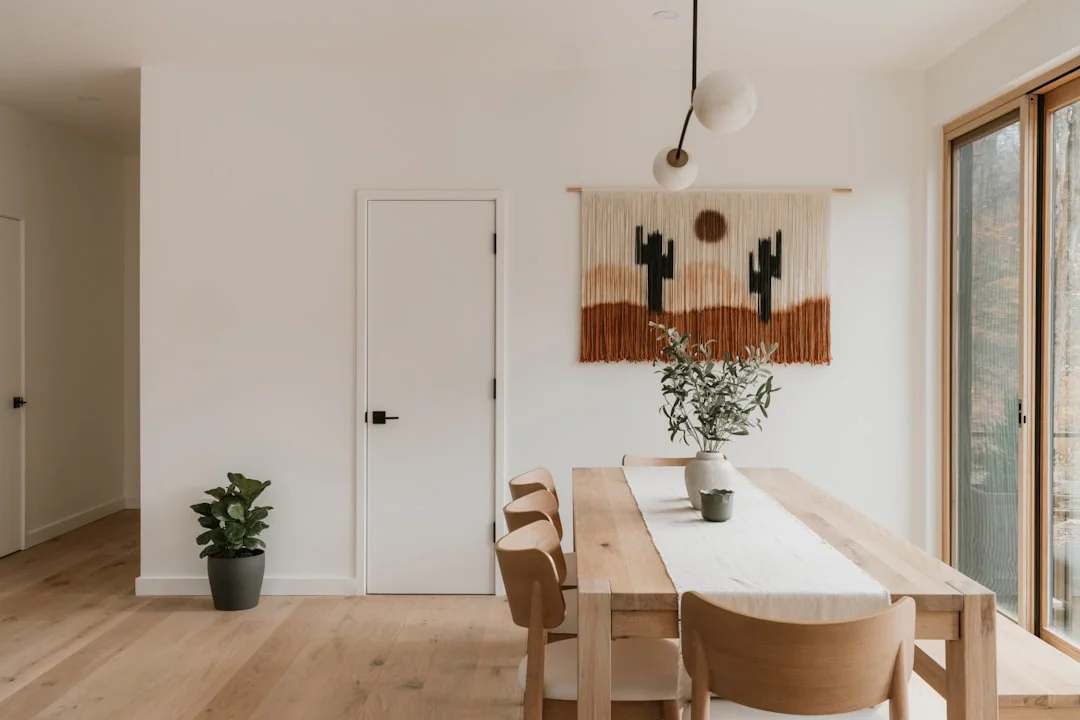
At its heart, Feng Shui for relationships is about creating a home environment that supports partnership, communication, and mutual respect. It operates on the premise that the energy patterns within a space can either facilitate harmonious interaction or create friction and misunderstanding. The central concept is that the flow of Qi should be smooth and unobstructed, particularly in areas associated with connection and intimacy. A key space in this context is the bedroom, which represents the core of intimate partnerships. Its layout, colors, and objects directly influence the quality of rest and the nature of interactions between occupants. Similarly, shared spaces like the living room or dining area, where families gather, are seen as crucibles for social Qi. The placement of furniture, the balance of light and dark, and the presence of symbolic objects all contribute to an atmosphere that either encourages open dialogue and togetherness or promotes isolation and conflict. For instance, a bed positioned directly in line with a door may subconsciously create a feeling of vulnerability, disrupting restful intimacy.
Traditional Feng Shui Perspective
Classical Feng Shui provides a detailed framework for analyzing a space's impact on relationships through several interconnected theories. The principle of Yin-Yang balance is paramount. A relationship-oriented space should avoid extremes. A room that is overly Yang—too bright, too cluttered, too loud—can lead to irritability and short tempers. Conversely, a space that is excessively Yin—too dark, too cold, too stagnant—can foster lethargy, withdrawal, and poor communication. The ideal is a balanced blend: soft lighting (Yin) with adequate brightness for reading (Yang), or warm textures balanced with clean, open spaces. The Five Elements theory (Wood, Fire, Earth, Metal, Water) is used to diagnose and correct relational disharmony. Each element governs specific qualities. For example, the Wood element, associated with growth and kindness, can be nurtured with vertical shapes and healthy plants to encourage supportive growth in a relationship. An excess of the Fire element (too much red, triangular shapes, excessive electronics) might fuel arguments and impatience. The goal is to create a cycle where the elements support one another, such as using Earth tones (Earth) to gently moderate an overly fiery atmosphere, promoting stability and nurturing. Qi flow and spatial harmony are assessed through the arrangement of furniture and architecture. The commanding position, a fundamental rule, suggests that key pieces like the bed or sofa should be placed diagonally opposite the door, with a solid wall behind and a clear view of the entrance. This placement allows occupants to feel secure and in command of their space, reducing subconscious anxiety and fostering a sense of safety within the relationship. Sharp corners pointing at seating areas (known as "poison arrows") or long, straight corridors shooting Qi too quickly through a home are believed to create tension and accelerate conflict.
Modern Interpretation
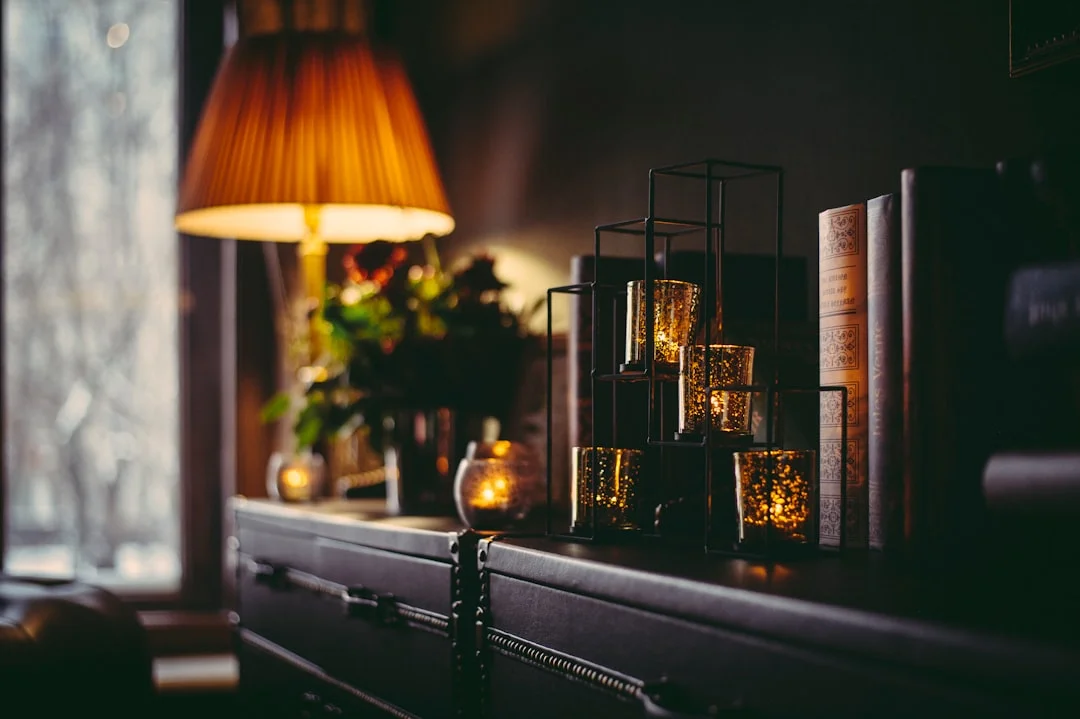
Through the lens of environmental psychology and contemporary design, the wisdom of Feng Shui finds a compelling translation. Modern interpretation focuses less on mystical energy and more on the demonstrable impact of spatial design on human psychology and behavior, which directly affects relational health. Environmental psychology confirms that our surroundings significantly influence our mood and social interactions. A cluttered, chaotic entryway can subconsciously stress all inhabitants as they enter the home, setting a negative tone for interactions. A dining table buried under paperwork ceases to be a place for connection. Feng Shui's push for decluttering and clear pathways aligns with the psychological need for order and cognitive ease, reducing background stress that often erupts in interpersonal friction. The impact on mood and behavior is clear in the bedroom example. Modern research on sleep hygiene underscores the importance of a restful, technology-free, and emotionally calming bedroom for mental well-being. A Feng Shui approach that advocates for a balanced, symmetrical layout, soothing colors, and the removal of work-related items directly supports better sleep and lower stress levels, creating a more patient and emotionally available partner. Ultimately, the practical meaning for modern life is about intentionality. Applying these principles encourages individuals and families to consciously design their homes to reflect and support their relational goals. It transforms a space from a mere container into an active tool for cultivating the life one wishes to lead with others, using universal principles of harmony, balance, and symbolic resonance to create an environment that nurtures connection.
Insights
- Position your bed or primary sofa so it has a clear view of the room's entrance while being backed by a solid wall to foster a fundamental sense of security and presence within your shared spaces.
- Incorporate pairs of objects, such as matching bedside tables or two candles, in relationship areas to symbolically reinforce the energy of partnership and equality between inhabitants.
- Remove electronic devices and work-related clutter from the bedroom to clearly demarcate a sanctuary for rest and intimacy, separate from the stresses of daily life.
- Ensure pathways and hallways within your home are well-lit and free of obstructions to allow energy and movement to flow smoothly, reducing metaphorical and literal friction.
- Introduce the nurturing Earth element through soft, sandy, or light yellow tones in shared spaces to promote stability, honesty, and a supportive atmosphere for all conversations.
Conclusion
Feng Shui does not offer a magical fix for complex human relationships, but it provides a profound and systematic way to consider how our physical environment either supports or undermines our relational well-being. By addressing the flow of energy, the balance of elements, and the symbolism of our arrangements, we engage in a form of environmental mindfulness. The ultimate goal is to create a home that is not just aesthetically pleasing, but psychologically and energetically aligned to encourage open communication, mutual respect, and enduring connection. In this sense, Feng Shui serves as a timeless guide for shaping our spaces to lovingly shape our lives together.