The quest for creativity is a universal human endeavor, sought by artists, entrepreneurs, and problem-solvers alike. While creativity is often viewed as an internal, cognitive process, the environments in which we work and live play a profound, often subconscious, role in either nurturing or stifling our imaginative capacities. Feng Shui, the ancient Chinese art of placement, offers a sophisticated framework for designing spaces that harmonize with natural energy flows. This article explores how applying Feng Shui principles can systematically cultivate an environment that supports and enhances creative thinking, moving beyond superstition to examine the tangible relationship between space and the mind's creative potential.
Core Concept
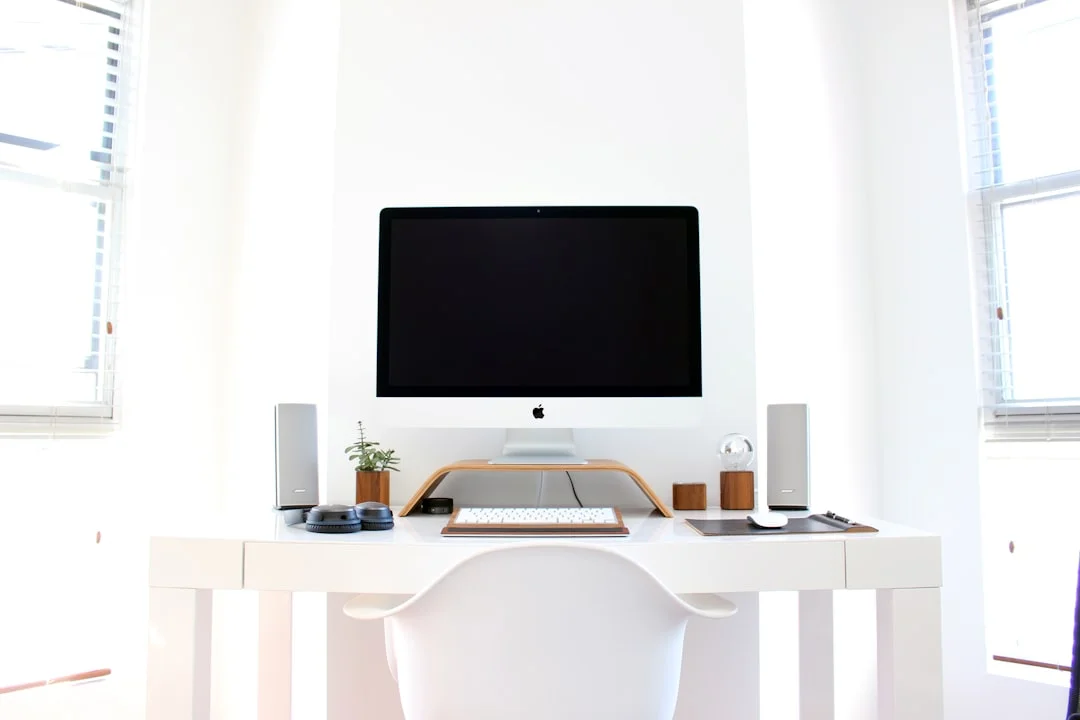
At its heart, Feng Shui is the study of how the arrangement of our surroundings influences the flow of Qi, or life force energy. A space with good Feng Shui allows Qi to move smoothly and beneficially, positively affecting the occupants' health, mood, and mental clarity. In the context of creativity, the goal is to design an environment that avoids stagnant or chaotic energy, instead fostering a dynamic yet balanced flow that stimulates the mind. A creative space in Feng Shui represents the Wood element, which governs growth, expansion, and new beginnings. It also requires a healthy presence of the Fire element, which symbolizes inspiration, passion, and visibility. The layout, colors, materials, and objects within a room all contribute to this energetic ecosystem. For example, a writer's studio with a clear desk facing a pleasant view encourages a flow of ideas, while a cluttered, dimly lit back office with blocked pathways can lead to mental blocks and frustration. Real-life environments that often embody these principles include artist lofts with high ceilings and ample natural light, or modern innovation hubs designed with open, flexible spaces and living plants.
Traditional Feng Shui Perspective
From a classical standpoint, enhancing creativity through Feng Shui involves a deliberate application of its core theories to shape the energetic quality of a space. The principle of Yin-Yang balance is crucial. Creativity requires a balance between Yin (receptive, quiet, contemplative) and Yang (active, expressive, bright) energies. A space that is overly Yang—too bright, loud, and chaotic—can lead to burnout and scattered thoughts. Conversely, a space that is overly Yin—too dark, quiet, and still—can induce lethargy and lack of motivation. The ideal creative environment has zones for both: a well-lit desk for active work (Yang) and a comfortable chair in a softer-lit corner for reflection and incubation (Yin). The Five Elements theory provides a symbolic language for crafting this balance. The foundational element for creativity is Wood, representing growth and upward movement. This can be introduced through vertical shapes, columnar furniture, or the color green. Wood feeds the Fire element (inspiration), which can be nurtured with touches of red, triangular shapes, or actual lighting. However, an uncontrolled Fire can burn out Wood, so it must be balanced by the Earth element (stability), represented by square shapes, earthy tones, or ceramic objects. The Metal element (precision, editing) and Water element (wisdom, flow) also play roles in refining and carrying creative ideas to completion. Qi flow and spatial harmony are assessed through the arrangement of furniture and architecture. The commanding position, where one can see the door without being directly in line with it, is essential for a creative work desk, providing a sense of security and mental command. Sharp corners pointing at seating areas, known as "poison arrows," create cutting Qi that causes subconscious stress and hinders free thought. Finally, symbolism matters: a layout that feels expansive and open, perhaps with a view or artwork depicting horizons, encourages the mind to think broadly and without limitation.
Modern Interpretation
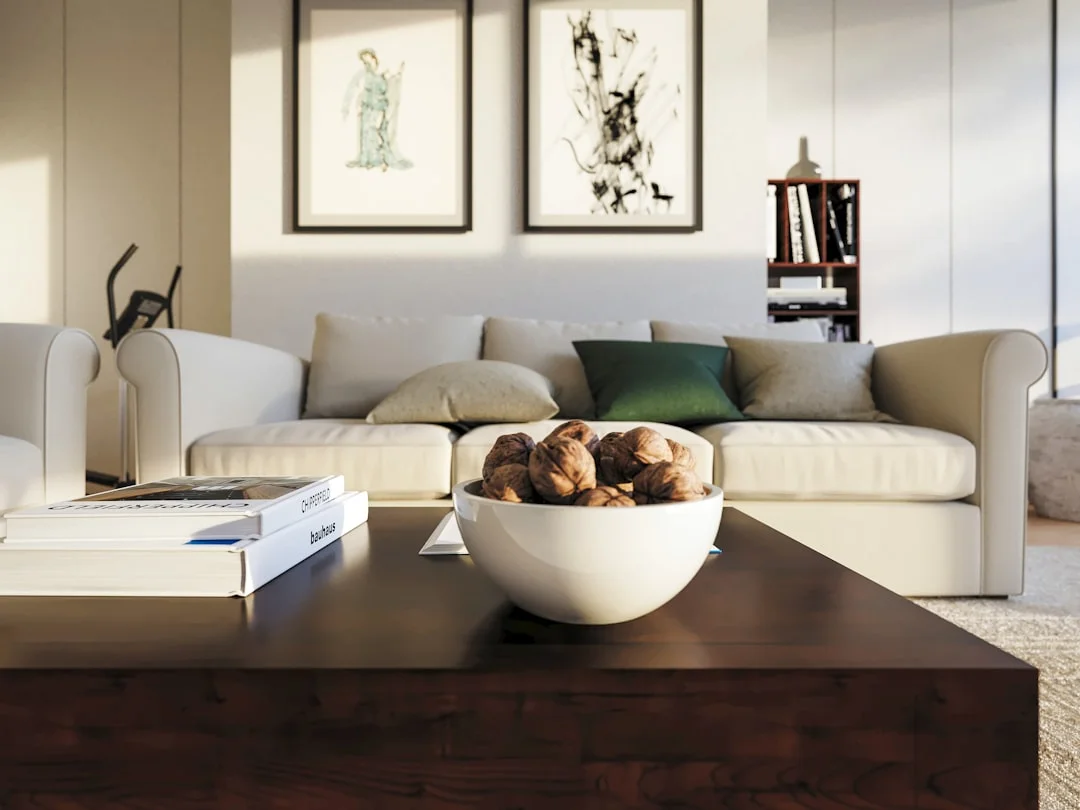
Contemporary environmental psychology and design thinking largely validate the intuitive wisdom of Feng Shui, providing a scientific lens through which to understand its effects. The modern interpretation focuses on how spatial design directly impacts cognitive function, emotional state, and behavior. Research in environmental psychology shows that factors like lighting, air quality, and spatial organization have measurable effects on mood and cognitive performance. Natural light regulates circadian rhythms, boosting alertness and reducing depression, which are foundational for creative work. Good air quality and ventilation ensure adequate oxygen flow to the brain, preventing fatigue. Feng Shui's emphasis on clean, clutter-free spaces aligns with the psychological understanding that physical clutter competes for our attentional resources, leaving less mental bandwidth for original thought. The impact on productivity and lifestyle is clear. A well-designed space based on harmonious principles reduces environmental stressors, lowering cortisol levels. When we are less stressed, the brain's prefrontal cortex—responsible for higher-order thinking and imagination—functions more effectively. Furthermore, incorporating natural elements (biophilia), a key aspect of the Wood element, has been proven to reduce stress, enhance concentration, and improve creative problem-solving. In practical terms, this means a creative professional is more likely to enter a state of "flow" in a space that feels intuitively supportive, organized, and connected to nature, leading to greater output and satisfaction.
Insights
- Positioning your primary work desk so you have a solid wall behind you and a clear view of the room's entrance can subconsciously increase your sense of security and mental focus.
- Introducing living plants and the color green in your creative workspace actively stimulates the Wood element, fostering a psychological sense of growth and new possibilities.
- Ensure your creative environment includes a balance of task lighting for detailed work and softer, ambient lighting to allow for periods of relaxed contemplation and idea incubation.
- Regularly decluttering your workspace and organizing tools removes physical obstacles that metaphorically and energetically block the smooth flow of ideas and inspiration.
- Incorporate a small water feature or imagery of gentle water flow in the northern area of your space to symbolically enhance the energy of wisdom and effortless circulation of thoughts.
Conclusion
Feng Shui offers more than a set of decorative rules; it provides a holistic, time-tested framework for intentionally designing environments that support specific human aspirations. In the pursuit of creativity, it teaches us to curate a balanced ecosystem of energy within our spaces. By mindfully applying principles of Qi flow, Yin-Yang balance, and the Five Elements, we can create surroundings that reduce cognitive friction, inspire the mind, and provide the stable foundation from which innovation can spring. Ultimately, Feng Shui does not magically bestow creativity, but it expertly cultivates the fertile ground in which our innate creative seeds are most likely to sprout, grow, and flourish.