In an age where anxiety is a prevalent challenge, we often seek solutions in therapy, medication, or lifestyle changes. Yet, we may overlook the profound influence of our immediate surroundings. The ancient Chinese art of Feng Shui offers a unique lens through which to view our living and working spaces, not as inert containers, but as dynamic fields of energy that interact with our own. This practice, rooted in observation and philosophy, suggests that the arrangement and quality of our environment can either support or disrupt our mental equilibrium. By intentionally shaping space, we may cultivate an atmosphere that actively soothes the nervous system and promotes a sense of calm and security.
Core Concept
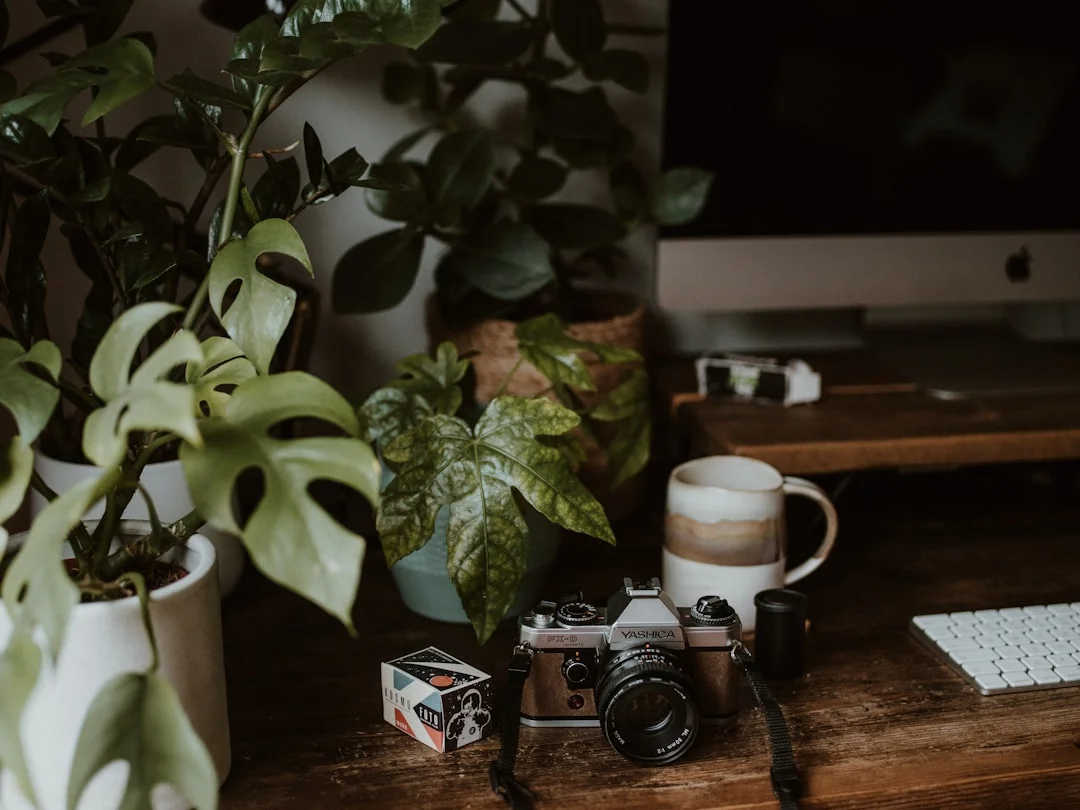
At its heart, Feng Shui is the study of how environmental forces, known as Qi, move through and inhabit a space. Qi is often translated as "life force" or "energy," and its smooth, balanced flow is considered essential for wellbeing. A space with good Feng Shui allows Qi to meander gently, nourishing the occupants. Conversely, blocked, stagnant, or overly rushed Qi can create feelings of unease, restlessness, and anxiety. This concept moves beyond mere decoration to consider the fundamental relationship between a person and their habitat. What a space represents in Feng Shui is directly tied to its function, layout, and the elements within it. A cluttered, dark hallway represents blocked potential and hidden worries, while an open, bright living room with a clear view of the entrance represents welcome and security. The influence on energy is practical: sharp corners pointing at a seating area create "poison arrows" or Sha Qi, a harsh energy that can subconsciously put one on edge. Real-life examples are abundant. Consider the anxiety one might feel in a cramped, windowless office with papers piled high, versus the relative calm in a tidy room with natural light, a comfortable chair, and a view of a plant. Feng Shui provides a systematic framework to understand why these environments feel so different.
Traditional Feng Shui Perspective
The classical Feng Shui approach to creating a serene environment rests on several interconnected pillars. The first is the dynamic balance of Yin and Yang. Yin qualities—dark, cool, soft, still—and Yang qualities—bright, warm, hard, active—must be harmonized. An overly Yang space (excessive bright light, loud colors, sharp angles) can overstimulate and exacerbate anxiety. An excessively Yin space (too dark, cold, and quiet) can lead to lethargy and low mood. The goal is a blend: soft lighting (Yin) with adequate brightness (Yang), or smooth curves (Yin) balanced with stable, square furniture (Yang). The Five Elements theory—Wood, Fire, Earth, Metal, Water—provides a language for this balance. Each element correlates with shapes, colors, and materials. Anxiety often relates to an imbalance. A deficit of the grounding Earth element (represented by square shapes, yellows, and browns) or an excess of the volatile Fire element (represented by triangles, reds, and excessive lighting) can create instability. Introducing the calming Water element (represented by wavy shapes, black, deep blues, and mirrors) or the stabilizing Metal element (represented by circles, whites, and metals) can restore equilibrium. The interaction is cyclical; Water nourishes Wood, which feeds Fire, and so on, creating a supportive loop of energy. Qi flow and spatial harmony are paramount. The ancient Bagua map is a tool used to overlay a space with nine life areas, such as career, relationships, and health. The center of the space is associated with overall health and balance. Keeping this area clear, clean, and lightly lit is believed to stabilize the Qi for the entire home. Furthermore, the concept of "commanding position" is crucial for reducing anxiety. This principle states that key furniture, especially the bed and desk, should be placed diagonally opposite and facing the door, without being in direct line with it. This provides a subconscious sense of security and control, as one can see opportunities (the door) approaching without being vulnerable.
Modern Interpretation
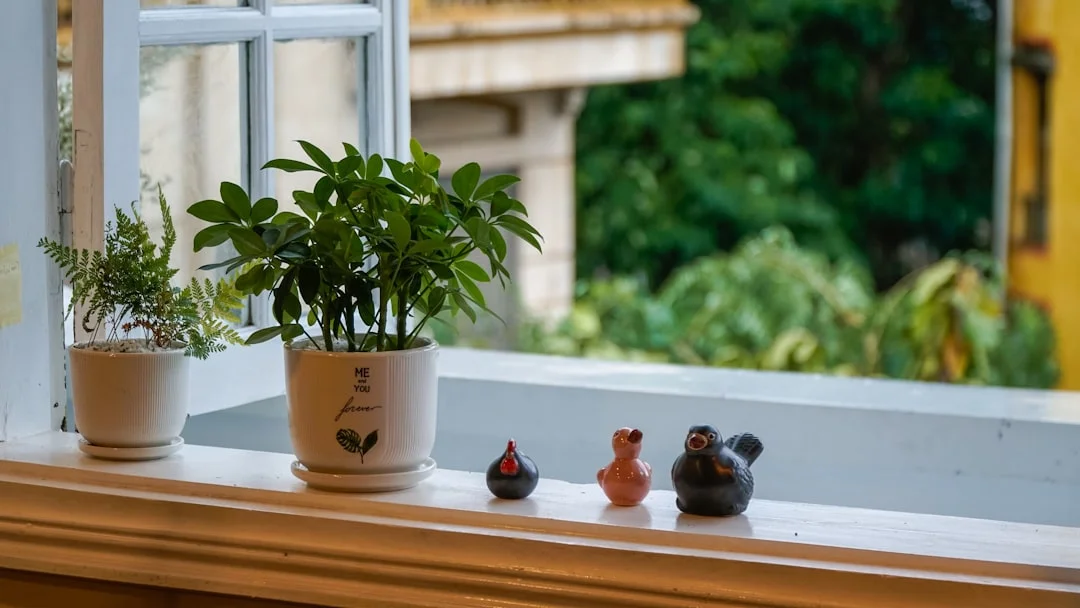
From the viewpoint of environmental psychology, Feng Shui principles align remarkably well with modern understandings of how space affects the human mind. The arrangement it advocates directly impacts mood and behavior. A cluttered environment, which Feng Shui warns against, is scientifically linked to increased cortisol levels, the stress hormone. The emphasis on natural light aligns with research on its role in regulating circadian rhythms and serotonin production, a key neurotransmitter for mood stability. The impact on productivity, stress, and lifestyle is tangible. The "commanding position" for a desk reduces the startle response and allows for focused attention. The use of plants (Wood element) improves air quality and provides biophilic benefits, reducing mental fatigue. Creating clear pathways through a room (smooth Qi flow) minimizes frustration and the cognitive load of navigating obstacles. The practical, real-life meaning is that Feng Shui offers a set of actionable design principles for intentional living. It is less about superstition and more about creating environments that are inherently supportive, reducing environmental stressors so the mind and body can relax. It empowers individuals to become active participants in shaping their surroundings for mental well-being.
Insights
- Position your bed or desk so you have a clear view of the room's entrance to cultivate a subconscious sense of security and reduce feelings of vulnerability.
- Incorporate the Water element through a small tabletop fountain or imagery of gentle waves to introduce calming, flowing energy into a tense environment.
- Ensure your primary seating area is backed by a solid wall rather than a window or empty space to provide psychological support and stability.
- Regularly declutter your home's central area and hallway to symbolize and encourage the clear, unobstructed movement of energy and ideas.
- Balance bright, stimulating Yang colors with soft, restful Yin textures like rugs and curtains to create an atmosphere that is both energizing and soothing.
Conclusion
Feng Shui, when understood as a system of environmental harmony rather than a mystical doctrine, offers profound and practical strategies for mitigating anxiety. It connects the external landscape of our homes and offices with our internal emotional landscape, suggesting that by curating the former, we can positively influence the latter. Its core tenets—promoting balanced energy flow, ensuring psychological security through furniture placement, and creating elemental harmony—resonate with both ancient wisdom and contemporary environmental psychology. While not a substitute for professional mental health care, applying these principles can transform a space from a passive backdrop into an active sanctuary, a daily ally in the pursuit of peace and groundedness.