For centuries, the ancient Chinese practice of Feng Shui has guided the arrangement of living spaces to promote harmony, health, and prosperity. At its heart, it is not a system of superstition but a sophisticated study of environmental design and energy flow. In our modern quest for well-being, many wonder if these time-honored principles can translate into tangible benefits for contemporary life. This exploration delves into how the intentional organization of space, informed by Feng Shui, can influence the energy within a home and, by extension, the emotional and psychological state of its inhabitants. By understanding the interaction between our environment and our inner world, we can consciously shape our homes to be true sanctuaries of happiness.
Core Concept
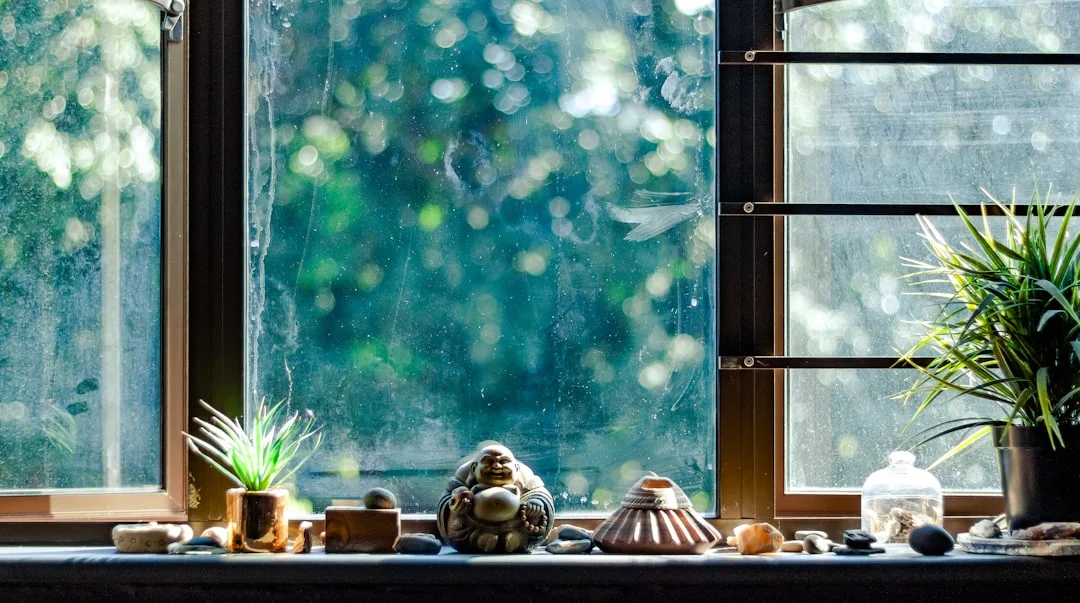
Feng Shui, which translates to "wind and water," is fundamentally the art of placement. It operates on the principle that our living and working environments are alive with an invisible energy known as Qi. This energy can flow smoothly or become stagnant, and its quality directly impacts our health, relationships, and fortune. The core objective is to arrange physical space—from furniture placement to architectural design—to optimize the flow of Qi, creating a supportive and nourishing atmosphere. A key concept is the "commanding position." This refers to the placement of important furniture, such as your bed or desk, in a spot that allows you to see the door without being directly in line with it. This position provides a sense of security and control, reducing subconscious anxiety. Another foundational idea is the clearing of clutter. Clutter is seen as stagnant Qi, physically blocking pathways and mentally creating distraction and heaviness. A simple real-life example is a home's entryway. A clear, welcoming, and well-lit entry allows Qi to enter gently and circulate, setting a positive tone for the entire house, whereas a cramped, dark, or cluttered entry can make coming home feel like a chore.
Traditional Feng Shui Perspective
From a classical standpoint, creating a harmonious home is a delicate dance of balancing fundamental forces. The interplay of Yin and Yang is crucial. Yin represents receptive, quiet, and dark qualities, while Yang embodies active, bright, and stimulating energy. A balanced home needs both. A bedroom, a place for rest, should lean toward Yin with softer lighting, calming colors, and minimal electronic devices. A living room meant for socializing can embrace more Yang energy with brighter light and active conversation areas. The Five Elements theory—Wood, Fire, Earth, Metal, and Water—provides a symbolic language for creating balance. Each element corresponds to specific shapes, colors, and materials. A space overly dominated by one element can create imbalance. For instance, a room with excessive Fire elements (red color, triangular shapes, many electronics) might feel agitated and provoke conflict. Introducing the Water element (black or blue, wavy shapes, reflective surfaces) can metaphorically "cool" the space, restoring equilibrium. The flow of Qi is meticulously analyzed through tools like the Bagua map, an energy grid superimposed over a floor plan. Each sector of the Bagua corresponds to a life area, such as wealth, relationships, or career. The health of that sector—its cleanliness, element, and function—is believed to influence the corresponding aspect of the residents' lives, encouraging a holistic approach to spatial harmony.
Modern Interpretation
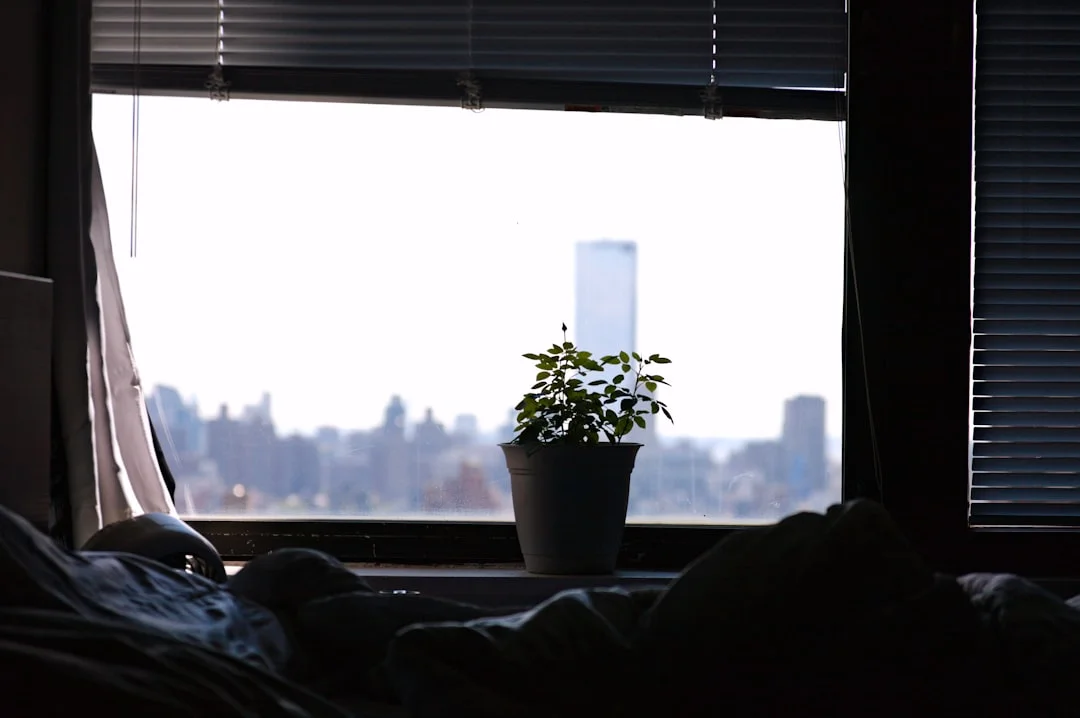
Contemporary perspectives often bridge Feng Shui principles with environmental psychology and design ergonomics. The modern interpretation focuses less on mystical energy and more on the demonstrable impact of our surroundings on our cognitive function, emotional state, and behavior. What Feng Shui calls "Qi flow," modern science might describe as air circulation, sight lines, and traffic patterns. A cluttered space, for example, is not just bad Feng Shui; research shows it increases cortisol levels, reduces focus, and contributes to procrastination. The emphasis on natural light and plants aligns with biophilic design, which confirms that access to nature and sunlight boosts mood, improves sleep, and enhances productivity. The commanding position for a desk directly correlates with environmental psychology findings that a sense of security and a clear view of one's environment reduce stress and increase a person's ability to concentrate. The careful use of color psychology mirrors the Five Elements; we know that blue hues can be calming, while red can be stimulating. Therefore, creating a happier home through Feng Shui becomes an exercise in mindful design—arranging spaces to reduce subconscious stressors, promote safety, encourage positive social interaction, and support the specific activities intended for each room.
Insights
- Position your primary furniture to face the room's entrance, which cultivates a subconscious sense of security and control in your personal spaces.
- Regularly declutter your home's pathways and surfaces to prevent physical obstacles from creating mental stagnation and overwhelming feelings.
- Incorporate living plants and ensure access to natural light to invigorate your home's atmosphere and directly improve your psychological well-being.
- Balance active social areas with dedicated quiet zones in your floor plan to honor both energetic interaction and necessary personal restoration.
- Select colors and materials intentionally, using warm tones and wood in social spaces and cooler, softer textures in bedrooms for optimal emotional resonance.
Conclusion
Feng Shui offers a profound and time-tested framework for considering how our homes shape our lives. Whether one engages with its traditional symbolic depth or its modern, psychologically-grounded interpretations, the core message remains powerful: our environments are not passive backdrops but active participants in our well-being. By applying principles that promote clear flow, intentional balance, and mindful design, we move beyond mere decoration to create spaces that actively nurture us. A happier home, therefore, may not be found in any single lucky charm or direction, but in the conscious and thoughtful cultivation of a living environment that supports, comforts, and inspires its inhabitants every day.