Dreams featuring spider webs are among the most evocative and symbolically rich experiences one can have in the realm of sleep. Unlike the immediate fear a spider might provoke, the web itself presents a more complex and often paradoxical image. It can appear as a delicate, intricate masterpiece or a sticky, entrapping prison. Interpreting such a dream requires moving beyond a simple positive or negative label and delving into the specific context, your emotions within the dream, and the universal symbolism of creation, connection, and constraint. This article will explore the multifaceted meanings of spider web dreams through traditional, psychological, and modern lenses.
Core Concept
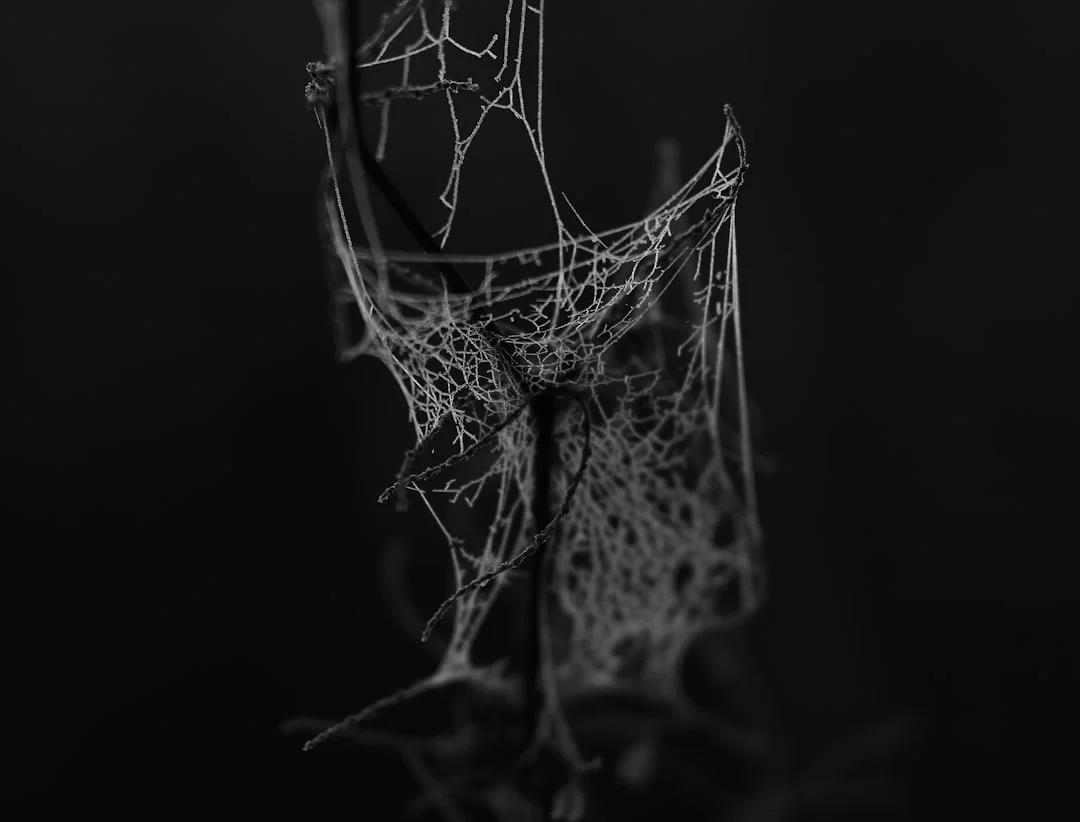
At its core, a spider web in a dream is a powerful symbol of interconnectedness and the structures we build or find ourselves within. The spider, often absent in these dreams, is the architect, while the web is the creation—the visible manifestation of effort, strategy, and patience. Dreaming of a web can directly reflect your perception of a situation in your waking life. Are you the weaver, carefully constructing a plan, a network, or a project? Or are you the one caught, feeling entangled by responsibilities, a complicated relationship, or a web of lies? The condition and location of the web are crucial. A glistening, perfect web in a garden might symbolize a beautifully balanced life or a creative endeavor. A dusty, broken web in a corner could point to neglected connections or outdated plans. Simply walking through a web and feeling the sticky strands on your face often represents an unexpected annoyance or a minor entanglement you've stumbled into.
Traditional Meaning
From a traditional and cultural perspective, spider webs carry profound symbolic weight, often tied to concepts of fate, industry, and cosmic order. In many ancient traditions, the spider web is seen as a symbol of the interconnectedness of all life and the delicate, invisible threads of destiny. The web resembles a mandala or a circular map, representing the universe itself. This aligns with the concept of Yin-Yang balance, where the web embodies both passive and active principles. Its stillness and receptivity (Yin) await the prey, while its strength and strategic design (Yang) ensure survival. The act of weaving is active and creative, while the finished web is a passive trap. Considering associations with the Five Elements, the spider web is a fascinating blend. Its origin is from the spider's body (relating to organic life and thus the Wood element, which signifies growth and expansion). Its silken threads have a watery, fluid quality before solidifying (Water element, representing flow and adaptability). It is designed to capture and consume (a Fire element action of transformation and consumption). It is often found in dusty, earthy corners (Earth element, for stability and the material world). Finally, its intricate, almost mathematical pattern can be linked to the Metal element's qualities of precision, structure, and refinement. Culturally, interpretations vary but often center on industry and fate. In some Native American beliefs, the spider is a grandmother figure who wove the world into existence, making the web a symbol of creation. In European folklore, webs can be associated with cunning traps or, conversely, with good luck (as in the story of Robert the Bruce). In various dream dictionaries, a clean web signifies reward for hard work, while a torn web warns of deceit or failed plans.
Modern Interpretation
Modern dream analysis, heavily influenced by psychology, views the spider web as a reflection of the dreamer's subconscious mind mapping their internal and external worlds. From a psychological perspective, pioneered by thinkers like Carl Jung, the web can represent the dreamer's own psyche or personal network. The center of the web might symbolize the conscious ego, with the radiating threads representing connections to different aspects of the self (memories, talents, repressed thoughts) or to other people. Dreaming of being caught in a web often points to feelings of being trapped by your own thoughts, anxieties, or behavioral patterns. You may feel ensnared in a situation not by external force, but by the cumulative effect of your own choices and perceptions. The subconscious mind uses the web to illustrate systems of dependency and support. Are you relying on a network that feels strong and secure, or fragile and unstable? A dream of admiring a web might indicate you are recognizing the complex, beautiful system of your own life. Conversely, frantically tearing at a web suggests a desperate desire for freedom from a stifling situation, perhaps a job, a relationship, or a mental habit. In daily life, common interpretations include seeing the web as a symbol of the internet and social media—a vast, connecting network that can also be a trap of comparison, misinformation, or wasted time. It can also represent the "web" of office politics, family dynamics, or legal bureaucracy.
Insights
- If you dream of weaving a web yourself, it suggests you are consciously building a network, developing a complex skill, or strategically navigating a personal or professional challenge.
- Dreaming of being hopelessly stuck in a massive, sticky web often reflects deep-seated anxiety about a situation where you feel powerless and unable to see a clear path forward.
- Observing a spider web glistening with morning dew symbolizes a moment of clarity where you can see the delicate beauty and precise connections within your life's circumstances.
- A dream where you are cleaning away old, dusty cobwebs indicates a subconscious drive to clear out mental clutter, release past grievances, or revitalize a neglected area of your life.
- Seeing a web break or be destroyed in your dream can represent the sudden collapse of a plan or relationship, but also the potential for liberation from a restrictive situation.
Conclusion
Dreaming of spider webs ultimately invites introspection about the structures that define your existence. It is a symbol that masterfully combines themes of artistry and entrapment, connection and isolation, fate and free will. The meaning is not fixed but fluid, changing with the dream's context and the dreamer's emotional response. By examining whether you are the weaver, the observer, or the captured, you gain valuable insight into how you perceive your own agency and interconnectedness. Rather than a portent of good or bad luck, such a dream serves as a mirror to your subconscious, reflecting your current relationship with the intricate webs of your own making and those in which you find yourself.